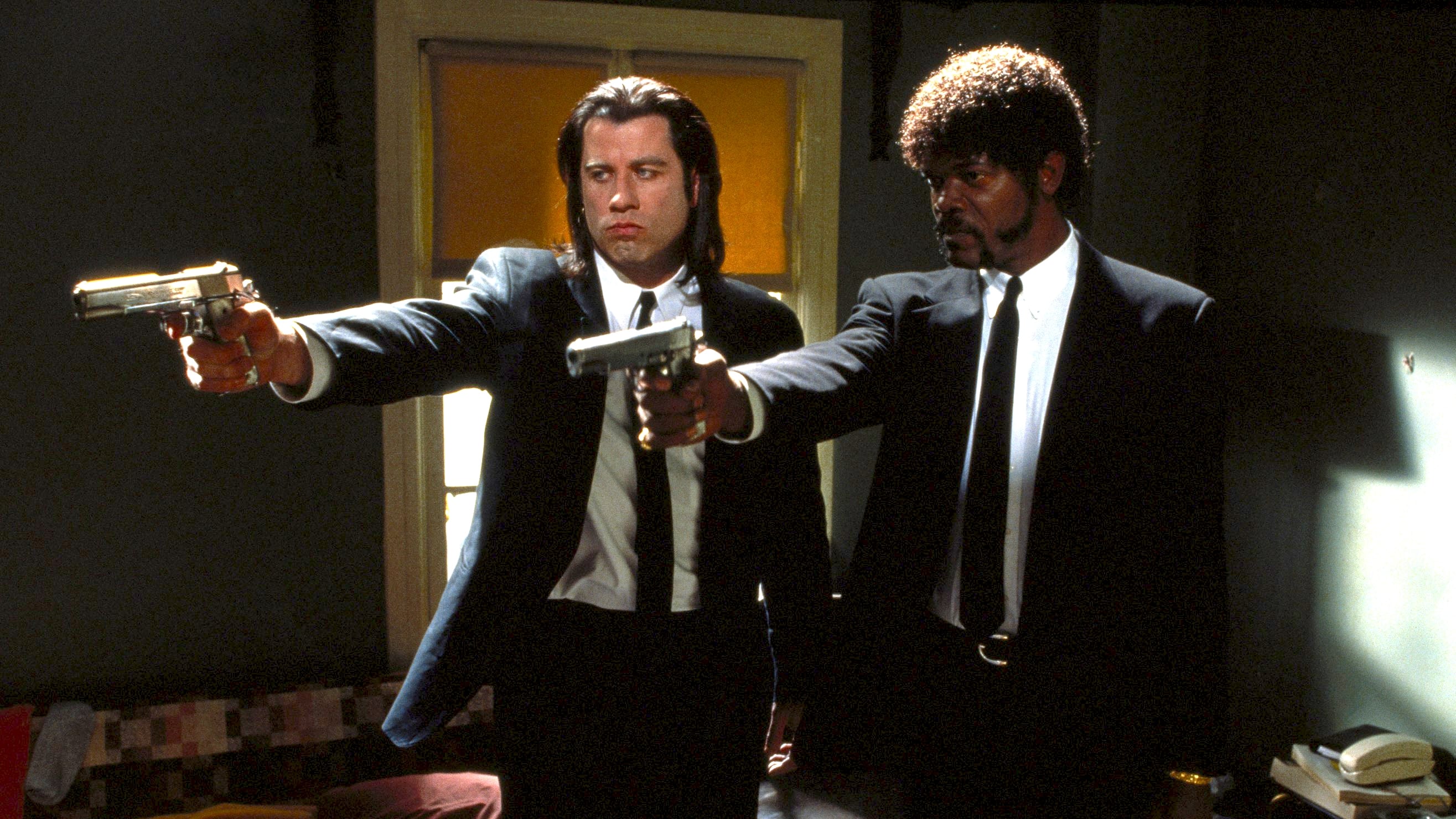
“You won’t know the facts until you’ve seen the fiction.”
The Mid-Nineties Independent Landscape and Narrative Rupture
When Quentin Tarantino released Pulp Fiction in September 1994, American feature filmmaking was traversing an inflection point. The early 1990s witnessed the crystallization of independent cinema as an artistic and structural counterweight to corporate Hollywood formulas. Distributed with the provocative tagline “You won’t know the facts until you’ve seen the fiction,” the film arrived as an ambitious, 154-minute sprawling crime caper that defied conventional studio discipline. Tarantino, functioning as both solo writer and director, synthesized genre memory, lowbrow pulp heritage, and classical cinematic grammar into a structural experiment that reshaped modern narrative storytelling.
Rather than treating genre as a rigid mold, the production context of 1994 permitted an audacious blend of crime, thriller, and dark comedy. Tarantino drew from mid-century paperbacks, hardboiled detective tropes, and European art cinema, particularly the playful formal disruptions of the French New Wave. In doing so, he constructed a multi-strand chronicle that treated underworld figures not as elevated mythical monsters or clinical sociopaths, but as working-class functionaries tethered to mundane domestic rituals. Running at over two and a half hours, the project claimed substantial narrative canvas to luxuriate in digressive conversational interludes, establishing a newly viable blueprint for idiosyncratic writer-directors operating within the expanding commercial borders of independent film.
Formal Craft: Direction, Cinematography, Editing, and Sonic Texture
The formal execution of Pulp Fiction remains an extraordinary lesson in deliberate stylistic balance. While widely remembered for its hyper-literate surface energy, the movie’s visual staging reveals classical discipline, patient camera movements, and an ingenious chronological architecture.
Direction and Mise-en-Scène
Tarantino’s directorial authority manifests through spatial geometry and tension-building. He deliberately stages high-stakes confrontations within mundane, brightly lit environments rather than atmospheric film-noir shadows. Diners, apartment hallways, suburban dwellings, and locker rooms are rendered with precise spatial geography. Tarantino frequently employs long takes where the camera remains unhurried, allowing characters to inhabit physical spaces and negotiate conversational power dynamics in unbroken time. This patience ensures that sudden pivots into violence hit with disorienting psychological force.
Cinematography: Palette and Precision
The cinematography of Pulp Fiction holds up remarkably well precisely because it rejects the drab, desaturated palette that frequently burdens crime thrillers. The visual texture relies on vivid, saturated colors, crisp contrast, and striking widescreen composition. The wide anamorphic framing is utilized with acute formal awareness: characters are frequently positioned at opposite edges of the widescreen canvas, creating an ideological or communicative chasm between them. Low-angle trunk shots, deep-focus compositions inside automobiles, and intense close-ups provide a distinct visual iconography. Rather than dating the film, the warm, Kodachrome-like primary colors preserve a timeless, stylized Los Angeles landscape that looks as sharp and deliberate on contemporary high-definition screens as it did on celluloid.
Temporal Architecture and Editing
The editing serves as the conceptual engine of the film. Unfurling across three distinct stories that ingeniously trip back and forth in time, the temporal restructuring is never arbitrary. Sequences overlap and loop back upon themselves, redefining causality. A character may perish in one sequence only to reemerge alive in another, forcing the audience to reevaluate actions in relation to consequence and fate rather than linear chronology. The cuts between tranquil, discursive dialogues and explosive kinetic disruptions are timed with musical precision, maintaining narrative momentum across the extensive 154-minute runtime.
Musical Score and Sonic Curation
In lieu of an orchestral score, the film relies on a curated tapestry of surf rock, soul, and rhythm-and-blues tracks. Music operates diegetically and non-diegetically, functioning as an emotional accelerant and a tonal stabilizer. The needle drops inject kinetic vitality into transitions while providing an ironic, cool counterpoint to grim or precarious situations, firmly rooting the aesthetic in mid-century Americana without falling into kitsch.
Embodied Pulp: Character Archetypes and Cadenced Dialogue
The endurance of Pulp Fiction is inseparable from its ensemble cast, who deliver stylized, rhythmic prose with naturalistic conviction. The film eschews generic archetypes in favor of deeply idiosyncratic human beings navigating extraordinary hazards.
John Travolta portrays the burger-loving hit man Vincent Vega with a laconic, weighted grace. Travolta’s physical performance captures a heroin-induced lethargy offset by unexpected agility and courtly professional manners. Whether navigating a tense evening escorting his boss’s wife or engaging in casual workplace banter, Travolta imbues Vincent with an understated tragic inertia—a man comfortable in routine, oblivious to the impending consequences of his lifestyle.
Counterbalancing Vincent is Samuel L. Jackson as his philosophical partner, Jules Winnfield. Jackson delivers a performance of volcanic charisma and razor-sharp cadences. Moving effortlessly between jovial intimidation, blistering anger, and introspective clarity, Jackson turns stylized monologue into poetic declamation. Jules represents the emotional spine of the piece, charting a trajectory from remorseless professional enforcer to an awakened seeker confronting the moral vacuum of his occupation.
Uma Thurman plays Mia Wallace, the drug-addled gangster’s moll, bringing an arresting mixture of cynical detachment, vulnerability, and magnetic charm. Thurman resists the one-dimensional victimhood or villainy common to crime tropes, turning Mia into an enigmatic figure whose precarious life atop a criminal empire is marked by profound isolation.
Bruce Willis anchors the central story of Butch Coolidge, a washed-up, aging boxer on the run. Willis strips away standard action-hero bravado to highlight Butch’s raw survival instincts, desperation, and stubborn pride. His performance grounds the more surreal and violent encounters in visceral physical stakes. Meanwhile, Ving Rhames commands an aura of calm, monolithic menace as crime boss Marsellus Wallace. Rhames gives Marsellus an authoritative weight that permeates the entire narrative world, making his eventual vulnerability all the more shocking and thematic.
Enduring Themes: Redemption, Chance, and the Mundane
Beneath the witty dialogue and flamboyant stylization, Pulp Fiction engages with profound philosophical preoccupations. At its core is the tension between divine intervention, blind chance, and personal moral agency.
The pivotal turning point centers on whether an improbable event is dismissed as a statistical fluke or accepted as a miraculous call to spiritual transformation. Jules chooses redemption, actively resolving to step away from cycles of retribution and violence. In contrast, Vincent dismisses the event as freak luck, maintaining his trajectory toward an ignominious, unheroic demise. The non-linear structure accentuates this philosophical divide: by witnessing the ultimate consequences of these choices before seeing their catalyst, the viewer perceives morality not as a sequence of plot points, but as a deliberate reckoning with fate.
Equally prominent is the exploration of the mundane coexisting with the grotesque. Tarantino consistently de-romanticizes criminal enterprises by demonstrating that the daily reality of violent professionals is dominated by domestic negotiations: arguments over fast food, awkward clean-up logistics, and petty grievances. By juxtaposing casual conversational trivia against acute life-or-death decisions, the film highlights the fragile thinness of civilized routine.
Legacy, Influence, and the Contemporary Spectator
Three decades after its debut, the cultural and cinematic footprint of Pulp Fiction remains profound. In the immediate aftermath of 1994, the film spawned a decade of superficial imitations that mimicked its non-linear chronology, pop-culture banter, and sudden violence without possessing its underlying thematic discipline or formal command. Its success validated the narrative viability of fractured time in popular cinema, paving the way for mainstream acceptance of structurally complex storytelling across television and film.
For a first-time viewer approaching the work today, Pulp Fiction plays with an unexpected freshness. While modern media culture has absorbed its stylistic innovations, the film’s pacing and framing feel remarkably distinctive in an era dominated by hyper-fast digital editing and CGI-heavy spectacle. The deliberate, dialogue-rich wide compositions and tactile, grain-textured cinematography afford the characters room to breathe, think, and interact in real time. The seamless transitions between suspenseful thriller dynamics, brutal crime realities, and laugh-out-loud comedy retain their tonal agility. Pulp Fiction endures not merely as a historical benchmark of 1990s cinema, but as a vivid, vital, and impeccably constructed study of moral choice and human frailty within a stylized universe.
Keep Reading
Hall of Fame →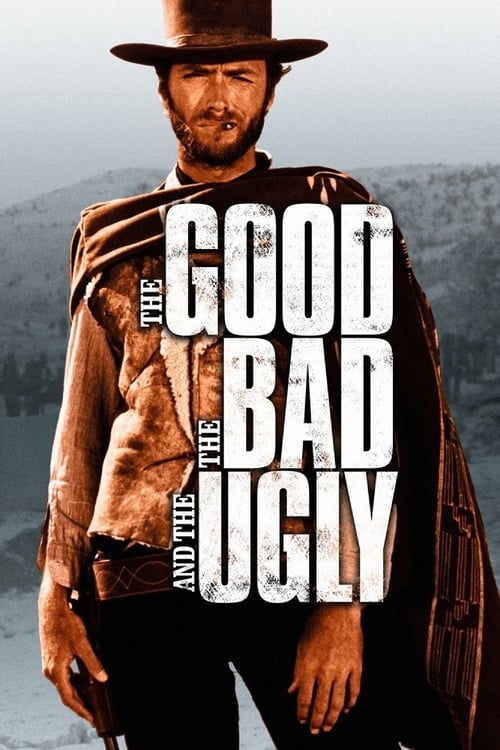 Hall of Fame · 1966
The Good, the Bad and the Ugly
While the Civil War rages on between the Union and the Confederacy, three men – a quiet loner, a ruthless hitman, and a Mexican bandit – co…
Read analysis →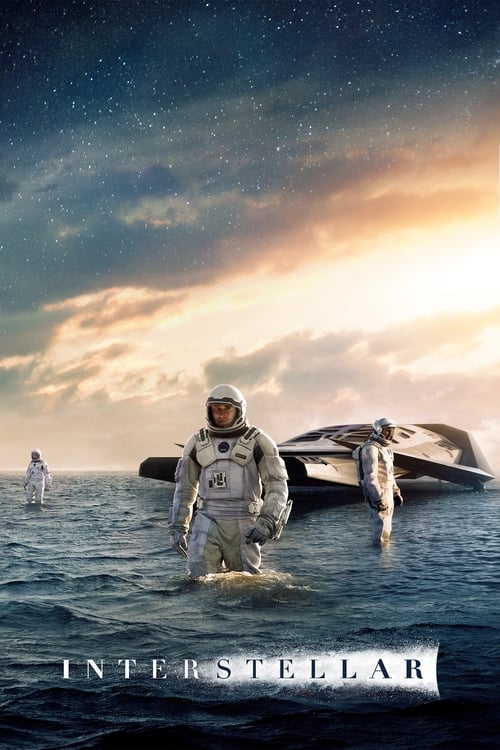 Hall of Fame · 2014
Interstellar
The adventures of a group of explorers who make use of a newly discovered wormhole to surpass the limitations on human space travel and con…
Read analysis → Hall of Fame · 2019
Parasite
All unemployed, Ki-taek's family takes peculiar interest in the wealthy and glamorous Parks for their livelihood until they get entangled i…
Read analysis →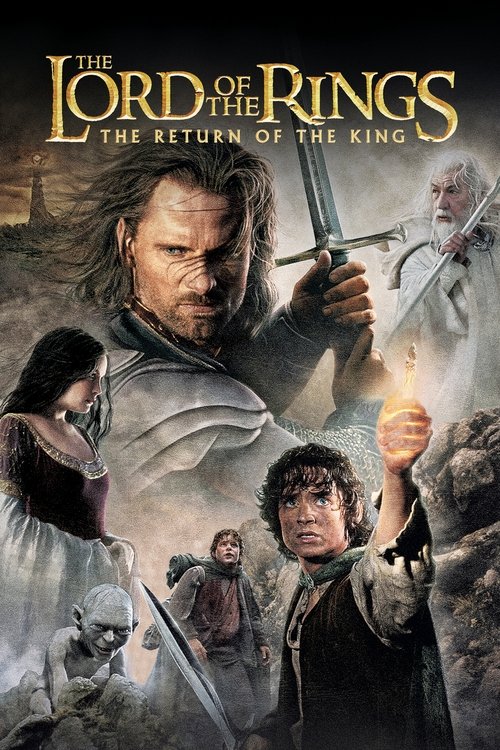 Hall of Fame · 2003
The Lord of the Rings: The Return of the King
As armies mass for a final battle that will decide the fate of the world--and powerful, ancient forces of Light and Dark compete to determi…
Read analysis →