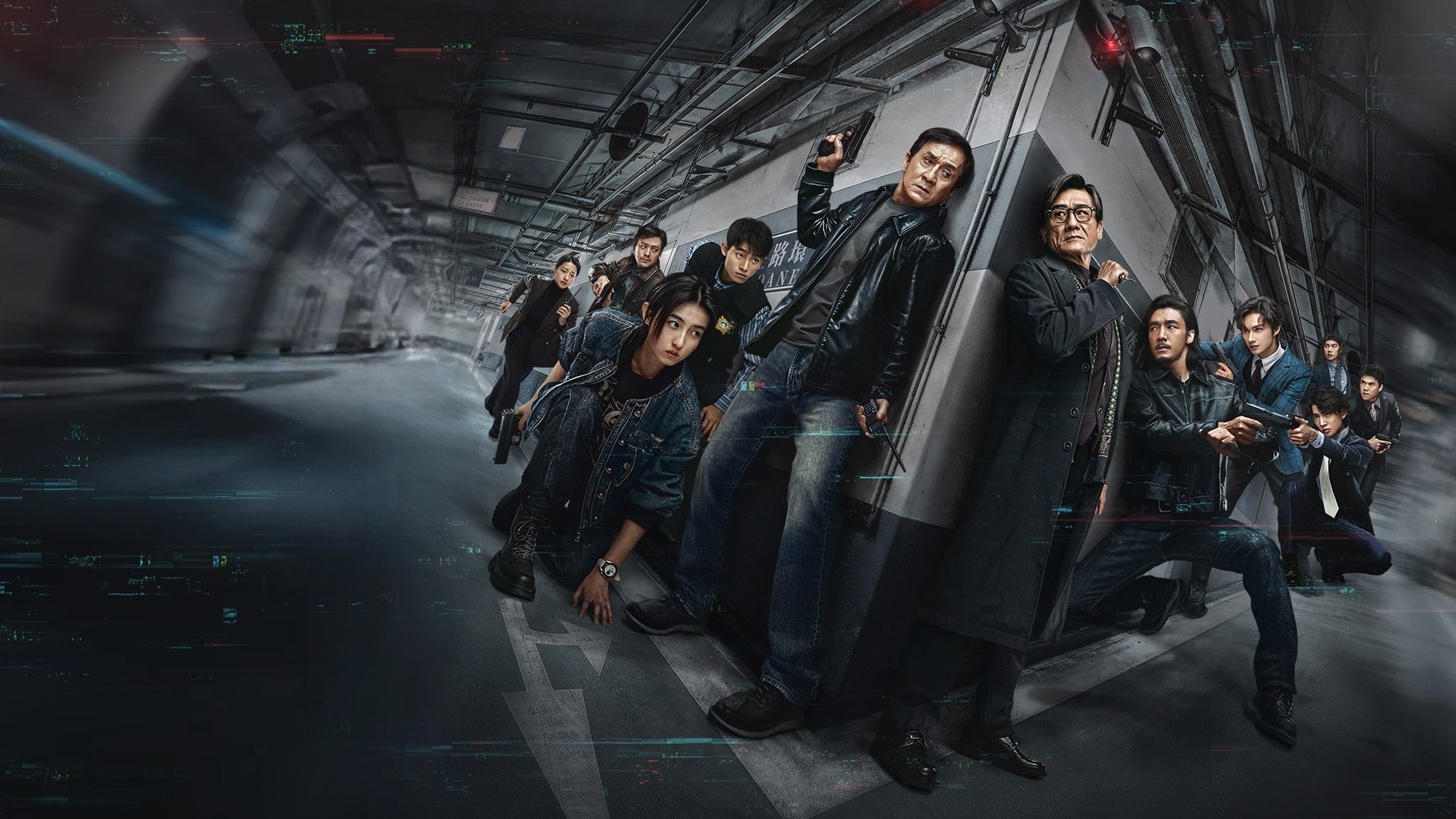
THE SHADOW'S EDGE
Archive Entry No. 2025-PR
Anatomy of the Chase: Spatial Noir and Analog Ghosts in 'The Shadow’s Edge'
In an era where action cinema is increasingly diluted by green-screen weightlessness and algorithmic pacing, director director’s latest neo-noir, The Shadow’s Edge, arrives as a staggering, tactile correction. Released on August 16, 2025, the film uses the labyrinthine geography of Macau not merely as a picturesque backdrop, but as an active antagonist. This is a film that demands to be experienced in the dark, on the largest screen possible, where its dense shadows and rich, auditory textures can fully envelop the senses.
The Geography of the Labyrinth: Visualizing Macau
The cinematic experience of The Shadow’s Edge is defined by a brilliant tension between the ancient and the hyper-modern. Cinematographer Zhao Kang captures Macau as a purgatorial dreamscape. The camera glides through neon-drenched, rain-slicked alleyways that seem to shrink around the characters, only to suddenly open up into the sterile, cavernous opulence of mega-casinos. This spatial dissonance is central to the film's visual language.
Through the masterful use of anamorphic lenses and a low-key, high-contrast lighting scheme, the film resurrects the classic chiaroscuro of traditional film noir while updating it for the 21st century. The shadows in this film have weight; they feel thick, almost liquid. When our protagonist, a retired tracking expert brought back by the Macau Police, steps into the frame, he does not merely occupy space—he negotiates with it. The sound design complements this visual claustrophobia by prioritizing ambient realism over bombastic scores. The drip of condensation, the distant hum of air conditioners, and the scuffle of leather on wet asphalt create a symphony of urban isolation that keeps the audience in a state of perpetual apprehension.
The Weight of the Gaze: Performance and Pathos
At the heart of this atmospheric thriller is a masterclass in minimalist acting. Playing the weary, coaxed-out-of-retirement tracking expert, the lead actor delivers a performance of profound physical gravity. He portrays a man who reads the world through micro-movements, discarded cigarette butts, and the subtle displacement of dust. There are long stretches of the film where he does not speak a word, yet his eyes—heavy with history and silent calculation—convey a lifetime of hyper-vigilance and regret.
Opposite him, the group of professional thieves are not depicted as cartoonish super-villains, but as cold, precise technocrats of crime. The chemistry between the hunter and the hunted is intellectual rather than physical. The acting choices here eschew melodrama in favor of quiet professionalism. When the tracker finally crosses paths with the thieves' enigmatic leader, the scene does not explode into a typical fistfight; instead, it is a quiet, breathless battle of wits and observation, played out through subtle shifts in posture and gaze. It is a testament to the actors' restraint that the tension in these quiet moments is far more explosive than any CGI set-piece.
The Vanishing Trace: Surveillance and the Analog Human
Beyond its genre thrills, The Shadow’s Edge carries a sharp, contemporary resonance. In 2025, we live in a world of total digital visibility, where algorithms predict our desires and facial recognition maps our movements. The film taps directly into this collective anxiety by contrasting the thieves' high-tech, ghost-like digital erasure with the tracker’s analog, sensory methods.
The thieves operate in the digital ether, bypassing security systems and leaving no electronic footprint. The Macau Police are rendered helpless by this lack of data, highlighting the limitations of technocratic governance. By bringing in a tracker who relies on physical intuition, the narrative argues for the irreplaceable value of human perception in an increasingly automated world. The film becomes an elegy for the physical trace—a poetic reminder that despite our digital ghosts, we are still bound by the physical spaces we inhabit. The Shadow’s Edge is a brilliant, brooding triumph that reminds us why we go to the movies: to get lost in the dark, and to find our way back through the power of pure cinema.