THE FURIOUS
Archive Entry No. 2026-PR
The Horizon of Action Cinema: Anticipating The Furious
Scheduled for release on June 5, 2026, The Furious arrives at a critical juncture for action cinema. In an era where the genre frequently oscillates between hyper-stylized comic book escapism and low-budget digital releases, this project promises a return to the visceral, grounded kineticism of classic martial arts noir. On paper, the premise reads like a lean, mean vengeance thriller. However, a deeper analysis of its narrative architecture suggests a film poised to dissect the anatomy of systemic corruption through the lens of personal grief and physical retribution.
Narrative Synergy: The Fist and the Pen
At the core of the anticipation surrounding The Furious is the compelling, asymmetric alliance between its two protagonists: Wang Wei, the desperate father driven to violence, and Navin, the relentless journalist searching for his missing wife. This is not merely a convenient pairing of action-movie archetypes; it represents a sophisticated thematic duality. Wei embodies physical intervention—the kinetic force required to disrupt immediate threats. Navin, conversely, represents intellectual exposure—the pursuit of truth and the dismantling of the systemic structures that allow criminal networks to thrive.
By pairing a martial artist with an investigative journalist, the film has the opportunity to elevate the standard "one-man army" trope. The narrative engine is fueled not just by the desire for revenge, but by the quest for accountability. This synergy suggests that the film's action sequences will not exist in a vacuum; rather, they will serve as the punctuation marks to a larger, more complex investigation into institutional rot. The pen and the fist operate in tandem, suggesting that violence without exposure is futile, and exposure without force is toothless.
Subverting the Vigilante Trope: Institutional Decay
Vigilante cinema often risks falling into simplistic moral binaries. However, The Furious positions its conflict against a backdrop of absolute institutional failure. The corrupt police force does not merely stand aside; they are actively complicit in the kidnapping of Wei’s daughter. This narrative choice shifts the film’s thematic weight from a simple rescue mission to an existential critique of the social contract.
When the state abdicates its duty to protect its citizens, the vigilante is born not out of a desire for lawlessness, but out of a desperate need for order. The Furious is poised to explore this moral grey zone. Wei’s "furious vengeance" is not presented as heroic, but as a tragic necessity. The film’s potential lies in how it interrogates this fury—whether it portrays vengeance as a cathartic resolution or as a corrosive cycle that threatens to consume both Wei and Navin. This thematic depth could elevate the film from a standard genre exercise into a poignant commentary on societal disillusionment.
Aesthetic and Choreographic Expectations
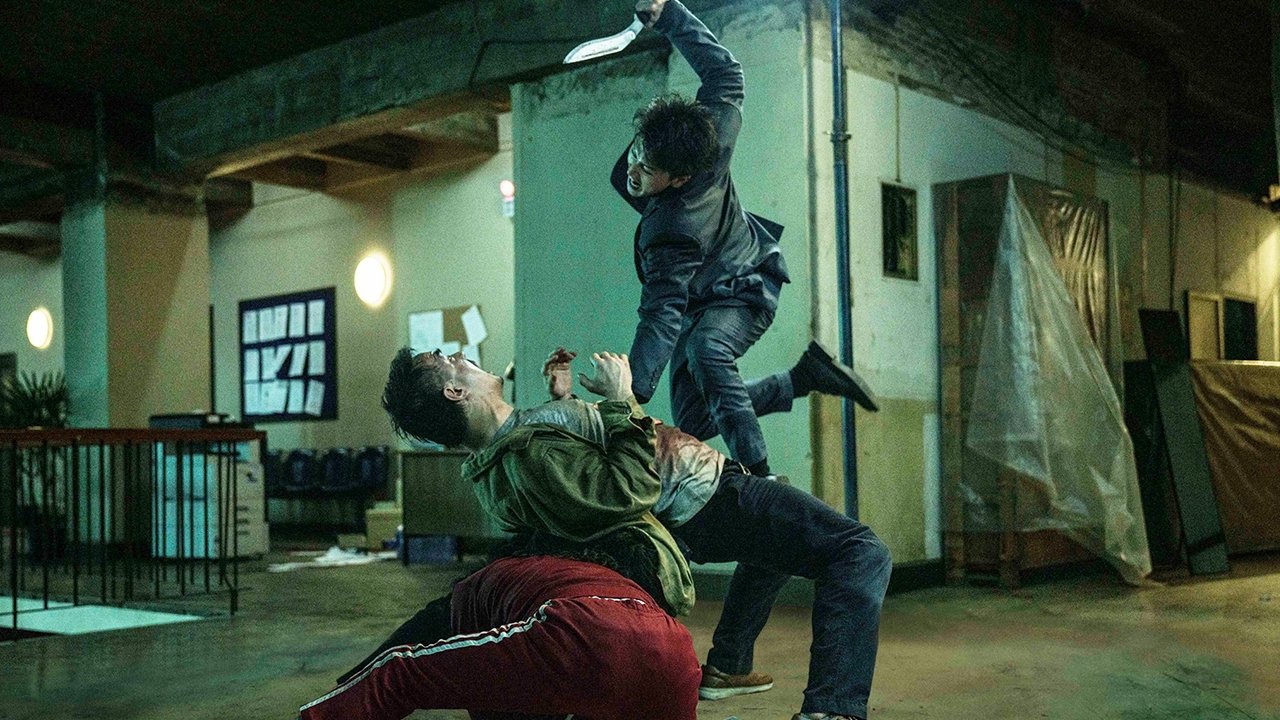
From a stylistic standpoint, the promise of an "explosive martial arts showdown" carries significant weight. For The Furious to make a lasting impact on the genre, its action choreography must reflect the psychological states of its characters. We should expect a departure from the clean, acrobatic aesthetics of traditional wuxia, moving instead toward a raw, brutal, and improvisational combat style.
The violence in The Furious must feel desperate and exhausting. Every strike should carry the weight of Wei’s grief and Navin’s desperation. If the filmmakers can successfully integrate high-caliber martial arts choreography with the gritty, rain-slicked aesthetic of neo-noir, the film could achieve a sensory impact reminiscent of masterpieces like The Raid or Man from Nowhere. The visual language of the film must mirror its thematic darkness, utilizing shadow, claustrophobic urban spaces, and kinetic camera work to immerse the audience in the protagonists' descent into the criminal underworld.
The Anticipated Verdict
Ultimately, The Furious is highly anticipated because it represents the potential reclamation of the mid-budget, high-concept action thriller. By anchoring its martial arts spectacle in a sophisticated narrative of systemic corruption, grief, and unlikely alliance, the film has the ingredients to transcend its B-movie roots. If it can balance its intellectual ambitions with uncompromising, visceral action, The Furious may well define the cinematic landscape of the summer of 2026.