STAR WARS: THE MANDALORIAN AND GROGU
Archive Entry No. 2026-PR
Cinematic Migration: Anticipating 'The Mandalorian and Grogu'
When Star Wars: The Mandalorian and Grogu arrives in theaters on May 19, 2026, it will represent far more than a simple continuation of a beloved intellectual property. It marks a critical ontological shift for modern franchise filmmaking: the migration of a narrative born and nurtured in the prestige streaming ecosystem back to the grand cinematic canvas. Directed by Jon Favreau, this feature film carries the dual burden of revitalizing the theatrical arm of the Star Wars universe—dormant since 2019—and proving that episodic television structures can be successfully distilled into a singular, high-stakes cinematic event.
The Gravity of the Silver Screen: Expectations and Scale
The primary expectation surrounding this project lies in its scale. For three seasons, The Mandalorian operated on a weekly, episodic cadence, utilizing the pioneering StageCraft volume technology to create intimate, localized conflicts. The transition to a theatrical feature demands a paradigm shift. Audiences will expect a narrative of grander scope, deeper visual fidelity, and a kinetic energy that justifies the price of admission.
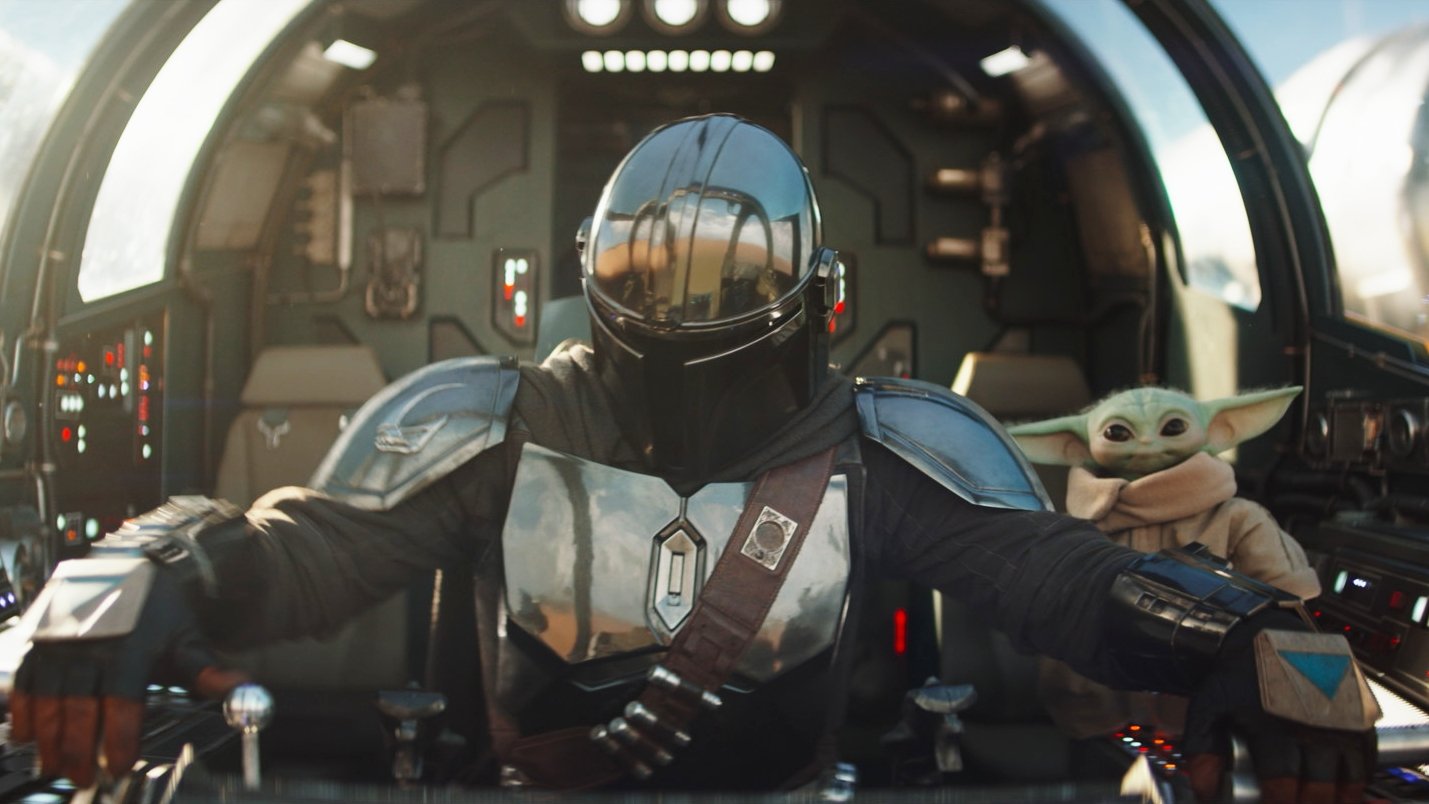
The premise promises a synthesis of intimate character study and galactic geopolitics. By positioning Din Djarin and his apprentice Grogu as operatives for the fledgling New Republic, the film must balance the micro-level emotional core of their surrogate father-son dynamic with the macro-level threat of scattered Imperial warlords. The expectation is not merely for a "double-length episode," but for a self-contained epic that redefines the visual and structural language of the franchise.
Reframing the Space Western: Genre Impact
From its inception, The Mandalorian revitalized the space western genre by stripping away the high-fantasy melodrama of the Skywalker Saga in favor of grit, silence, and moral ambiguity. In transitioning to cinema, the film has the potential to redefine the modern science fiction blockbuster. By leaning into the post-war reconstruction era of the galaxy, the film can channel the thematic weight of classic post-Civil War Westerns, such as those by John Ford or Sergio Leone.
We are likely to see a genre hybridity where the lawless, dusty frontiers of the Outer Rim clash with the bureaucratic, clean-lined aesthetic of the New Republic. This contrast offers a rich visual and tonal palette. If successful, the film will demonstrate that contemporary space opera does not require existential, planet-destroying threats to achieve cinematic grandeur; instead, it can find its stakes in the localized, tense skirmishes of a cold war.
Thematic Depths: Reconstruction, Legacy, and Statehood
Thematically, the film is poised to explore the complex, often compromised nature of nation-building. The "fledgling New Republic" is not a utopian savior but a fragile, bureaucratic entity struggling to maintain order without replicating the totalitarian grip of the Empire. By enlisting a bounty hunter—an avatar of pure individualism—to protect its interests, the New Republic exposes its own vulnerability. This setup invites a sophisticated critique of statehood, institutional authority, and the moral compromises made in the name of security.
Furthermore, the central relationship between Din Djarin and Grogu will undergo a profound thematic evolution. Grogu is no longer a passive ward but an apprentice. This shifts the dynamic from protective custody to active mentorship, raising questions about legacy and the cycle of violence. Can Din Djarin raise Grogu to be something better than a weapon? In a galaxy fractured by ideological remnants, the struggle to preserve innocence and forge a private identity amidst public duty will serve as the emotional anchor of the film.
Ultimately, Star Wars: The Mandalorian and Grogu is a high-stakes experiment in narrative translation. If it succeeds, it will bridge the gap between television and cinema, offering a sophisticated, genre-bending spectacle that honors its intimate roots while embracing the sublime scale of the theater.