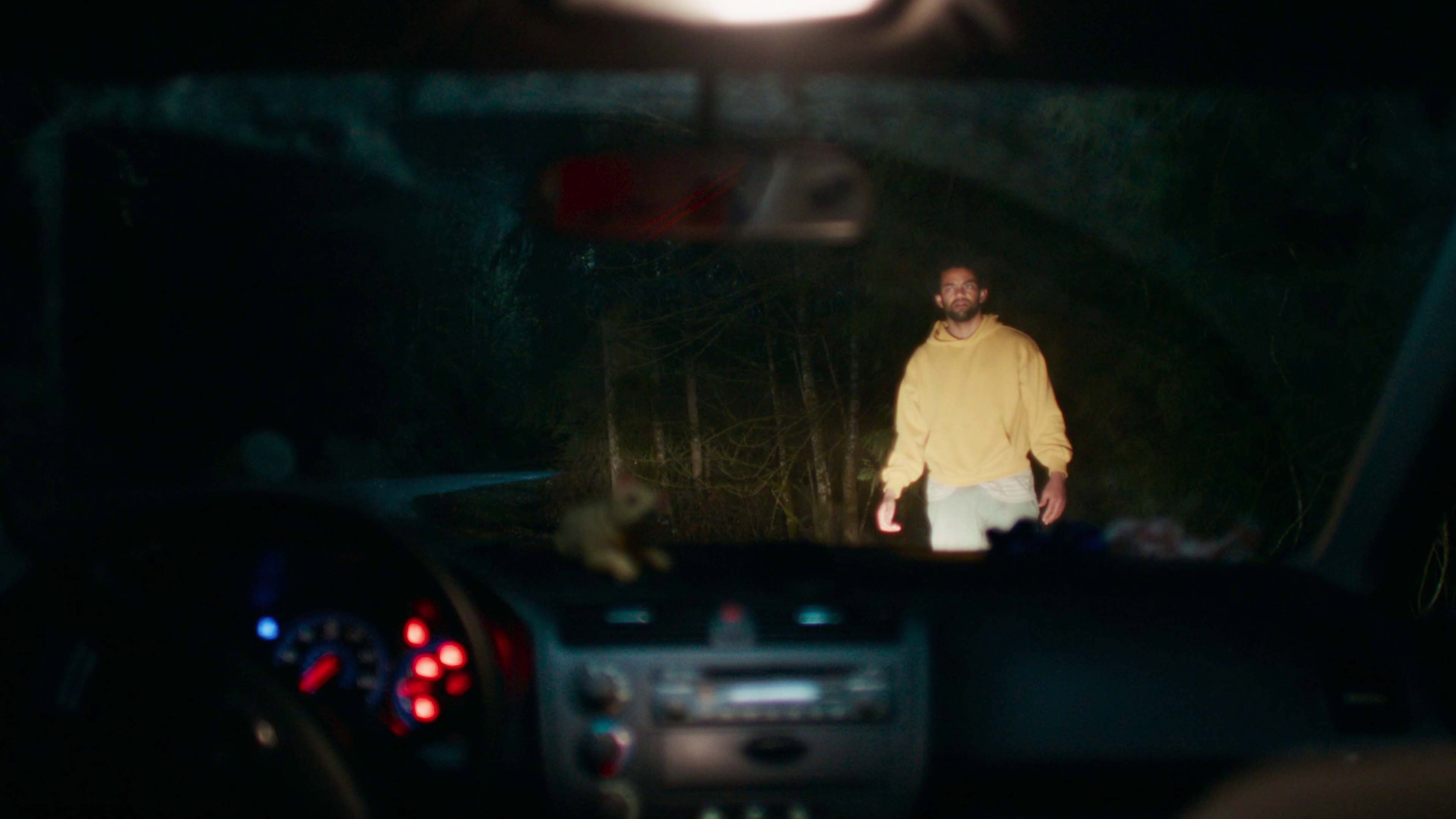
PASSENGER
Archive Entry No. 2026-PR
On the Radar: The Existential Dread of Passenger (2026)
The open road has long served as a canvas for American cinematic anxiety, representing both the promise of absolute freedom and the terror of the unknown. Scheduled for release on May 20, 2026, Passenger arrives as a highly anticipated psychological horror film that promises to subvert the contemporary romanticization of nomadic living. By transforming the trendy, highly aestheticized "van life" subculture into a claustrophobic crucible of supernatural terror, the film is poised to capture the cultural zeitgeist of a generation seeking escape, only to find themselves trapped by their own vulnerabilities.
Subverting the Aesthetic of Nomadism
At the heart of Passenger lies a brilliant thematic irony. The modern "van life" movement is built on the curation of freedom—an escape from societal constraints, captured in sun-drenched social media feeds. By introducing a malevolent, inescapable demonic entity into this hyper-confined mobile space, the film constructs a powerful claustrophobic paradox. The vehicle, once a symbol of boundless liberty and self-reliance, becomes a rolling prison.
We anticipate that Passenger will heavily critique this illusion of self-sufficiency. The young couple at the center of the narrative seeks to distance themselves from the world, yet their isolation becomes their undoing. When there is no permanent home to retreat to, and the very vessel of your freedom is haunted, the psychological toll must be devastating. The film will likely explore how easily the thin veneer of modern bohemian idealism shatters when confronted with primordial, inescapable dread.
The Anatomy of Shared Trauma
The inciting incident—witnessing a gruesome highway accident—suggests that Passenger is deeply concerned with the nature of trauma and bystander guilt. In horror, demons are rarely just monsters; they are externalizations of internal rot. The "Passenger" itself can be read as a manifestation of the shock, grief, and moral culpability that follows witnessing sudden death.
By forcing the couple to share this haunting, the narrative is set to examine the disintegration of a relationship under extreme duress. How does a shared trauma infect intimacy? When a demonic presence "won't stop until it claims them both," the dynamic between the protagonists will inevitably shift from mutual support to survivalist paranoia. The anticipation surrounding the film stems from this promise of high-stakes interpersonal drama, elevated by supernatural stakes, reminiscent of modern classics like It Follows and Hereditary.
Redefining the Highway Horror Genre
From a genre perspective, Passenger stands on the shoulders of classic highway thrillers like Steven Spielberg’s Duel and Robert Harmon’s The Hitcher. However, it seeks to innovate by merging the visceral, kinetic energy of the road movie with the atmospheric, dread-inducing tropes of modern supernatural horror.
Instead of a physical pursuer in another vehicle, the threat in Passenger is internal, occupying the very space the protagonists inhabit. This shifts the tension from a chase to a siege. The cinematic potential of a haunted camper van is immense; directorially, it demands creative use of tight spaces, reflective surfaces, and the contrast between the vast, indifferent wilderness outside and the suffocating terror within. If executed with stylistic precision, the film could redefine how horror utilizes liminal spaces.
The Verdict on Anticipation
As we look toward its May 2026 release, Passenger emerges as a film of immense potential. It has the ingredients to be more than a simple jump-scare thriller; it has the raw material to be a sophisticated, metaphorically rich exploration of guilt, isolation, and the fragility of modern escapism. For audiences seeking a horror film that lingers long after the credits roll, Passenger is undoubtedly a title to watch closely. It threatens to turn the dream of the open road into our collective, inescapable nightmare.