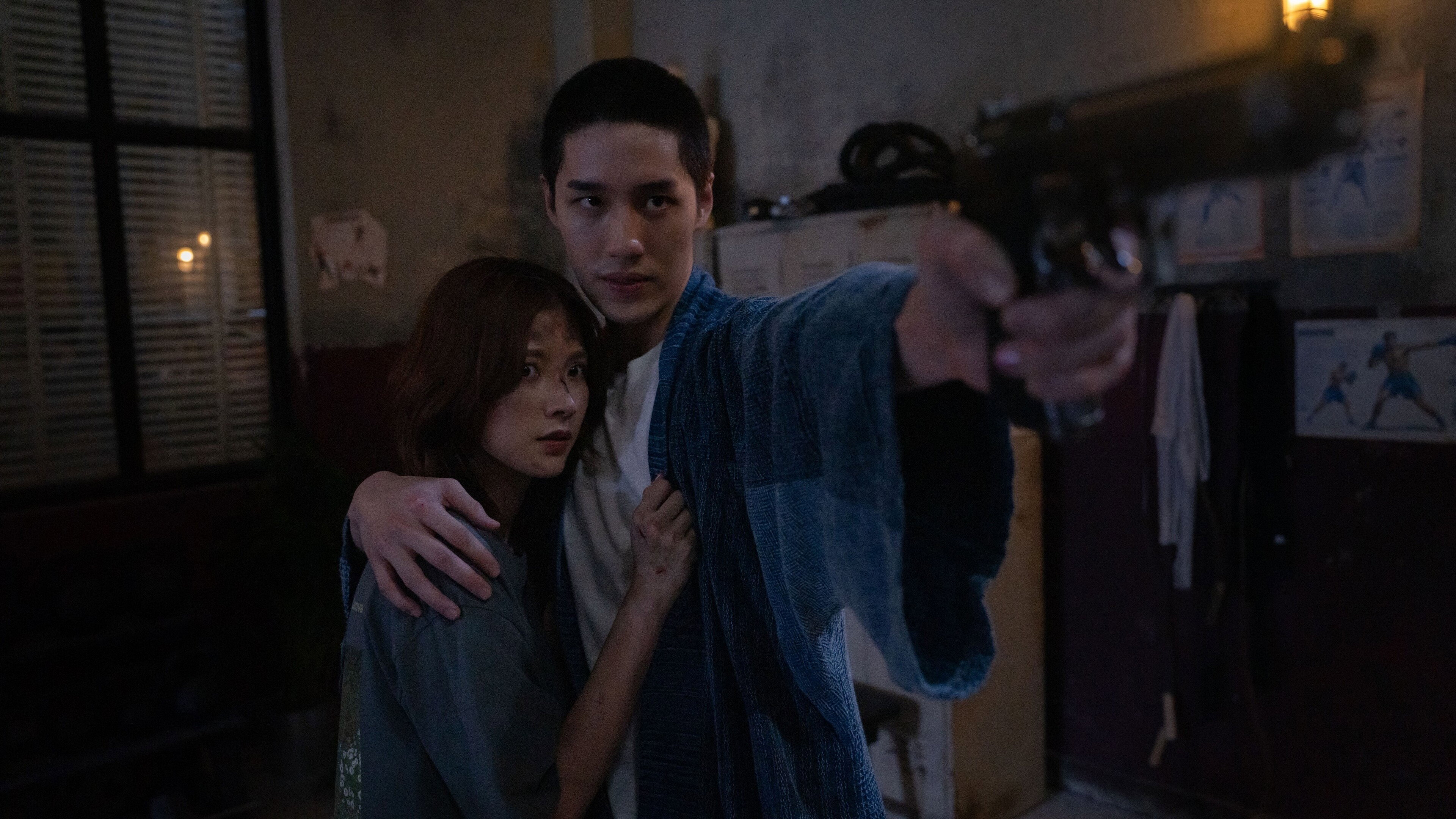
MY DEAREST ASSASSIN
Archive Entry No. 2026-PR
The Alchemy of Flesh and Shadow: A Deep Analysis of 'My Dearest Assassin'
In an era where the multiplex is routinely choked by assembly-line blockbusters, director Julian Vance’s My Dearest Assassin arrives as a fierce, intoxicating anomaly. Released on May 6, 2026, this film is far more than the genre-bending romantic thriller its marketing campaign suggests. It is a gothic, bio-political tone poem that masterfully synthesizes visceral action with a deeply felt, almost operatic romance. At its core, the film interrogates the terrifying vulnerability of the human body in an age of systemic exploitation, transforming a high-concept premise into a profound meditation on agency and intimacy.
The Cinematic Experience: A Symphony of Claustrophobia and Motion
Vance’s visual grammar is nothing short of extraordinary. The film operates on a striking dialectic of confinement and kinetic liberation. In the first act, the "cage" in which our protagonist is kept is captured with a sterile, clinical coldness. The camera lingers on the brushed steel and harsh fluorescent lighting, evoking a sense of sterile dread that feels suffocatingly real. The depth of field is deliberately shallow, isolating her in a sea of blur, emphasizing her profound alienation from a world that views her merely as a biological resource.
However, when the narrative ruptures and she escapes alongside her assassin-lover, the cinematic language shifts dramatically. The sterile whites give way to a rich, rain-slicked chiaroscuro. Cinematographer Clara Dupont utilizes anamorphic lenses to capture the nocturnal cityscapes, where neon bleeding through heavy fog creates a dreamlike, liminal space. The action sequences are choreographed not with the frantic, incomprehensible cuts of contemporary action cinema, but with a fluid, balletic geography. We feel every impact, every breath, and every drop of rain, making the cinematic experience intensely tactile and overwhelmingly immersive.
Performative Gravity: Subverting the Tropes of Captivity
The success of My Dearest Assassin hinges entirely on the electric chemistry between its two leads, who deliver performances of astonishing physical and emotional commitment. As the caged woman hunted for her rare blood type, Elena Rostova delivers a masterclass in quiet defiance. Rostova avoids the easy traps of the "damsel in distress" archetype; even in her moments of physical captivity, her eyes betray a fierce, calculating intellect. When she vows to fight, the transition is not a sudden, unrealistic transformation into a superhero, but a grueling, painful reclamation of her own physical sovereignty.
Opposite her, Marcus Vance plays the titular assassin with a bruised, melancholic restraint. Vance subverts the hyper-masculine killer trope by portraying a man hollowed out by violence, who finds in Rostova’s character not a mission, but a mirror. Their romance is built not on grandiloquent declarations, but on shared silences, stolen glances, and the desperate, synchronized rhythm of survival. The return of their old enemy—played with chilling, bureaucratic malice by veteran actor Arthur Pendelton—serves as the catalyst that forces both actors to lay bare their characters' deepest vulnerabilities. It is a masterclass in acting that prioritizes psychological truth over genre posturing.
Cultural Relevance: The Commodification of the Self
Beyond its aesthetic triumphs, My Dearest Assassin resonates with a chilling contemporary urgency. In 2026, as society grapples with the rapid advancement of biotechnology, data-harvesting, and the erosion of bodily autonomy, the film’s central conceit—a woman hunted for the literal essence of her life-force—feels less like science fiction and more like a heightened allegory for late-stage capitalism.
The film brilliantly critiques the commodification of the human body. Rostova’s character is pursued because her very biology has been financialized by external forces. In this context, her decision to fight alongside the assassin is a radical act of self-ownership. It asserts that our bodies, our blood, and our capacity to love are not assets to be liquidated or controlled by institutional power. By framing love as the ultimate weapon against systemic subjugation, the film offers a poetic antidote to the cynicism of the modern age.
Conclusion
My Dearest Assassin is a rare cinematic achievement that satisfies both the intellect and the senses. It elevates the thriller genre into a sublime work of art, offering a visceral cinematic experience, powerhouse performances, and a narrative that holds a dark, revealing mirror to our contemporary anxieties. It is a film that lingers in the mind long after the screen goes black, demanding to be felt as much as it is understood.