LAW & ORDER: SPECIAL VICTIMS UNIT
Archive Entry No. 1999-PR
The Liturgy of Law and Order: A Critical Anatomy of SVU
For over two decades, Law & Order: Special Victims Unit has occupied a singular, almost mythic space in the American television landscape. Premiering in the twilight of the twentieth century, Dick Wolf’s spin-off transcended its parent series to become a modern-day morality play. It is a show that does not merely depict crime; it interrogates the systemic, psychological, and societal failures that allow "especially heinous" offenses to occur. By examining its world-building, character evolution, and narrative rhythms, we reveal a series that is both a comforting procedural and a harrowing mirror to our shifting cultural conscience.
The Shadow of the Metropolis: Gritty World-Building
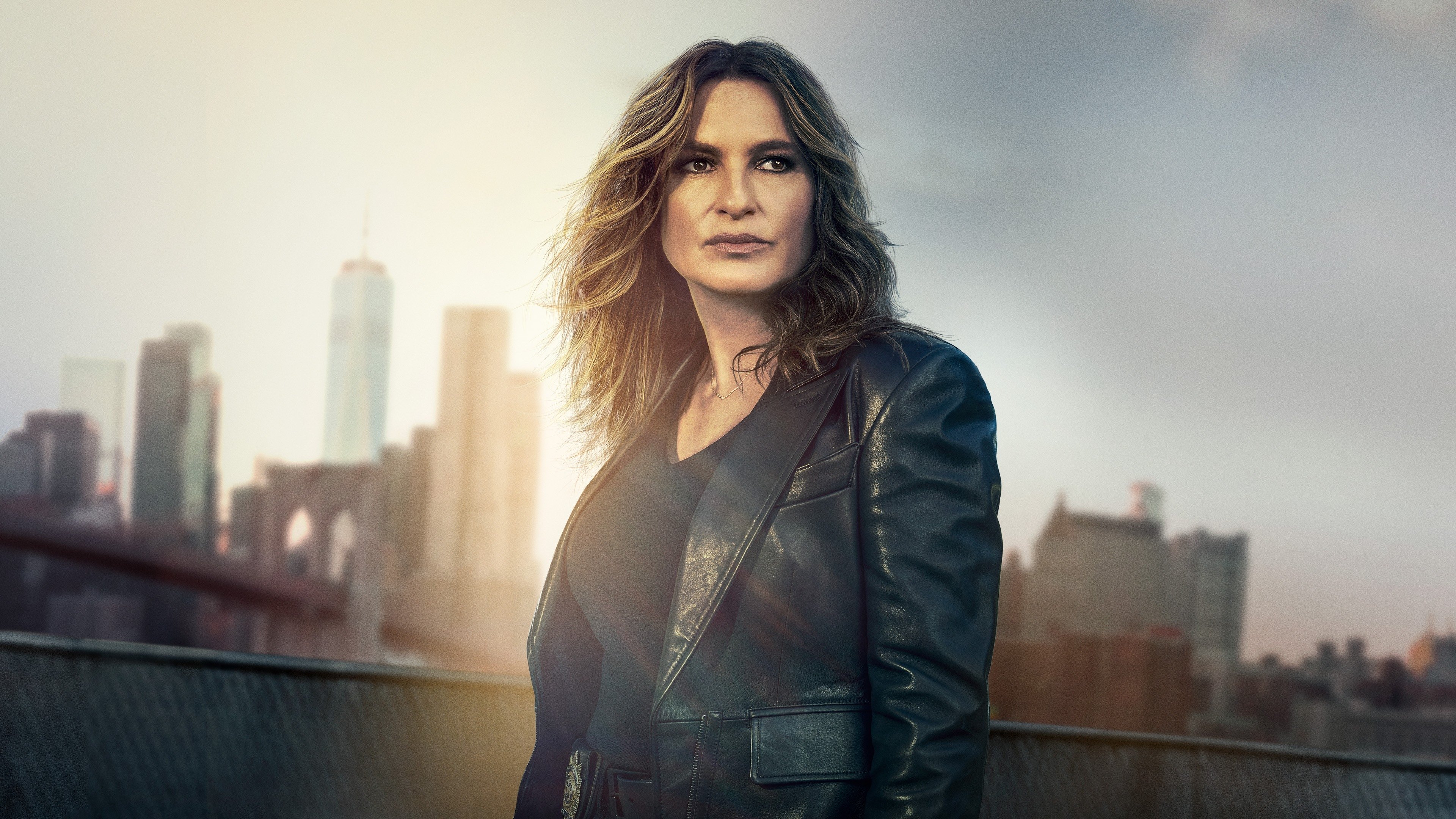
The New York City of SVU is not the glamorous metropolis of romantic comedies, nor is it a cartoonish den of iniquity. Instead, the series constructs a world defined by its institutional architecture—interrogation rooms with two-way mirrors, sterile courtrooms, and fluorescent-lit precinct offices. This is a bureaucratic labyrinth where justice is a scarce, highly contested commodity.
The world-building relies on a hyper-realistic, almost claustrophobic depiction of urban vulnerability. By anchoring the narrative in real-world anxieties—ranging from the pre-digital anxieties of the late 1990s to the algorithmic dangers of the modern internet—SVU creates a living, breathing ecosystem. The city itself acts as an antagonist: a sprawling grid of dark alleys and luxury penthouses where power dynamics are constantly weaponized against the marginalized. The show’s genius lies in making this grim world feel utterly authentic, establishing a universe where the legal system is a fragile shield against human depravity.
The Liturgy of Olivia Benson: Character Arcs and Moral Weight
At the heart of the series' enduring legacy is the monumental evolution of Olivia Benson (Mariska Hargitay). Benson’s arc is one of the most significant in television history, tracing her path from a haunted, empathetic detective to a resilient captain and the moral matriarch of the series. Her personal history—as the child of a sexual assault—informs her crusade, transforming her empathy into a form of radical resistance against a broken system.
This stands in stark contrast to her original partner, Elliot Stabler (Christopher Meloni), whose arc embodied the volatile friction of protective rage and toxic masculinity. Stabler’s departure and Benson’s subsequent rise to leadership shifted the show’s ideological center of gravity. Under Benson’s stewardship, the series evolved from a story about punitive vengeance to one centered on survivor advocacy and trauma-informed justice. The rotating cast of Assistant District Attorneys—from the icy pragmatism of Alex Cabot to the fiery idealism of Rafael Barba—further enriches this landscape, presenting characters who must constantly negotiate the compromise between legal code and human morality.
The Rhythms of Justice: Narrative Pacing and the Procedural Formula
The narrative pacing of SVU is a masterclass in tension and release. Structurally, the show adheres to a rigid, two-act formula: the first half is a frantic, clue-driven police investigation; the second half transitions into a high-stakes courtroom drama. This split-screen pacing creates a reliable rhythm—punctuated by the iconic, metallic "dun-dun" transition sound—that provides a sense of cognitive order to chaotic and deeply disturbing subject matter.
However, the show’s true narrative sophistication lies in how it balances this episodic predictability with serialized character trauma. While the "monster of the week" is usually caught or prosecuted within forty-five minutes, the psychological toll on the protagonists accumulates over seasons. This dual-layered pacing ensures that while individual cases find legal resolution, the emotional consequences remain unresolved, mirroring the ongoing, non-linear nature of real-world trauma recovery.
Conclusion: A Monument of Television History
Ultimately, Law & Order: Special Victims Unit is more than a crime drama; it is an institution that has shaped public discourse surrounding consent, victimhood, and institutional accountability. Through its meticulous world-building, deeply human character arcs, and a narrative pace that offers catharsis amidst horror, the series remains an essential, albeit painful, chronicle of our collective search for justice.