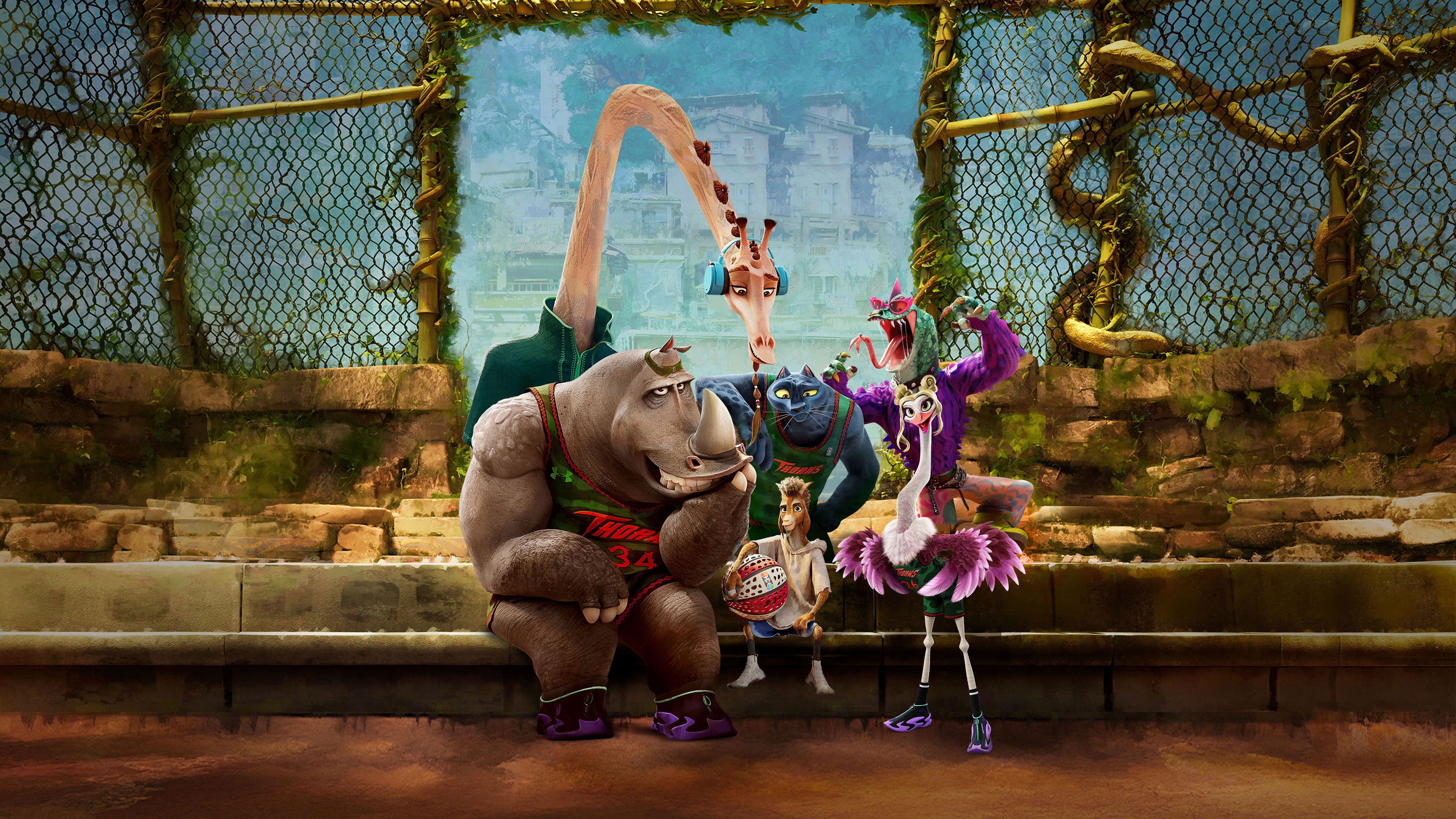
GOAT
Archive Entry No. 2026-PR
The Kinetic Poetry of the Underdog: How ‘GOAT’ Redefines the Sports Epic
Released on February 11, 2026, GOAT arrives in theaters not merely as another anthropomorphic sports fable, but as a staggering, sensory-rich deconstruction of systemic ambition. On its surface, the narrative follows a diminutive caprine protagonist striving to break into "roarball"—a brutal, co-ed, full-contact sport traditionally ruled by the world's fiercest apex predators. Yet, beneath this familiar underdog template lies a deeply intellectual inquiry into physical precarity, institutional gatekeeping, and the sheer violence of modern meritocracy. It is a film that demands to be experienced on the largest screen possible, transforming what could have been a simple children's story into a visceral, cinematic triumph.
The Somatic Terror and Splendor of Roarball
The cinematic experience of GOAT is defined by its extraordinary, almost oppressive kineticism. The fictional sport of roarball is rendered not with the clean, sanitized physics of typical digital animation, but with a muddy, bone-rattling realism. Directorially, the film employs a subjective camera that places the audience directly on the turf. We do not merely watch the game; we endure it. Through low-angle tracking shots and a hyper-detailed sound design—where the wet thud of cleats, the tearing of turf, and the terrifying, sub-bass growls of predatory opponents reverberate through the theater—the film establishes a genuine sense of physical stakes.
This somatic immersion is crucial. By emphasizing the sheer scale discrepancy between our caprine hero and the towering lions, bears, and wolves of the league, the cinematography elevates the sport to a mythic, gladiatorial scale. The contrast between the protagonist’s light, frantic agility and the crushing, momentum-driven force of the defenders becomes a beautiful, terrifying dance of survival. It is a masterclass in visual tension, utilizing light and shadow within the stadium floodlights to paint the arena as both a sanctuary of dreams and a slaughterhouse of ambition.
Voice, Motion, and the Anatomy of Vulnerability
The success of GOAT hinges entirely on its central performances, which merge cutting-edge motion capture with profound vocal nuance. The portrayal of the protagonist is a masterclass in restraint. Rather than leaning into the hyperactive, wisecracking tropes of animated protagonists, the voice acting captures a quiet, trembling resolve. Every breath, stutter, and grunt of exertion conveys the immense psychological toll of existing in a space that actively rejects your presence.
Equally compelling is the physical acting translated through the animators. The motion-capture artists have done something remarkable: they have mapped human athletic desperation onto prey-animal anatomy. The protagonist's movements are characterized by a frantic, high-strung vigilance—the constant twitch of an ear, the wide-eyed calculation of exits—which gradually evolves into a specialized athletic discipline. Opposing characters are played with a heavy, predatory swagger that feels genuinely menacing rather than cartoonish. The chemistry between these physicalities creates a palpable friction, making every confrontation on the field feel like a high-stakes negotiation of power.
A Mirror to the Meritocratic Myth
Beyond its technical brilliance, GOAT resonates deeply with contemporary cultural anxieties. In an era increasingly cynical of the "pull yourself up by your bootstraps" narrative, the film serves as a sophisticated critique of the meritocratic myth. Roarball is presented as a brutal microcosm of late-stage capitalism: a high-intensity, winner-take-all arena where marginalized bodies are chewed up for entertainment.
The film brilliantly interrogates why the system finally lets the goat play. It is not because the institution suddenly values equality, but because the spectacle of his struggle is highly commodifiable. The narrative forces the audience to confront our own complicity in consuming stories of exceptional underdogs, asking whether we celebrate their triumph to avoid fixing the systemic barriers that made their struggle so agonizing in the first place. By refusing to offer easy, sentimental answers, GOAT elevates itself from a simple sports movie to a vital cultural text for 2026—a film that is as intellectually bruising as the sport it depicts.