DILWALE DULHANIA LE JAYENGE
Archive Entry No. 1995-PR
The Definitive Paradigm of Modern Indian Romance
Released on October 20, 1995, Aditya Chopra’s directorial debut, Dilwale Dulhania Le Jayenge (affectionately known as DDLJ), did not merely capture the zeitgeist of a transitioning India; it actively manufactured it. At a historical juncture when India was navigating the nascent waters of economic liberalization, the film emerged as a crucial cultural text. It bridged the gap between the traditional homeland and the burgeoning diaspora, presenting a sophisticated synthesis of conservative family values and Westernized modernity. Nearly three decades later, DDLJ remains a towering monument in popular cinema, a masterclass in emotional engineering that redefined the grammar of the Bollywood romance.
The Dialectic of Tradition and Modernity
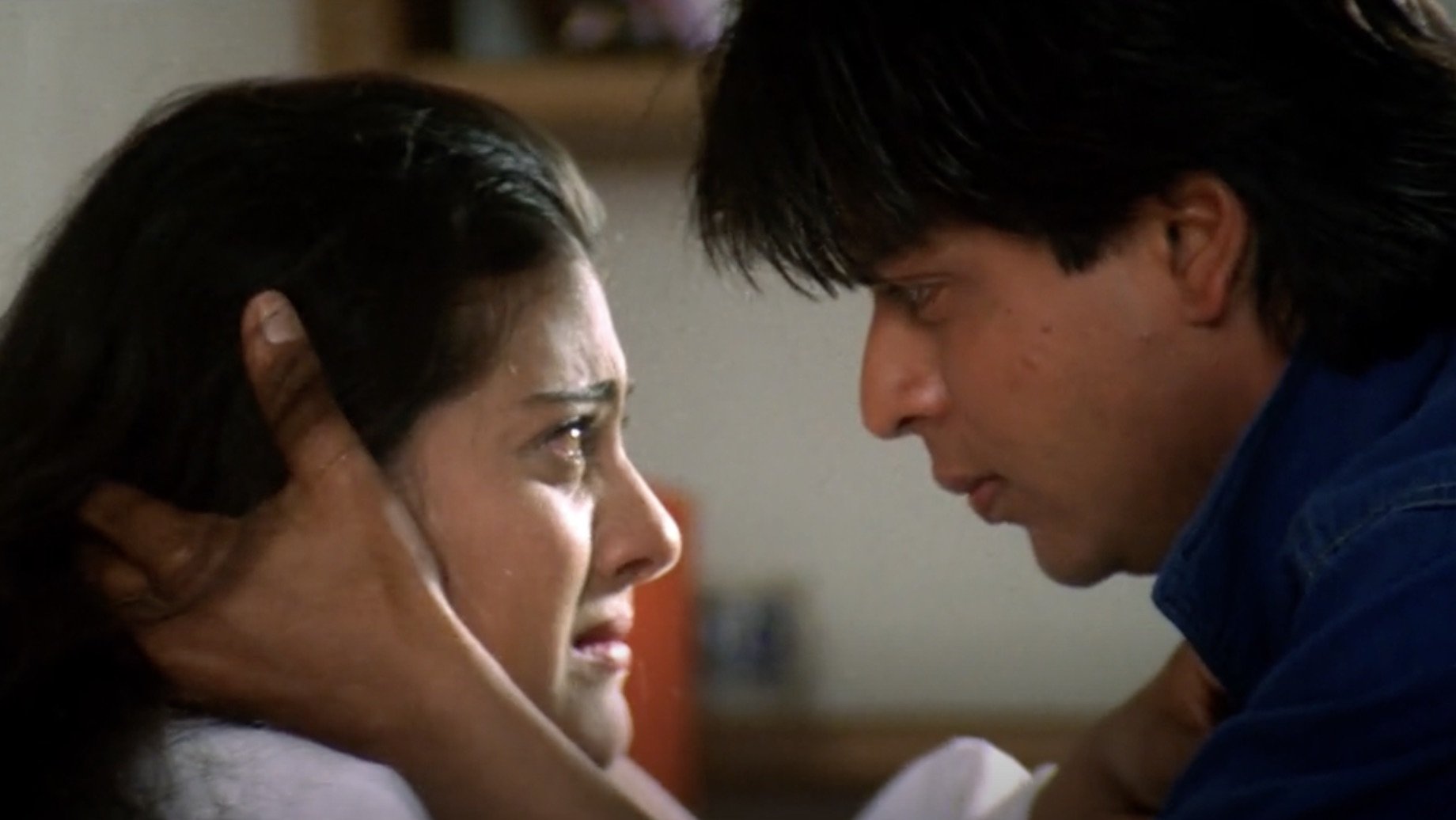
At the heart of the film’s enduring legacy is its nuanced negotiation of the tradition-versus-modernity dichotomy. Unlike the rebellious lovers of previous cinematic eras who chose elopement and societal defiance, Raj (Shah Rukh Khan) and Simran (Kajol) propose a revolutionary compromise: love must be sanctioned by patriarchal authority. Raj’s refusal to abduct Simran, insisting instead on winning the heart of her stern father, Chaudhary Baldev Singh (Amrish Puri), transformed the romantic hero from an iconoclast into a preservationist of family honor.
This thematic masterstroke resonated deeply with the Non-Resident Indian (NRI) diaspora. The film validated their liminal existence, suggesting that one could traverse the streets of London in Western attire while retaining an uncorrupted, essentialist "Indian soul." By framing the preservation of cultural heritage not as a prison, but as a source of moral fortitude, DDLJ offered a comforting balm to a nation anxious about the homogenizing forces of globalization.
Visual Scenography: From Swiss Alps to Punjabi Gold
Analyzing the film through a contemporary lens reveals how much of its emotional efficacy is owed to the cinematography of Manmohan Singh. Singh’s camera serves as an active participant in the narrative's geographic and emotional transition. The first half of the film utilizes a vibrant, saturated palette to capture the sweeping vistas of Europe. The Swiss Alps are framed not merely as a picturesque backdrop, but as a playground of youth, freedom, and burgeoning desire. The use of wide-angle lenses during the Eurail journey emphasizes the vastness of the world opening up to these young protagonists.
However, the film’s visual language undergoes a profound shift upon returning to India. The cool, blue-and-green hues of Europe are replaced by the warm, golden-yellow fields of Punjab. This transition is not merely aesthetic but deeply symbolic. The iconic shot of Simran running into Raj’s arms amidst a sea of yellow mustard flowers (sarson ke khet) is a masterclass in composition, utilizing natural light to evoke a sense of spiritual homecoming. Even today, these frames hold up remarkably well, possessing a rich, celluloid texture that digital cinematography often struggles to replicate. The lighting of the interior spaces in the ancestral home—shadowy, warm, and intimate—further reinforces the themes of domesticity and ancestral gravity.
An Unrivaled Cinematic Legacy
The legacy of DDLJ is mathematically codified by its historic, uninterrupted run at Mumbai’s Maratha Mandir theater, spanning over a quarter of a century. Yet, its true impact lies in how it codified the tropes of the modern romantic comedy. It established Shah Rukh Khan as the definitive "King of Romance" and solidified his pairing with Kajol as the gold standard of on-screen chemistry. More importantly, it exported a highly stylized, aspirational vision of Indian culture to the global stage, transforming Bollywood from a regional industry into a global brand.
Ultimately, Dilwale Dulhania Le Jayenge endures because it is a pristine piece of myth-making. It captured a moment of historical transition with such visual splendor and emotional precision that it ceased to be just a film; it became an indelible part of the collective Indian consciousness.