APEX
Archive Entry No. 2026-PR
The Geography of Grief: How Apex Redefines the Survival Thriller
In an era where the survival thriller too often succumbs to the cheap thrills of jump-scares and torture-porn logistics, Apex emerges as a towering, intellectually rigorous anomaly. Released on April 24, 2026, this masterfully calibrated exercise in tension uses the vast, indifferent expanse of the Australian outback not merely as a backdrop, but as a physical manifestation of a soul in torment. What begins as a familiar narrative of a grieving woman seeking solace in the wild quickly mutates into a profound meditation on predation, resilience, and the primal instinct to survive when one has already lost everything.
The Sublime and the Terrifying: Cinematic Experience
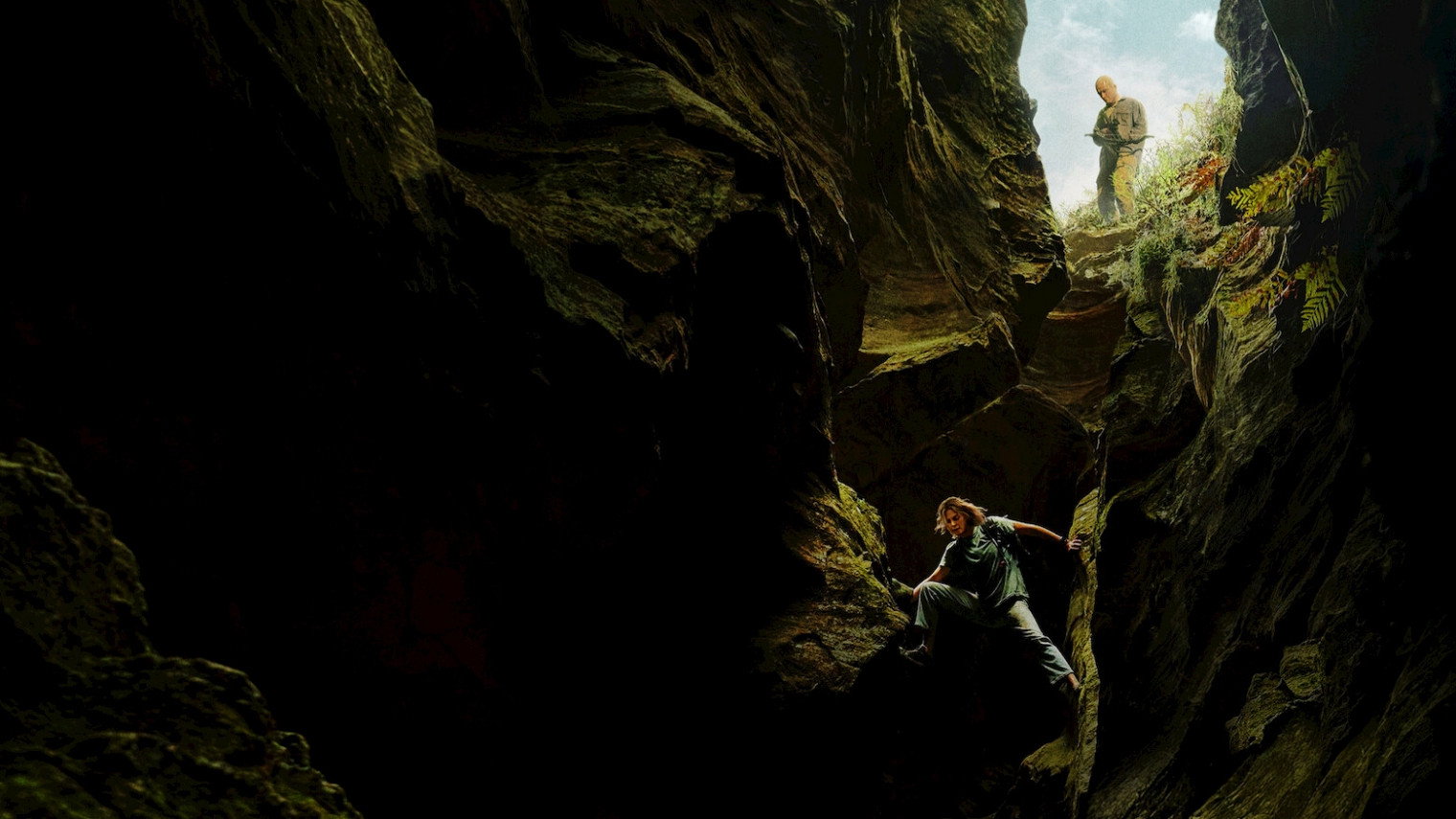
Visually, Apex is a triumph of sensory cinema. The director captures the Australian wilderness with a dualistic eye—it is simultaneously a cathedral of breathtaking beauty and an agoraphobic prison. The camera work favors wide, sweeping landscape shots that reduce the protagonist to a speck of dust against the ancient, sun-bleached earth, emphasizing her profound isolation. This visual scale is juxtaposed with claustrophobic, ultra-shallow depth-of-field close-ups that capture the visceral reality of her physical exertion: the bead of sweat, the trembling hand, the desperate intake of breath.
The sound design is equally extraordinary. The ambient drone of the outback—the dry wind rustling spinifex, the distant, mocking cry of native birds—is slowly overtaken by a minimalist, metallic score that mimics the mechanical, cold-blooded approach of her pursuer. The cinematic experience is one of sustained, breathless immersion, forcing the audience to breathe in tandem with the protagonist as the hunter closes in.
A Symphony of Silence: The Acting
At the beating heart of this harrowing game of cat-and-mouse is a tour-de-force lead performance. Tasked with carrying the film with minimal dialogue, the lead actress delivers a masterclass in physical acting. Her grief is not expressed through theatrical weeping, but through the heavy, deliberate way she carries her body, as if gravity itself is her enemy. When the narrative shifts from self-imposed exile to active survival, her transformation is mesmerizing. She does not suddenly become an action hero; rather, her survival instinct is portrayed as a painful, reluctant awakening of the nervous system.
Opposite her, the antagonist is played with a chilling, understated intellect. He is not a manic slasher, but a hunter who views his quarry through a lens of clinical arrogance. The chemistry between the two is entirely non-verbal, a deadly choreography of tracks, traps, and psychological feints. It is a duel of wits where every micro-expression carries the weight of life and death, elevating the film from a simple chase to a complex psychological chess match.
The Hunter and the Hunted: Contemporary Resonance
Beyond its genre mechanics, Apex speaks directly to the contemporary cultural zeitgeist. In a world marked by collective trauma and an existential yearning for escape, the film’s exploration of "solo-trekking as therapy" feels painfully relevant. It interrogates the modern romanticization of the wilderness, dismantling the myth that nature is a passive sanctuary for human healing.
More urgently, the film serves as a potent metaphor for the systemic predation women navigate daily. The killer in Apex represents the ultimate manifestation of entitlement—a predator who assumes that vulnerability equates to weakness. By subverting the "final girl" trope, the film rejects the narrative of female victimhood. The protagonist’s survival is not a miracle of luck, but a calculated reclamation of agency. She defeats her hunter not by escaping the wild, but by becoming its apex predator, suggesting that the path through grief is not one of gentle acceptance, but of fierce, elemental transformation.
Verdict
Ultimately, Apex is a rare cinematic achievement that satisfies both the pulse and the intellect. It is a brutal, beautiful, and deeply philosophical thriller that demands to be experienced on the largest screen possible. In a cinematic landscape saturated with superficial spectacles, this film stands tall as a stark reminder of the power of pure, visual storytelling.