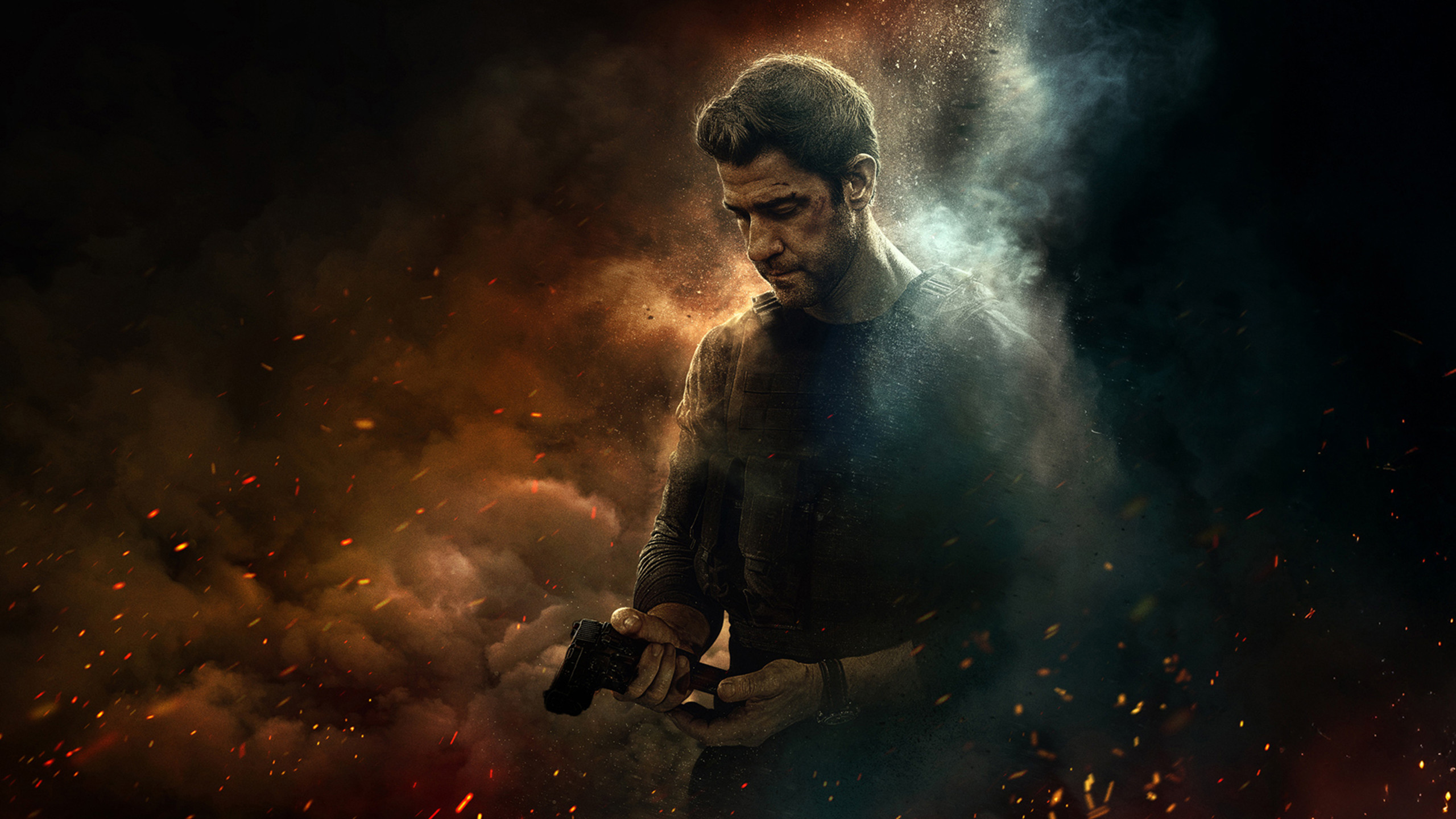
Tom Clancy's Jack Ryan: Ghost War
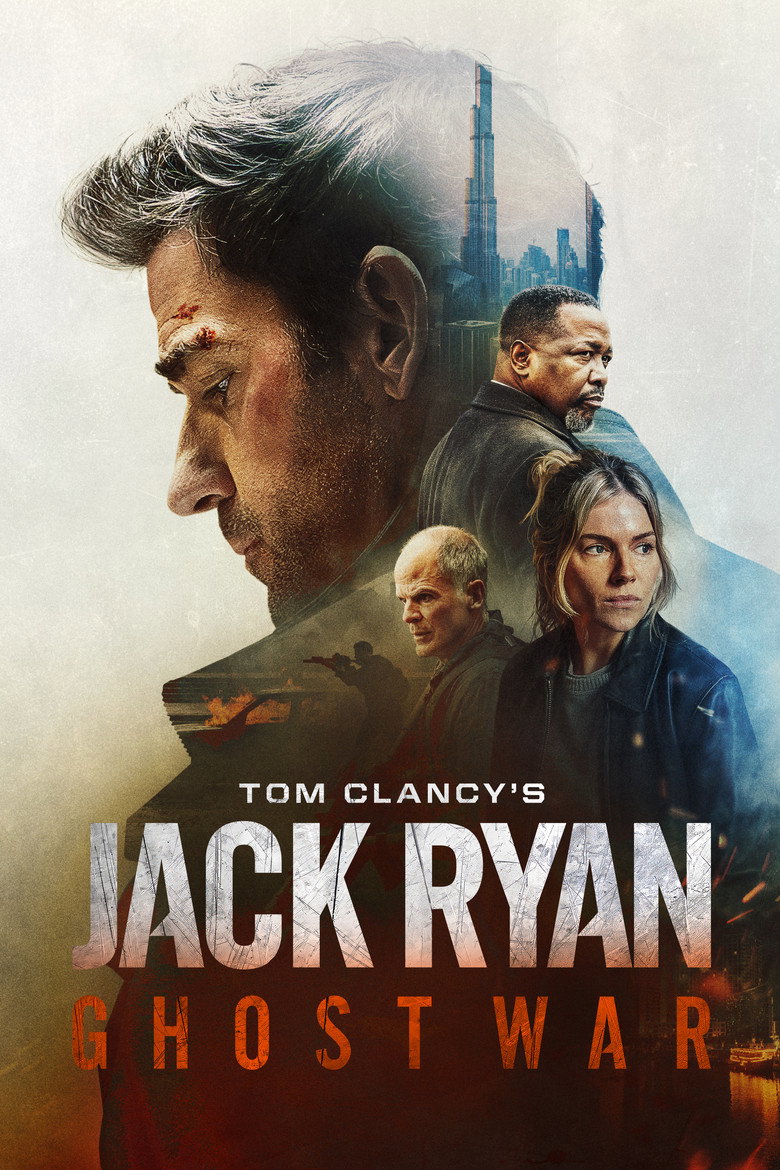
"Jack Ryan is reluctantly pulled back into espionage when an international covert mission unravels a deadly conspiracy. Racing against time, he joins CIA allies Mike November & James Greer and sharp MI6 officer Emma Marlowe to battle a rogue black-ops unit in a high-stakes, deeply personal fight."
Deconstructing the Shadows: A Critical Analysis of "Tom Clancy's Jack Ryan: Ghost War"
For decades, the Tom Clancy universe has served as a mirror to contemporary geopolitical anxieties. From the Cold War tensions of the late 20th century to the decentralized cyberthreats of the 21st, the character of Jack Ryan has consistently evolved. In Tom Clancy's Jack Ryan: Ghost War, released on May 20, 2026, this evolution reaches a thrilling, introspective, and visually arresting climax. Rather than relying on the traditional jingoism of classic espionage, Ghost War turns its lens inward, delivering a deeply personal and claustrophobic thriller that questions the very machinery of national security. Directed with a razor-sharp focus, the film strips away the invincibility of its heroes, forcing them to confront a threat born from their own system's moral compromises.
Thematic Resonance: The Monsters of Our Own Making
At its core, Ghost War is a film preoccupied with the theme of institutional blowback. The narrative thrust—which sees Jack Ryan reluctantly pulled back into the field to battle a rogue black-ops unit—serves as a metaphor for the unintended consequences of modern foreign policy. These "ghosts" are not foreign agents operating under an enemy flag; they are the highly trained, deniable assets created by Western intelligence agencies. The film brilliantly explores several interconnected themes:
- The Erosion of Moral Clarity: Unlike older Clancy adaptations where the line between good and evil was defined by national borders, Ghost War operates entirely in shades of gray. The rogue unit is a dark mirror to Ryan and his team, posing the uncomfortable question: what happens when those who operate in the shadows decide they no longer need the light of democratic oversight?
- The Cost of the "Long Game": Through the weary eyes of James Greer and the cynical pragmatism of Mike November, the movie examines the psychological toll of a lifetime spent in covert warfare. The "war" of the title is not just the physical conflict on screen, but the quiet, ongoing battle to retain one's humanity amidst endless deception.
- The Fragility of Alliances: The introduction of MI6 officer Emma Marlowe highlights the transactional nature of modern intelligence. The partnership between the CIA and MI6 is not built on mutual trust, but on shared desperation, illustrating how easily global security can fracture when self-interest takes precedence.
Visual Sovereignty: Cinematography and Atmospheric Tension
The cinematography of Ghost War is arguably its most striking achievement. The Director of Photography rejects the flat, brightly lit aesthetics of contemporary action cinema in favor of a moody, high-contrast visual palette that recalls 1970s paranoia thrillers like Three Days of the Condor and All the President's Men. The camera work is deliberately designed to evoke a sense of constant surveillance and psychological isolation.
The film employs a dual visual style to contrast the different worlds Ryan inhabits. In the sterile, glass-and-steel corridors of intelligence headquarters, the camera is locked down, utilizing wide-angle lenses and cool, blue-toned fluorescent lighting to emphasize the cold, calculating nature of the bureaucracy. However, when the action shifts to the field—ranging from rain-slicked London backalleys to desolate Eastern European industrial complexes—the cinematography transitions to a restless, handheld style. Warm, amber streetlights and deep, ink-black shadows dominate these sequences, visually swallowing the characters and reinforcing the idea that they are operating in an unstable, lawless vacuum.
One standout sequence features a tense, silent confrontation inside a decaying safehouse. The lighting is almost entirely diegetic, provided by the flickering glow of computer monitors and passing car headlights outside. The camera moves with a predatory slow-drift, mimicking the perspective of the rogue operatives hunting our protagonists. By keeping the audience in the dark—both literally and figuratively—the film elevates simple suspense into a masterclass of atmospheric dread.
The Ensemble: Gravitas, Weariness, and New Blood
The success of any Jack Ryan adaptation hinges on the humanity of its lead. John Krasinski delivers his most mature performance as Ryan to date. No longer the naive analyst or the energetic field operative, Krasinski’s Ryan in Ghost War is a man visibly weighed down by the scars of his past. He plays Ryan with a subdued, quiet intensity; his heroism is defined not by bravado, but by a dogged, exhausting sense of duty. Krasinski excels in the quiet moments—the heavy sighs before a door is breached, the subtle micro-expressions of betrayal when he realizes the conspiracy runs all the way to Langley.
The supporting cast provides the perfect counterweights to Krasinski’s weary moral center:
- Wendell Pierce as James Greer: Pierce remains the emotional anchor of the franchise. Facing his own physical limitations and the bureaucratic rot of the agency he dedicated his life to, Pierce infuses Greer with a tragic, dignified gravitas. His chemistry with Krasinski is palpable, representing a bond forged in fire that serves as the film’s moral compass.
- Michael Kelly as Mike November: Kelly provides the film's necessary pragmatic edge. As November, he balances cynicism with loyalty, delivering sharp, dry dialogue that punctures the high-stakes tension. Kelly's performance ensures that the team’s tactical decisions feel grounded in the harsh realities of black-ops survival.
- Emma Marlowe as the MI6 Foil: The addition of Marlowe is a masterstroke. She is written not as a love interest or a sidekick, but as an intellectual equal whose methods are colder and more calculated than Ryan’s. Her presence challenges Ryan’s American-centric worldview, creating an electric professional friction that drives the second act forward.
Conclusion: A Defining Chapter in Modern Espionage Cinema
Tom Clancy's Jack Ryan: Ghost War is more than a standard action-thriller; it is a sophisticated autopsy of the modern security state. By eschewing mindless spectacle in favor of complex character dynamics, thematic depth, and a masterful visual design, the film stands as a high-water mark for the franchise. It understands that the most terrifying threats are not the ones that come from across the ocean, but the ones we create in our own backyards. In a cinematic landscape saturated with superficial blockbusters, Ghost War dares to be smart, somber, and deeply unsettling—a ghost story that haunts the viewer long after the credits roll.