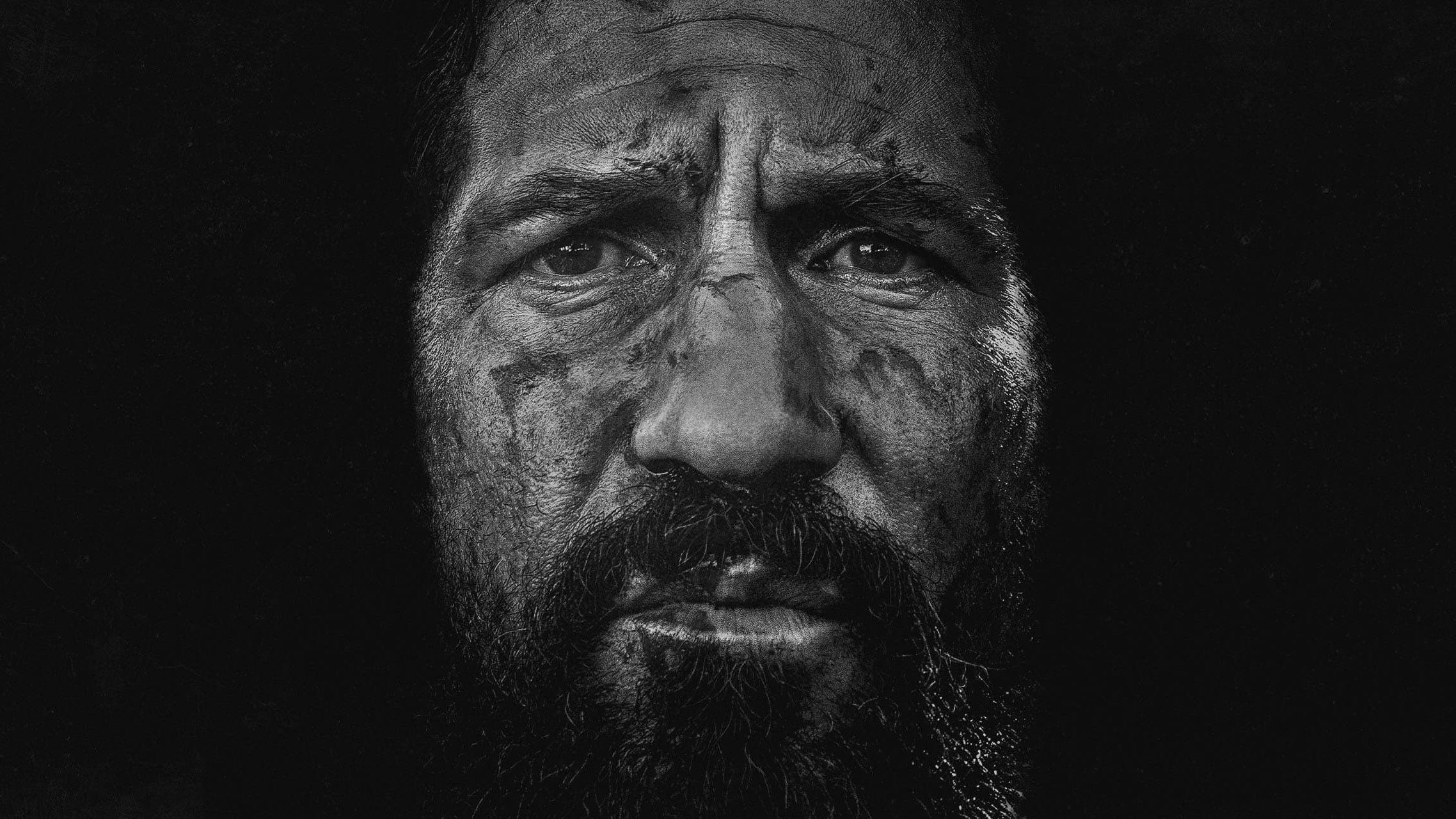
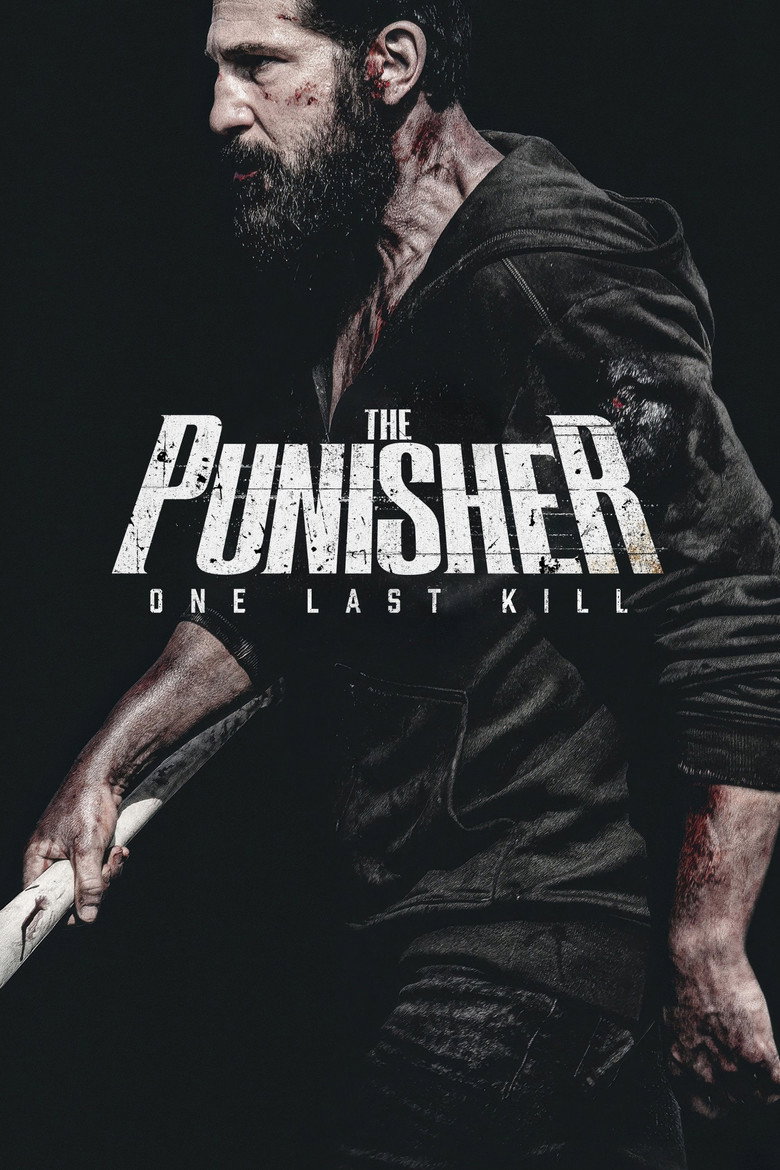
The Punisher: One Last Kill
"As Frank Castle searches for meaning beyond revenge, an unexpected force pulls him back into the fight."
A Twilight Requiem for the Icon of Vengeance: An Analytical Review of The Punisher: One Last Kill
For decades, the character of Frank Castle has existed as a stark, monochromatic anomaly within the brightly colored tapestry of comic book adaptations. He is a figure defined not by heroism, but by an uncompromising, self-destructive pathology. In Jeremy Saulnier’s brilliant, devastating The Punisher: One Last Kill (released May 12, 2026), this pathology is subjected to a profound autopsy. Rather than offering another retread of the standard revenge narrative, the film courageously asks a question that previous adaptations have feared to articulate: what happens to a man built for war when the war is over, yet his soul refuses to declare peace? The result is an elegiac, bone-bruising masterpiece that stands alongside Logan and Unforgiven as a definitive deconstruction of violence and its ultimate cost.
Thematic Architecture: The Burden of Legacy and the Trap of the Icon
At its core, One Last Kill is a thematic investigation into the futility of vengeance and the terrifying gravity of myth. When the film opens, we find a graying, physically diminished Frank Castle living in stoic anonymity in the decaying rust belt of Ohio. He is no longer hunting; instead, he is engaged in the agonizing process of trying to exist. The narrative catalyst is not a personal tragedy of his own, but rather a structural threat: the rise of a radicalized, militarized extremist group known as "The Aegis," who have co-opted the iconic white skull stencil to justify their own systemic, state-sanctioned atrocities. This "unexpected force" pulls Frank back into the arena, not out of a desire to kill, but out of a desperate, moral obligation to destroy his own legacy.
The film masterfully explores several interconnected thematic threads:
- The Co-optation of the Symbol: The film directly confronts the real-world and in-universe appropriation of the Punisher symbol. By showing a corrupt privatized militia wearing his skull, the narrative forces Frank to reckon with the fact that his private war has not cleansed the world of evil, but has instead provided a blueprint for it.
- The Illusion of Sanctuary: Frank’s attempt to find "meaning beyond revenge" through menial labor and quiet isolation is depicted not as peace, but as a form of sensory deprivation. The film argues that for men fractured by extreme trauma, peace is an active, terrifying struggle, whereas violence is an easy, comforting regression.
- The Cycle of Radicalization: Through the character of Caleb Stone (played with chilling, fanatic energy by Harris Dickinson), a young veteran who idolizes Castle, the movie explores how trauma is weaponized across generations. Caleb is who Frank might have been had he lacked a personal moral compass, serving as a monstrous mirror to the protagonist.
Visual Language: The Cinematography of a Rotting Americana
To capture this twilight chapter, director Jeremy Saulnier reunites with cinematographer Jarin Blaschke, delivering a visual style that is utterly devoid of blockbuster gloss. Shot primarily on large-format digital cameras with vintage anamorphic lenses, the film possesses a tactile, heavy, and wet texture. The color palette avoids the hyper-saturated comic book hues of contemporary cinema, opting instead for a bruised, naturalistic spectrum of oxidized iron, stagnant river greens, muddy browns, and the sickly amber of sodium-vapor streetlights.
Blaschke’s camera work is characterized by its deliberate restraint. Action sequences are not shot with the frantic, hyper-edited choreography of modern martial arts cinema; instead, they are captured in agonizingly long, medium-wide takes that emphasize the sheer physical exhaustion of the combatants. When Frank fights, we feel the weight of his age. Every punch thrown carries a physical consequence; the camera lingers on the heavy breathing, the slipping on blood-slicked concrete, and the desperate, ungraceful scramble for survival.
Furthermore, the visual metaphor of decay is woven into every frame. The environments—abandoned steel mills, half-flooded suburban developments, and desolate highway diners—reflect Frank’s internal state. The framing constantly traps Castle within oppressive architectural geometries, utilizing heavy shadows and low-key lighting to suggest that even in the open air, he is still confined within the tomb of his own making. The iconic skull logo is rarely illuminated clearly; it is almost always obscured by shadow, dirt, or blood, visually reinforcing the film's theme of a corrupted and fading legacy.
Acting and Characterization: Bernthal’s Magnum Opus
Jon Bernthal’s portrayal of Frank Castle has always been lauded for its intensity, but in One Last Kill, he delivers a performance of astonishing depth and vulnerability that transcends the genre entirely. Bernthal plays Castle as a man who is physically and spiritually hollowed out. He speaks in a low, gravelly rasp, his words rationed as if speech itself requires an expenditure of energy he can ill afford. The manic, primal screaming that characterized his younger years has been replaced by a heavy, suffocating silence.
Bernthal excels in the quietest moments of the film. A scene in a diner where he silently struggles to use a fork due to his severely arthritic, scarred hands is more heartbreaking than any monologue. When he is finally forced to don the skull armor once more, Bernthal does not play it as a moment of triumph; his expression is one of profound defeat and self-loathing. It is the face of a clean addict reaching for the needle again, knowing it will destroy him, but helpless against the pull.
The supporting cast provides excellent foils to Bernthal’s quiet gravity:
- Harris Dickinson (Caleb Stone): Dickinson is terrifyingly charismatic as the leader of The Aegis. He represents the intellectualization of violence, contrastive to Frank’s purely emotional, reactive nature. His scenes with Bernthal crackle with an ideological tension that is far more compelling than their physical confrontations.
- Gaby Hoffmann (Dr. Sarah Carter): As a trauma counselor at a local VA clinic who attempts to anchor Frank to humanity, Hoffmann brings a warm, desperately needed empathy to the film. She serves as the audience's surrogate, viewing Frank not as a mythic vigilante, but as a deeply sick, suffering human being who deserves help.
The Climax: Deconstructing the "Last Stand"
The third act of One Last Kill subverts the traditional action movie climax in a way that is bound to be controversial, yet is artistically flawless. The inevitable confrontation between Frank and the Aegis militia does not take place in a grand, cinematic fortress, but in a flooded, half-demolished housing estate. The violence is brutal, unglamorous, and incredibly intimate. There are no clever quips or triumphant musical swells; the sound design strips away the score entirely, leaving only the deafening, terrifying crack of gunshots, the squelch of mud, and the agonizing groans of the wounded.
When the dust clears, the film denies the audience the simple catharsis of a clean victory. Frank’s triumph is not in killing his enemies, but in his refusal to let Caleb Stone become him. The final confrontation is resolved not through a bullet, but through a devastating act of physical and emotional disarmament. It is a sequence that redefines the character of the Punisher, suggesting that his ultimate act of vengeance is actually an act of radical, painful mercy—destroying the myth of the Punisher so that others do not have to die in its name.
Conclusion
The Punisher: One Last Kill is a monumental achievement in comic book cinema. It is a film that respects the history of its character enough to allow him to grow, age, and ultimately change. Through Jeremy Saulnier’s uncompromising direction, Jarin Blaschke’s haunting cinematography, and Jon Bernthal’s career-best performance, the film transforms a pulp vigilante into the subject of a profound American tragedy. It is a dark, challenging, and deeply moving cinematic experience that proves that sometimes, the most heroic thing a monster can do is lay down its teeth.