The Devil Wears Prada
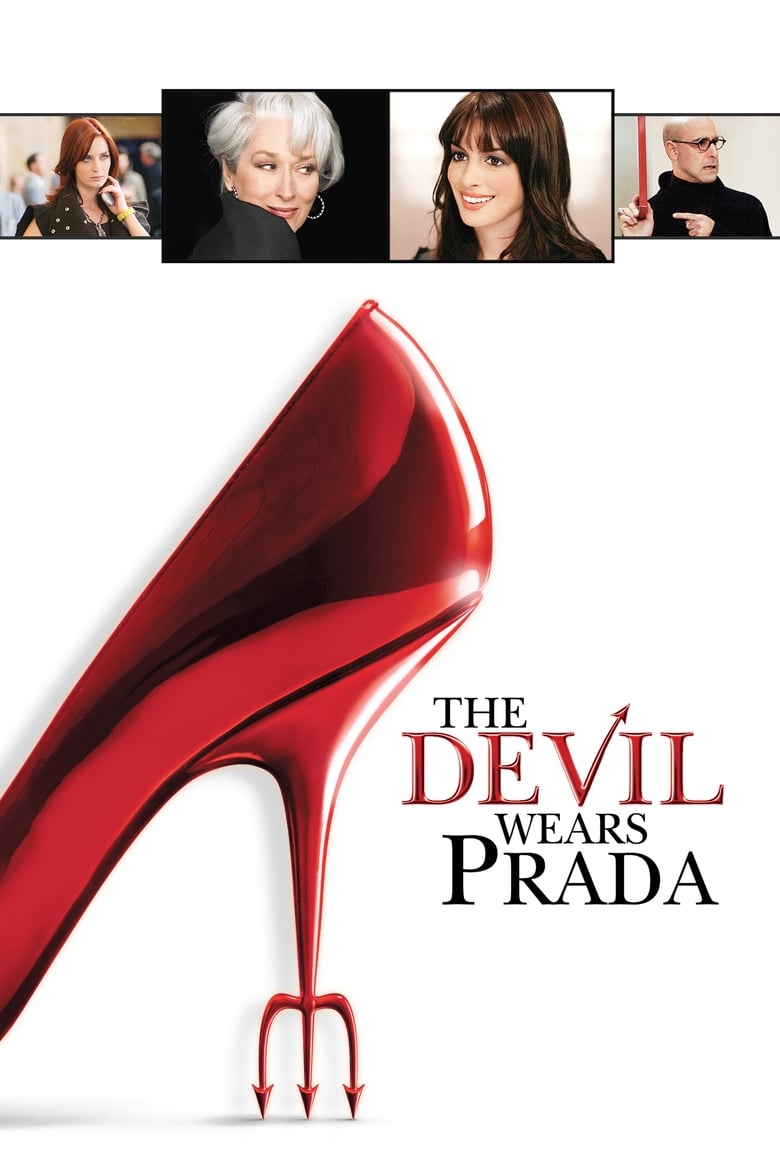
"A young woman from the Midwest gets more than she bargained for when she moves to New York to become a writer and ends up as the assistant to the tyrannical, larger-than-life editor-in-chief of a major fashion magazine."
The Velvet Guillotine: Power, Identity, and the Cost of Style in "The Devil Wears Prada"
On its surface, David Frankel’s The Devil Wears Prada (2006) masquerades as a glossy, mid-2000s studio comedy about the superficiality of the high-fashion world. However, beneath its chic exterior lies a remarkably sharp, Faustian corporate fable. The film transcends its genre by offering a biting critique of institutional power, the erosion of personal identity under the guise of professional ambition, and the complex gender dynamics governing high-stakes industries.
The Faustian Bargain and the Price of Assimilation
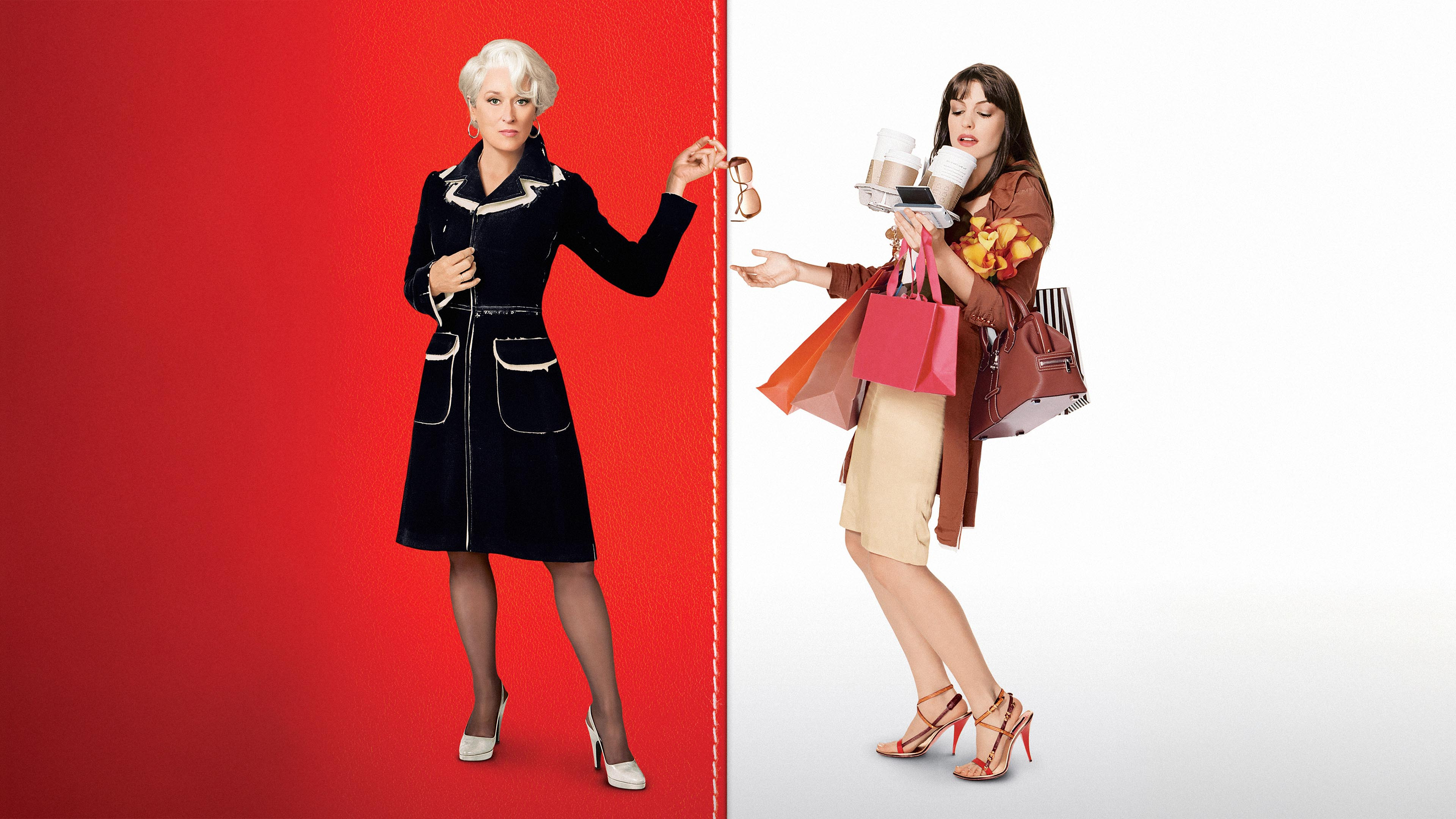
At the core of the film is a profound exploration of identity. Andy Sachs (Anne Hathaway) enters the offices of Runway magazine with intellectual disdain, viewing her role as a assistant as a mere stepping stone. Yet, the narrative masterfully charts her slow, insidious assimilation. The thematic weight is carried not by her failures, but by her successes. As Andy becomes more adept at anticipating the demands of the tyrannical Miranda Priestly (Meryl Streep), she systematically sheds her personal relationships, her ethics, and her sense of self. The film posits a chilling question: At what point does "doing your job" morph into losing your soul?
- The Illusion of Choice: Highlighted in the iconic "cerulean sweater" monologue, which brillianty deconstructs the illusion of free will in a consumerist society, proving that even those who claim to stand outside the system are dictated by it.
- The Gendered Double Standard of Power: The film subtly addresses how Miranda’s exacting, ruthless management style is branded as "monstrous," whereas a male counterpart would simply be labeled "demanding" or "decisive."
- The Commodification of Self: Andy’s physical transformation is not a standard makeover montage of empowerment, but a uniform required to survive a hostile corporate ecosystem.
A Masterclass in Understated Tyranny and Vulnerability
The film’s critical gravity is anchored by Meryl Streep’s legendary, Oscar-nominated performance. Streep famously chose to play Miranda not with theatrical histrionics, but with a quiet, menacing whisper. This soft-spoken delivery forces everyone in her orbit to strain to hear her, instantly establishing an absolute power dynamic. Streep injects a fragile, humanizing loneliness into Miranda during the hotel scene in Paris, preventing her from becoming a caricature. Opposite her, Anne Hathaway delivers a highly effective, grounded performance, serving as the audience's moral compass. Her transition from clumsy outsider to polished insider is subtle and physically expressive. Emily Blunt, as the neurotic Emily Charlton, provides a tragicomic portrayal of the psychological toll of corporate devotion, serving as a cautionary tale of what Andy could become.
Visual Contrast and the Cinematography of Isolation
Cinematographer Florian Ballhaus uses visual language to reinforce the film's thematic divides. The early scenes in Andy’s Brooklyn apartment are warm, cluttered, and shot with naturalistic, slightly chaotic handheld movements, representing her authentic but unpolished life. In contrast, the offices of Runway are captured with cold, clinical precision. Ballhaus utilizes symmetrical framing, hard fluorescent lighting, and long, intimidating corridors that mimic a high-fashion runway but feel increasingly like a panopticon. The camera frequently positions Miranda at low angles to emphasize her looming, god-like authority, while Andy is often framed through glass partitions and reflections, underscoring her sense of entrapment and the fragmentation of her identity.
Conclusion: More Than a Fashion Statement
Ultimately, The Devil Wears Prada endures because it refuses to offer easy moralizing. By the time Andy walks away from her phone in Paris, the film has acknowledged the genuine allure of Miranda’s world—the artistry, the influence, and the sheer excellence required to exist within it. It remains a seminal work of 21st-century popular cinema, proving that a film about fashion can be a deeply compelling, visually sophisticated dissection of modern ambition.