MORTAL KOMBAT
Archive Entry No. 2021-PR
The Liturgy of the Flesh: Violence as Kinetic Poetry
The Architecture of Ice and Blood
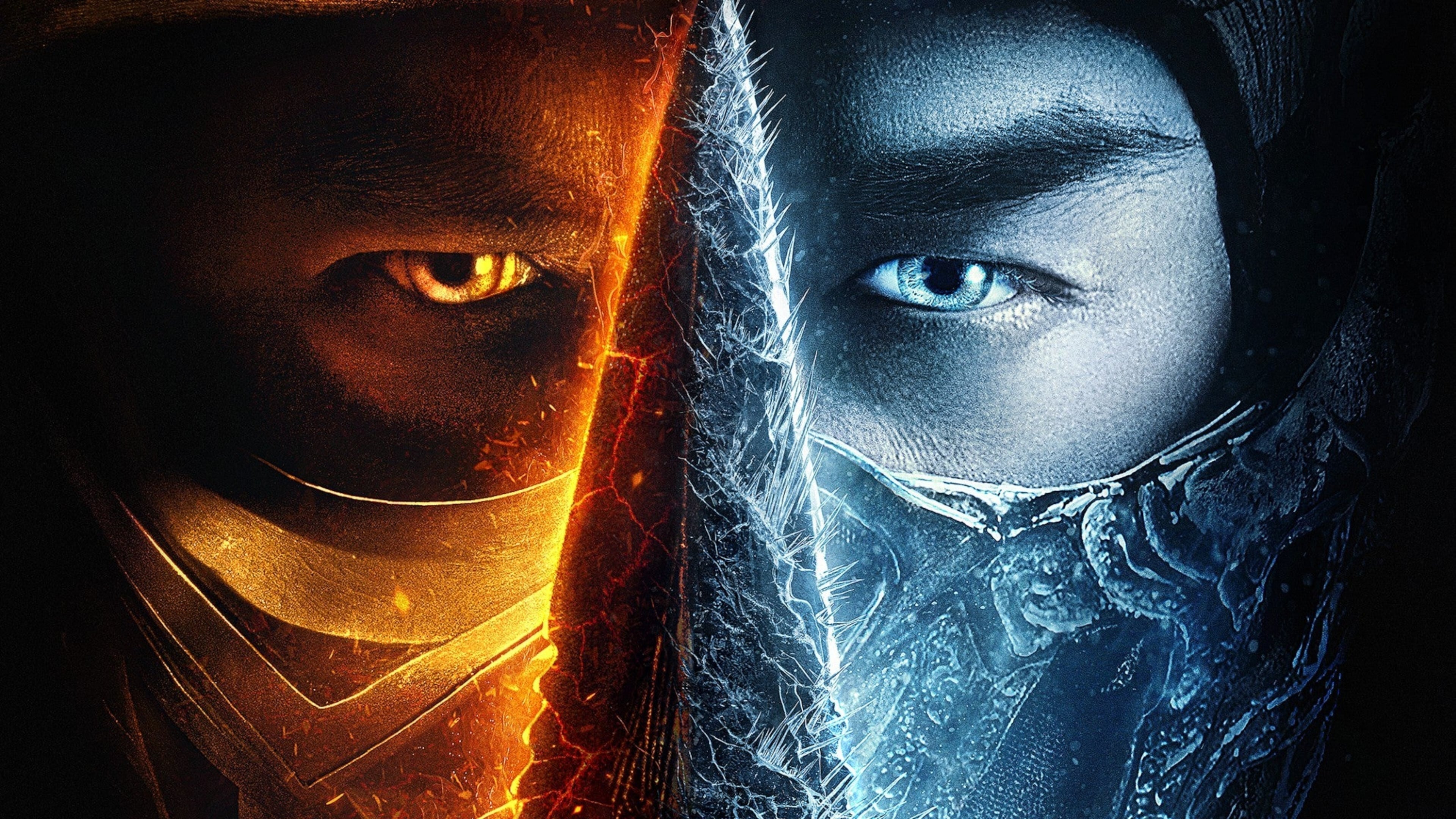
In director Simon McQuoid’s vision, Mortal Kombat transcends its arcade origins to become a baroque study in kinetic violence. The film treats the human body not merely as a vessel for narrative, but as a canvas of vulnerability and cosmic design. Nowhere is this more apparent than in the chilling presence of Sub-Zero (Joe Taslim). His cryomancy is not presented as a mere visual effect, but as an atmospheric dread—a creeping, crystalline manifestation of death itself. When Sub-Zero freezes the very air, McQuoid utilizes a high-contrast palette where the deep, suffocating blues of ice clash violently with the warm, visceral crimson of arterial spray. This is not gratuitous gore; it is a chiaroscuro of the flesh, a stylized ballet where every shattered limb and severed vein feels heavy with ontological weight.
Arcana and the Externalization of the Soul
At the heart of the film’s metaphysical framework is the concept of "Arcana"—the physical manifestation of a warrior's inner essence. In a cinematic landscape saturated with unearned superhero awakenings, the film’s treatment of this power is refreshing in its cruelty. Arcana is not gifted; it is forged through trauma. Jax’s mechanical arms, Kano’s cybernetic eye, and Cole Young’s golden, kinetic armor are externalized scars of their deepest psychological trials. By tying these supernatural abilities to physical suffering, the narrative elevates the combat from a simple tournament of strength to an outward projection of internal warfare. The battlefield becomes a stage where the soul is violently forced to reveal itself.
The Mythos of the Mundane: Cole Young and the Burden of Lineage
The Cage of the Present
The introduction of Cole Young (Lewis Tan), a washed-up MMA fighter trading his blood for meager paychecks, serves as a brilliant anchor to the film's grander, mythic aspirations. The opening sequence in the dingy, sweat-soaked cage establishes a gritty, tactile reality that stands in stark, ironic contrast to the ancient, god-like forces converging upon him. Cole is a man trapped in the purgatory of the ordinary, unaware that his bruised ribs and fading career are the direct results of a suppressed, royal heritage. This juxtaposition of the mundane and the monumental is the film’s narrative engine; it suggests that beneath the surface of our modern, disenchanted world lies a primordial struggle waiting to reclaim us.
The Ancestral Echo
Cole’s journey is ultimately one of reconciliation with the past. He is the living bridge between the contemporary world and the legendary Shirai Ryu clan. The film’s narrative structure operates on a temporal loop, bookended by the tragic, feudal-era prologue of Hanzo Hasashi (Hiroyuki Sanada) and the modern-day resurrection of his vengeful spirit as Scorpion. When Cole finally unlocks his Arcana, it is not an act of individual triumph, but a surrender to ancestral memory. The climax, which unites Cole and Scorpion in a fiery, cathartic duel against Sub-Zero, is a masterclass in mythic resonance. Here, the film sheds its B-movie skin to reveal a poignant truth: we do not fight to escape our history, but to honor the ghosts who paved the way for our survival.