Mortal Kombat II

Release Year: 2026
The Fatalistic Spectacle: Deconstructing Mortal Kombat II
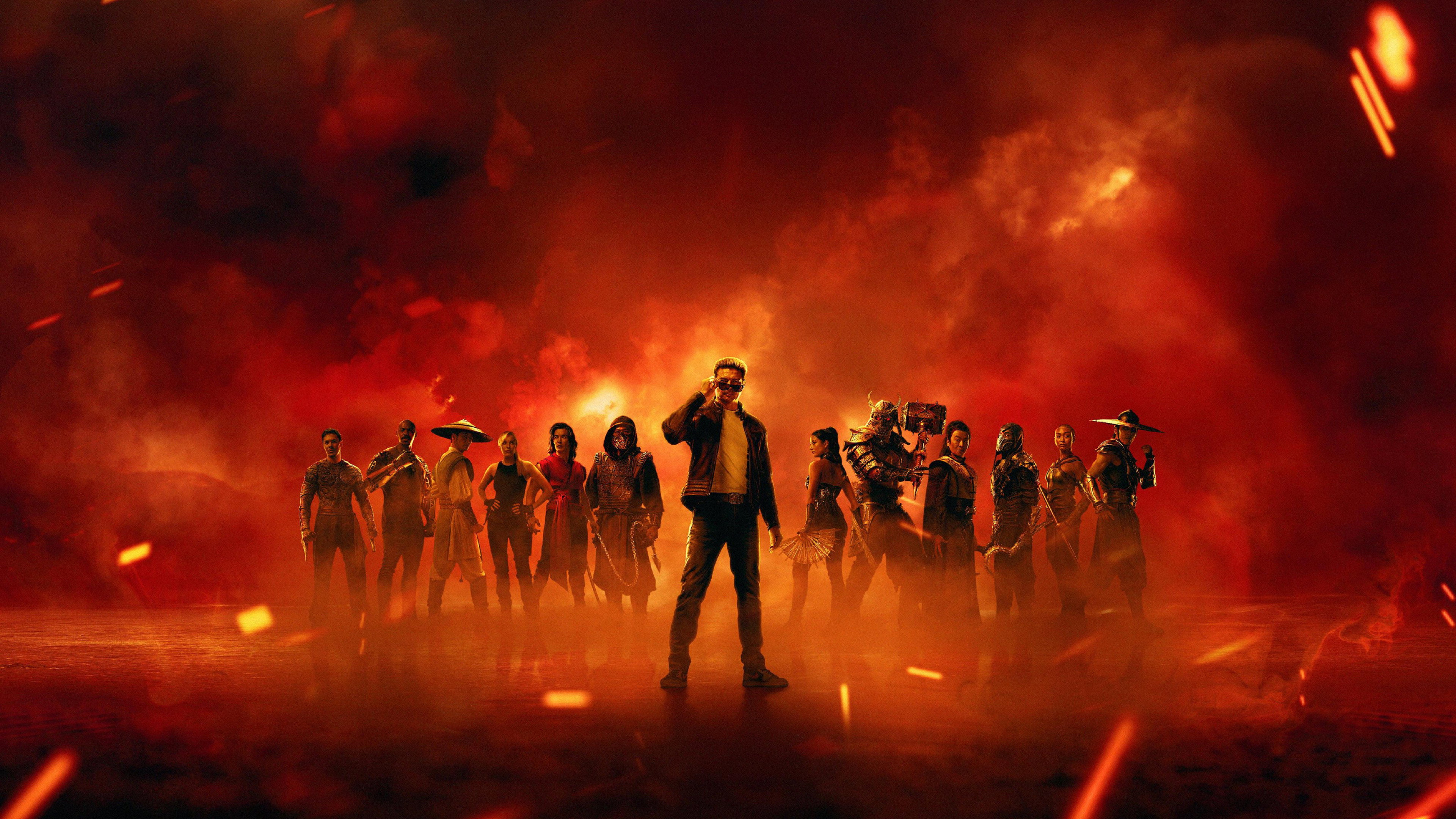
As a cinematic artifact, the video game adaptation has evolved from the neon-soaked, campy excesses of the 1990s into a multi-million-dollar exercise in mythmaking. Mortal Kombat II, the highly anticipated sequel to the 2021 reboot, stands at the precipice of this evolution. Directed with a keen eye for visceral choreography, the film attempts to balance the sacred lore of the fighting game franchise with the profane demands of modern blockbuster cinema. By introducing the meta-textual character of Johnny Cage into a narrative threatened by the apocalyptic tyranny of Shao Kahn, the film becomes a fascinating study in tonal friction and hyper-real violence.
Thematic Analysis: Ego, Destiny, and the Commodification of Violence
At its core, Mortal Kombat II grapples with the tension between ancient destiny and modern individualism. While the first film established its champions as reluctant vessels of ancestral duty, the sequel disrupts this solemnity through the introduction of Johnny Cage. Cage represents the ultimate deconstruction of the action hero—a self-absorbed Hollywood star thrust into a cosmic war where his celebrity currency is worthless. This juxtaposition serves a dual thematic purpose:
- The Meta-Critique of Spectacle: Cage’s presence critiques our own consumption of violence as entertainment, mirroring the audience's demand for "Fatalities" with his hunger for box-office validation.
- The Burden of Legacy: Opposing him is Shao Kahn, an authoritarian archetype representing absolute, unchecked power. The conflict shifts from a mere tournament to an existential battle between Kahn’s imperialist assimilation and Earthrealm’s chaotic, individualistic freedom.
Visual Style: The Aesthetic of the 'Fatality'
Visually, the film transitions away from the gritty, grounded realism of its predecessor’s first act, embracing a lavish, high-fantasy gothic aesthetic. The cinematography utilizes a high-contrast color palette—deep crimson blood splatters contrasting against the cold, decaying blues and obsidian stone of Outworld. The camera is rarely static; it mimics the side-scrolling perspective of the games during key skirmishes before diving into slow-motion, anatomical close-ups during moments of extreme violence. This "gore-as-art" approach elevates the film’s signature Fatalities from mere shock value to a stylized, almost operatic celebration of physical destruction, echoing the grand guignol theater of past centuries.
Critical Verdict: A Triumph of Camp and Kineticism
Is Mortal Kombat II a masterpiece of high cinema? No. But as a genre exercise, it is a remarkably self-aware and visually arresting piece of entertainment. It succeeds because it does not apologize for its absurd premise; instead, it leans into the camp elements brought by Johnny Cage while treating the martial arts choreography with the reverence of classic Hong Kong cinema. The narrative occasionally buckles under the weight of its massive roster, sacrificing deeper character development for the sake of the next set-piece. However, for a film whose primary objective is to translate the tactile joy of a fighting game to the silver screen, it delivers with brutal efficiency.
Conclusion
Ultimately, Mortal Kombat II secures its place in cinema history as a high-water mark for video game adaptations. By marrying the mythic gravity of Shao Kahn’s threat with the self-referential humor of Johnny Cage, the film crafts a cinematic experience that is both a bloody love letter to the fans and a thrilling, visually spectacular ride for the uninitiated. It proves that with the right balance of reverence and self-awareness, even the most violent of games can find its soul on the big screen.