Apex
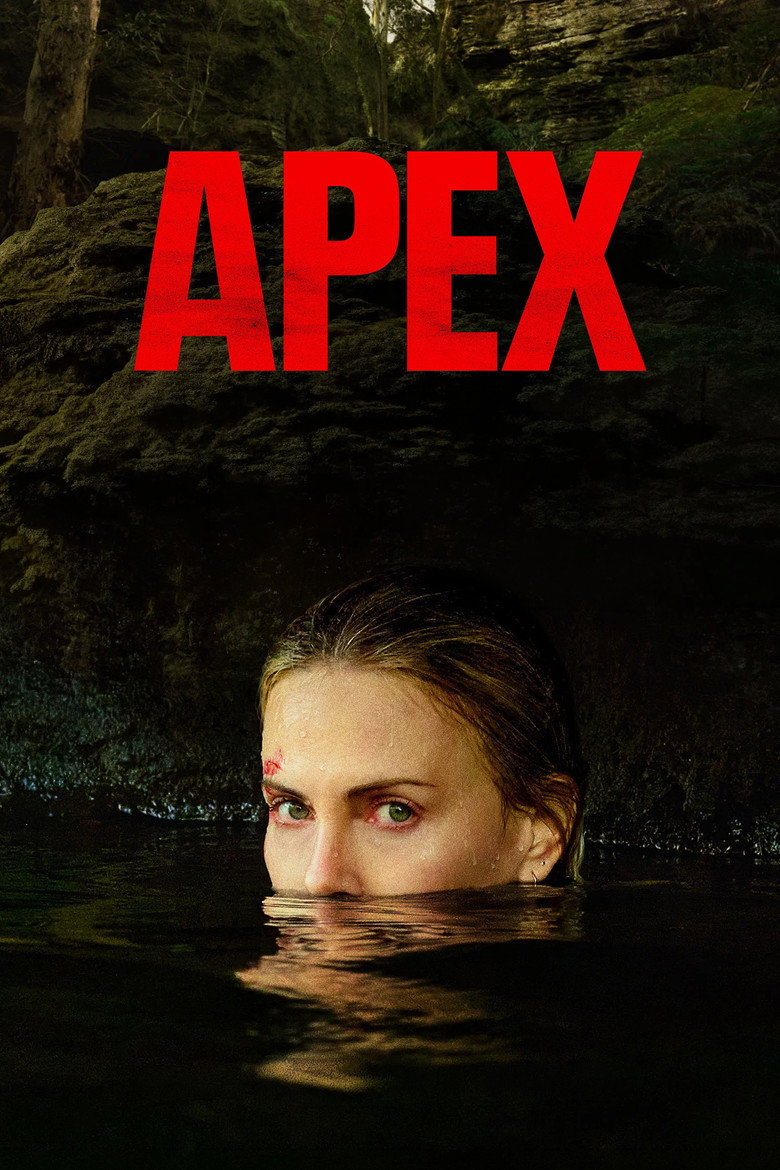
Released: 2026
Cinematic Context
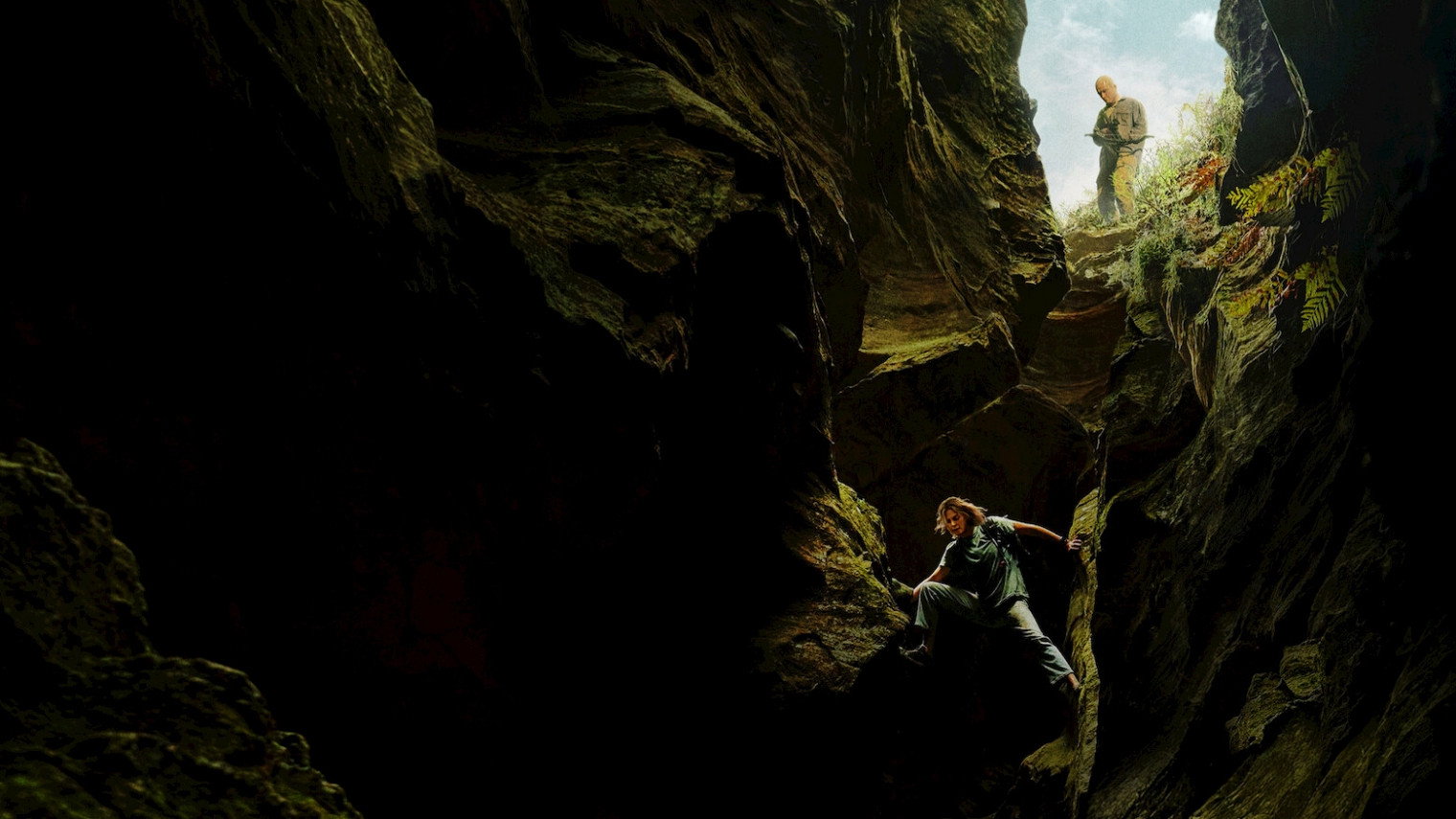
In the pantheon of survival cinema, the Australian Outback has long served as a premier crucible for human endurance. From the sweaty, psychological dread of Wake in Fright to the brutal pragmatism of modern Ozploitation, the bush is less a setting and more an active, indifferent antagonist. Directorially, Apex positions itself precisely at this intersection of environmental hostility and psychological trauma. The film follows a grieving protagonist who seeks solace in the isolating vastness of the Australian wilderness, only to find herself targeted by a sadistic hunter. Rather than relying on the campy tropes of late-night slasher fare, Apex elevates its cat-and-mouse premise into a solemn, existential battle. It is a film that understands that before one can survive an external predator, they must first choose to survive themselves.
Narrative Architecture
At its core, the narrative architecture of Apex is built upon a profound thematic parallel: the relationship between grief and survival. When we first meet our protagonist, her self-imposed exile into the wild is not merely a vacation, but a manifestation of her internal death wish. She is a woman hollowed out by loss, dragging her body through the terrain as if waiting for the earth to swallow her. This emotional paralysis makes her the perfect target for the antagonist—a hunter who views her vulnerability as weakness.
However, the screenplay brilliantly subverts the traditional "damsel in distress" dynamic. The hunter’s intrusion acts as an unexpected catalyst. In forcing her to fight for her life, the narrative forces her to confront her desire to live. The title Apex operates on multiple levels; it refers not only to the literal top of the food chain but also to the emotional peak of the protagonist’s journey. The hunter-prey dynamic becomes a dark mirror. As the film progresses, the protagonist shed her civilized grief, tapping into primal, instinctual reserves. The narrative arc is a beautifully paced inversion of power, demonstrating that the most dangerous animal is one that has nothing left to lose.
Visual Identity & Performance
Visually, Apex is a masterclass in spatial isolation. The cinematographer eschews the lush, romanticized imagery of the Australian bush in favor of a harsh, desaturated palette. The screen is filled with blinding, overexposed whites and dusty ochres, evoking a sensory experience of dehydrating heat and relentless exposure. Wide anamorphic lenses are utilized to dwarf the protagonist against the horizon, emphasizing her insignificance within this vast landscape. This expansive emptiness is contrasted sharply with claustrophobic, handheld close-ups during the hunting sequences, creating a jarring, visceral sense of panic.
This visual tension is anchored by a powerhouse physical performance from the lead actress. With minimal dialogue, she must communicate a complex spectrum of emotion—from paralyzing grief to sheer terror, and ultimately, to cold, calculating resolve. Her performance is deeply somatic; we see her transformation in the tightening of her jaw, the change in her posture, and the desperate, ragged rhythm of her breathing. Opposite her, the antagonist is played with a chilling, understated arrogance. He does not chew the scenery; instead, he moves with the quiet, methodical confidence of a man who believes the natural order is entirely on his side. The chemistry between the two is not born of dialogue, but of movement, shadows, and the deadly geometry of the chase.
Final Verdict
Apex is a lean, relentless, and intellectually stimulating addition to the survival thriller genre. By grounding its high-stakes action in the heavy, authentic soil of human grief, the film avoids the hollow sensationalism that often plagues survival horror. It respects its audience's intelligence, opting for