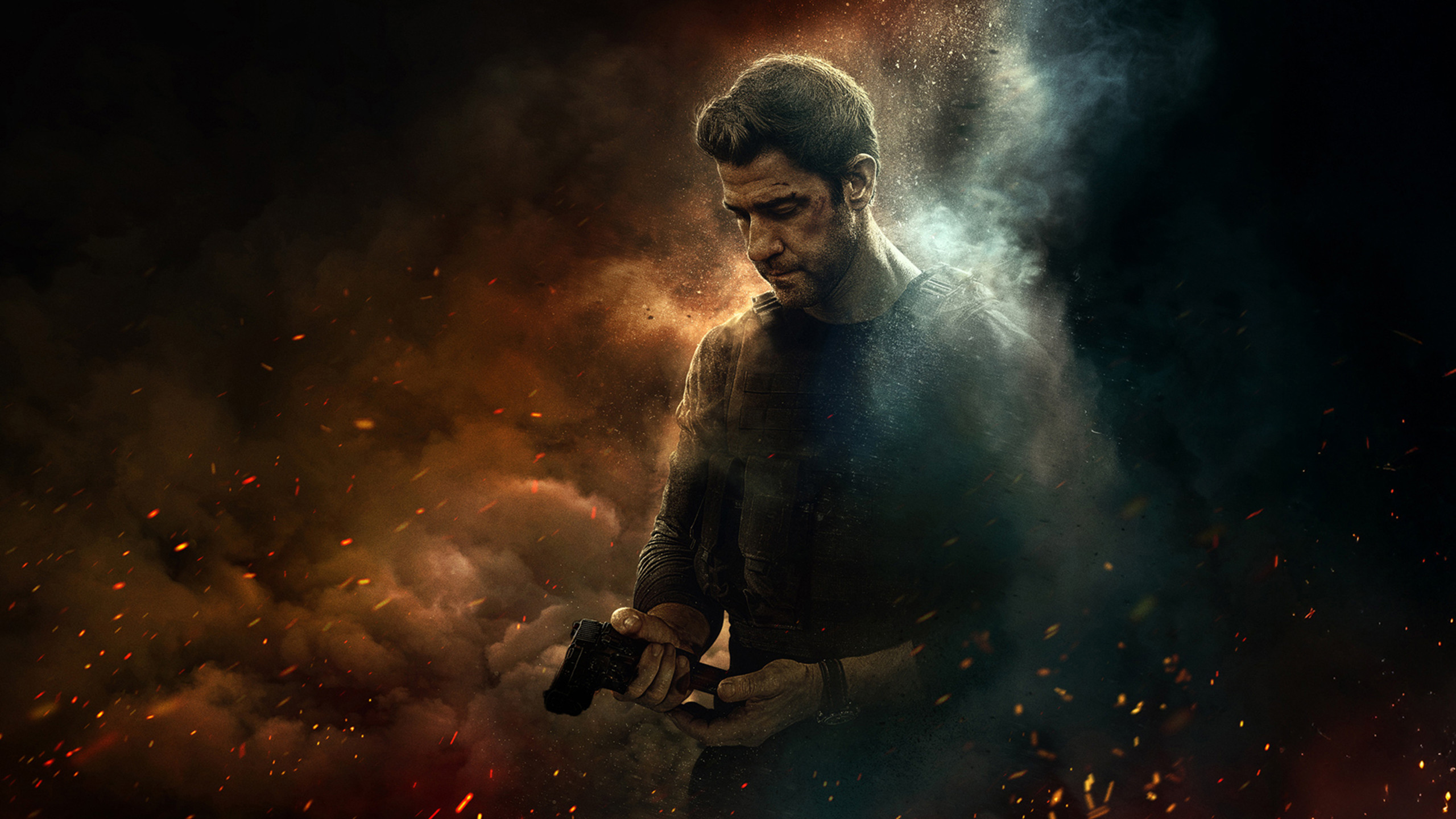
TOM CLANCY'S JACK RYAN: GHOST WAR
Archive Entry No. 2026-PR
The Anatomy of Shadows: Tom Clancy’s Jack Ryan: Ghost War and the Modern Paranoia
In an era defined by fractured alliances and algorithmic warfare, Tom Clancy’s Jack Ryan: Ghost War arrives in theaters not merely as a high-octane espionage thriller, but as a somber, intellectually demanding meditation on the erosion of institutional trust. Released on May 20, 2026, the film transcends the typical jingoistic trappings of the Clancy legacy, opting instead for a cold, clinical dissection of modern geopolitics. Jack Ryan is once again dragged from the quietude of analysis into the visceral chaos of the field, confronting a rogue black-ops unit that feels less like a comic-book threat and more like a terrifyingly plausible symptom of privatized statecraft.
A Symphony of Claustrophobia and Scale
Visually, Ghost War is a masterclass in tension, offering a cinematic experience that is both expansive and deeply claustrophobic. The director employs a deliberate contrast between the sterile, cavernous halls of intelligence headquarters and the chaotic, kinetic energy of its global locales. The cinematography utilizes a muted, almost clinical color palette—steely blues, slate grays, and harsh fluorescent whites—which mirrors the moral ambiguity of its characters. Rather than relying on the frenetic, hyper-edited action sequences that have plagued the genre for a decade, the film favors long, sustained takes that build an almost unbearable sense of dread. When the violence erupts, it is sudden, brutal, and unromanticized, forcing the audience to confront the physical and psychological toll of espionage.
Intellectual Gravitas and Fractured Alliances
At the heart of this narrative engine is the cast’s exceptional synergy. The portrayal of Jack Ryan anchors the film; he is played not as an invincible superhero, but as a deeply fatigued intellectual burdened by the weight of his own conscience. His reluctance is palpable, a quiet desperation that contrasts beautifully with the cynical pragmatism of Mike November and the weary, paternal gravitas of James Greer. The chemistry between these veterans is seasoned and effortless, conveying years of unspoken trauma and shared history.
The true catalyst for the film's dramatic tension, however, is the introduction of MI6 officer Emma Marlowe. Marlowe is written and performed with a razor-sharp intellect that challenges Ryan’s traditional methodologies. The ideological friction between Marlowe’s cold British pragmatism and Ryan’s lingering American idealism provides some of the film's most compelling dialogue. Together, this quartet forms a makeshift family bound not by sentimentality, but by a shared, terrifying understanding of the stakes. The acting is understated across the board, prioritizing micro-expressions and tense silences over theatrical monologues.
The Ghost in the Machine: Mirroring 2026
What elevates Ghost War from a well-executed genre exercise to a significant cultural artifact is its profound resonance with our contemporary anxieties. In 2026, as the boundaries between state actors, private military corporations, and cyber-terrorists blur into obscurity, the film’s depiction of a rogue black-ops unit operates as a chilling allegory. It taps into a collective, systemic paranoia: the fear that the mechanisms designed to protect us have become self-sustaining, unaccountable entities operating beyond the reach of democratic oversight. The "ghost war" of the title is not just a conflict fought in the shadows, but a metaphorical battle for the soul of truth in an age of deepfakes and deniability.
Ultimately, Tom Clancy’s Jack Ryan: Ghost War is a triumph of intellectual action cinema. It demands that the audience engage their minds as much as their adrenaline. By refusing to offer easy moral victories or simplistic patriotic resolutions, the film cements itself as a definitive text for our troubled times—a gripping, beautifully shot, and superbly acted thriller that lingers long after the credits roll.