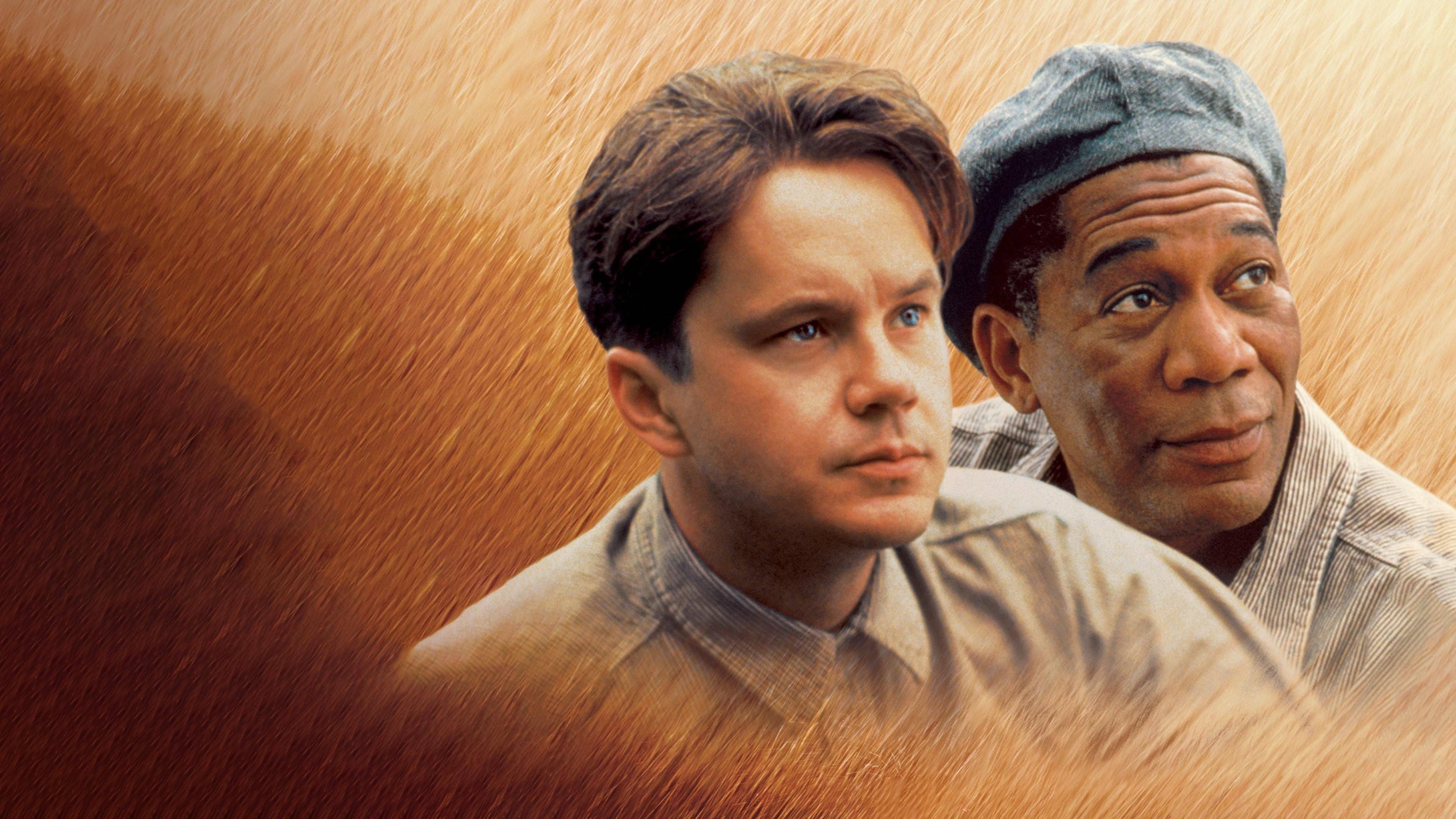
THE SHAWSHANK REDEMPTION
Archive Entry No. 1994-PR
The Triumph of the Human Spirit: A Retrospective on The Shawshank Redemption
The Paradox of Posterity: From Box Office Quietude to Cultural Monolith
Upon its release on September 23, 1994, Frank Darabont’s The Shawshank Redemption did not immediately announce itself as a cinematic titan. Competing in a watershed year alongside flashier cultural phenomena like Pulp Fiction and Forrest Gump, this adaptation of a Stephen King novella quietly slipped through the theatrical cracks, failing to recoup its budget. Yet, the film found its resurrection in the home video market and through relentless cable syndication. Today, as it sits atop the pantheon of global film registries, cinema historians view its legacy not merely as a success story of word-of-mouth distribution, but as a profound testament to the enduring power of classical narrative cinema. The film’s legacy lies in its democratic canonization; it is a masterpiece anointed not by studio mandate or initial critical consensus, but by the collective emotional resonance of audiences over three decades.
The Dialectic of Hope and Institutionalization
At the thematic core of the film is a sophisticated philosophical inquiry into the nature of human freedom and the insidious comfort of captivity. Through the contrasting perspectives of Andy Dufresne (Tim Robbins) and Ellis Boyd "Red" Redding (Morgan Freeman), Darabont explores the psychological phenomenon of institutionalization. Where Red represents the tragic adaptation to confinement—the chilling reality of a mind that has come to love its own cage—Andy serves as the avatar of metaphysical liberty. Hope is framed not as a naive delusion, but as an act of radical defiance. This thematic tension elevates the film beyond a standard prison drama; it becomes an allegory for the human condition, suggesting that the true prison is not the stone walls of Shawshank, but the internal surrender to despair.
The Visual Architecture of Confinement: Deakins’ Timeless Frames
Crucial to the film’s enduring power is the cinematography of Roger Deakins, whose work on Shawshank remains a masterclass in visual storytelling that holds up impeccably today. Deakins eschews flashy, kinetic camera movements in favor of a stately, deliberate visual grammar. The color palette of the film undergoes a subtle, masterful evolution. The early acts are dominated by cold, oppressive grays, institutional blues, and harsh, desaturated light, mirroring the suffocating reality of the inmates. However, as Andy slowly injects hope into the prison—through the library, the Mozart broadcast, and his quiet resistance—Deakins introduces warmer, amber tones and softer, natural light.
The film’s most iconic visual motif—Andy’s emergence from the sewer pipe into the pouring rain—is a transcendent piece of imagery that has lost none of its visceral impact. Deakins captures this moment of baptismal rebirth in a wide, low-angle shot, silhouetting Andy against the lightning-lit sky. This juxtaposition of claustrophobic interiors with expansive, naturalistic exteriors creates a visual rhythm that perfectly mirrors the narrative’s emotional trajectory. Today, in an era dominated by CGI-heavy, flat digital aesthetics, the tactile, celluloid richness of Deakins’ cinematography stands as a monument to the power of light, shadow, and composition.
A Timeless Monument of Classical Cinema
Ultimately, The Shawshank Redemption endures because it is a flawlessly constructed piece of classical Hollywood storytelling. By marrying a deeply humanistic screenplay with Deakins' sublime visual restraint, Darabont created a film that transcends its 1990s origins. It remains a vital, breathing work of art—a cinematic sanctuary that continues to offer solace, redemption, and, above all, hope to successive generations of cinephiles.