THE PUNISHER: ONE LAST KILL
Archive Entry No. 2026-PR
The Sisyphean Tragedy of Frank Castle: A Deconstruction of The Punisher: One Last Kill
In The Punisher: One Last Kill, the filmmakers strip away the hyper-violent exhibitionism of the traditional vigilante genre to expose a bruising, existential truth: what happens to the monster when the war is won, yet the peace remains uninhabitable? Frank Castle has long been defined by the kinetic energy of his wrath. Yet, in this somber, elegiac post-mortem of a character, we find a man trapped in the quiet horror of his own survival. The film operates not as a celebration of vigilante justice, but as a devastating autopsy of it.
The Aesthetics of Exhaustion
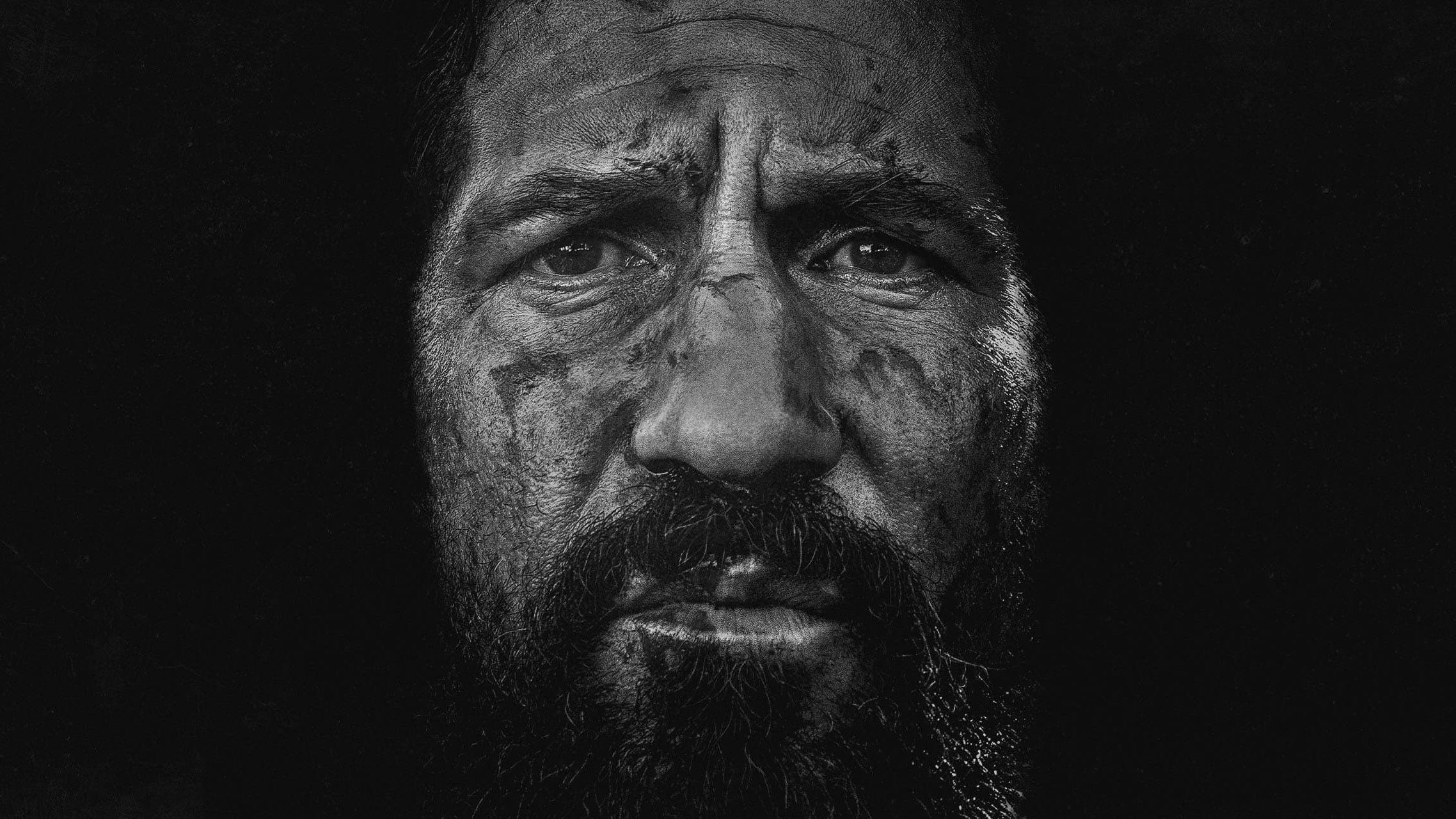
The film’s visual language is steeped in a heavy, atmospheric neo-noir. The cinematography eschews the glossy, high-contrast shadows of contemporary comic book adaptations in favor of a muddy, rain-slicked desaturation. Every frame feels weighed down by gravity. Castle’s physical form is no longer presented as an indestructible engine of war, but as a crumbling monument to trauma. His movements are slow, deliberate, and painful—a physical manifestation of the psychic weight he carries.
When the narrative introduces the "unexpected force"—not a cartoonish supervillain, but a systemic, cyclical corruption that threatens the fragile peace of an innocent surrogate—it does not feel like a heroic call to adventure. It feels like a condemnation. The film masterfully frames this return to violence not as a triumph of the will, but as a relapse into addiction.
The Myth of the Exit
What elevates One Last Kill above its predecessors is its profound skepticism toward the concept of closure. Castle’s search for meaning beyond the grave of his family is portrayed as a Sisyphean struggle. The film brilliantly deconstructs the "one last job" trope by suggesting that for men like Castle, there is no exit strategy. Violence is not a tool he employs; it is the language he speaks, the only medium through which he can interact with a broken world.
The "unexpected force" that pulls him back is ultimately a mirror—a manifestation of the violent vacuum he helped create. By confronting this force, Castle is forced to confront the futility of his life's work. The film suggests that in purging the world of monsters, Castle merely cleared the soil for a more virulent crop to grow.
Thematic Pillars of the Narrative
- The Illusion of Absolution: The film posits that vengeance is a closed loop. The death of his enemies did not bring peace; it merely left Castle alone in the silence of his own ruin, proving that retribution is a poor substitute for redemption.
- The Architecture of Violence: The action sequences are stripped of their kinetic thrill. They are clumsy, brutal, and exhausting affairs, emphasizing the physical and moral cost of every blow struck rather than the spectacle of the kill.
- The Generational Echo: The narrative explores how violence propagates itself, showing how Castle's legacy of blood has inspired a new, terrifying breed of zealotry that he must now dismantle, making him the father of his own tormentors.
An Elegiac Masterpiece
Ultimately, The Punisher: One Last Kill is a haunting, intellectual deconstruction of a mythos. It refuses to give the audience the easy catharsis of a triumphant finale. Instead, it leaves us with a chilling portrait of a soldier who cannot go home because the home he fought for no longer exists within him. It is a masterpiece of deconstructive genre cinema, proving that sometimes the most terrifying thing a killer can face is the prospect of a life without a target.