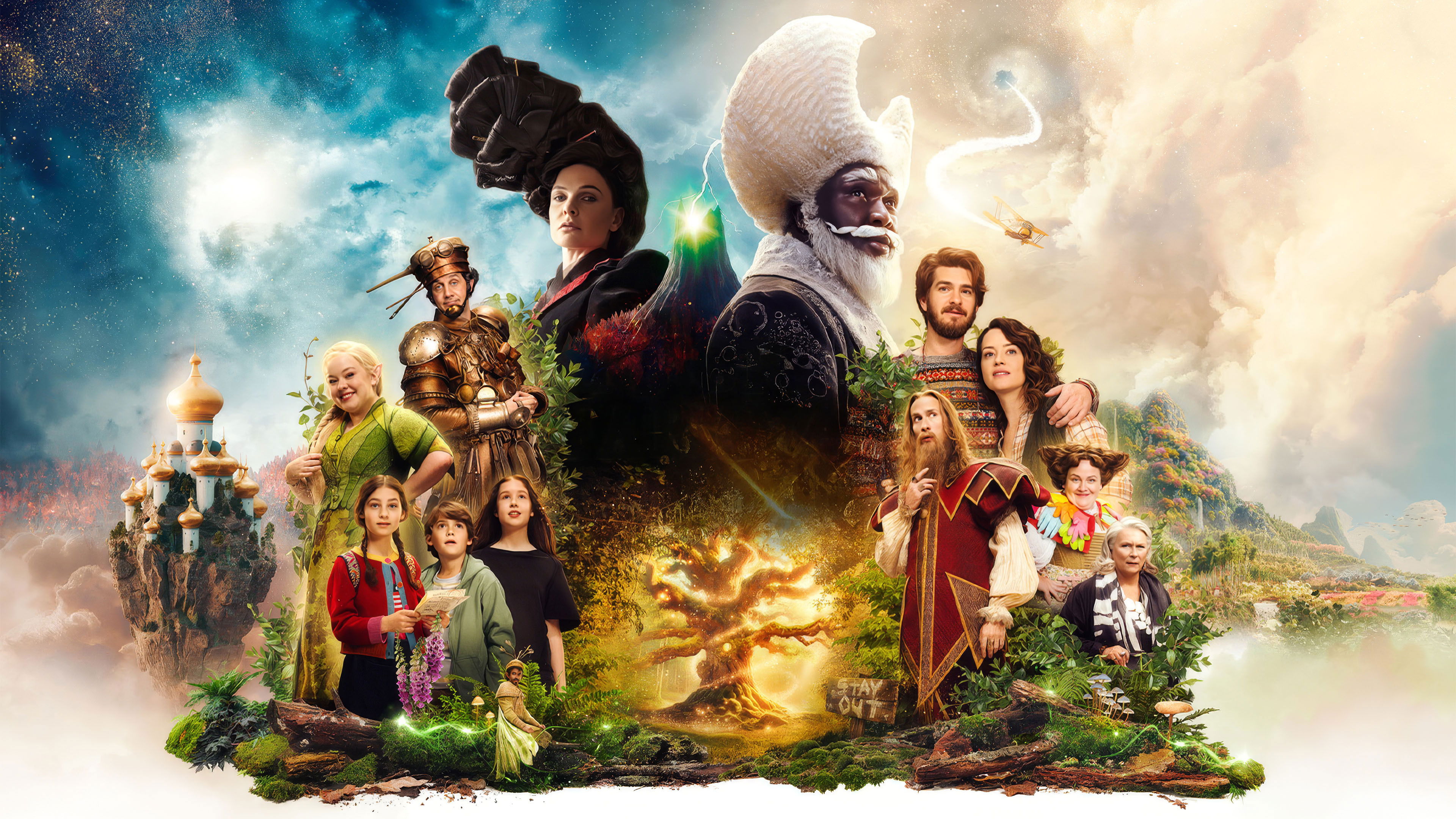
THE MAGIC FARAWAY TREE
Archive Entry No. 2026-PR
On the Horizon: Deconstructing the Anticipation for 'The Magic Faraway Tree'
Scheduled for release on March 26, 2026, the cinematic adaptation of Enid Blyton’s beloved literary cycle, The Magic Faraway Tree, arrives at a critical juncture in contemporary cinema. In an era dominated by hyper-realistic blockbusters and cynical deconstructions of myth, this project promises a return to sincere, transportive wonder. By transplanting a modern family into a pastoral landscape teeming with the surreal, the film positions itself not merely as a nostalgic exercise, but as a potential bellwether for the future of family-centric fantasy.
Nostalgia vs. Modernity: Navigating Audience Expectations
The primary challenge—and indeed the greatest source of anticipation—surrounding The Magic Faraway Tree lies in its negotiation between mid-century literary nostalgia and 21st-century sensibilities. Blyton’s original text, characterized by its episodic whimsy and comforting moral simplicity, must be retrofitted for an audience accustomed to complex narrative arcs. Analysts will be watching closely to see how the screenplay modernizes the family dynamic without eroding the quaint, distinctively British charm of the source material. The expectation is a visual and tonal synthesis akin to the Paddington franchise: a work that respects its heritage while employing a sophisticated, self-aware wit that appeals to both children and cinephiles.
Genre Impact: The Renaissance of Pastoral Fantasy
For the past decade, high fantasy has leaned heavily into the grimdark and the epic, prioritizing existential stakes and geopolitical intrigue. The Magic Faraway Tree signals a welcome pivot toward "pastoral fantasy"—a sub-genre where the magical is localized, intimate, and deeply connected to the natural world. By utilizing the tree as a vertical axis of infinite worlds, the film has the opportunity to redefine how cinematic space is utilized. Rather than horizontal world-building, this film offers a vertical, episodic architecture. If successful, it could ignite a trend of "cozy fantasy" adaptations, proving that modern audiences crave localized, enchanting escapism over CGI-heavy apocalyptic warfare.
Thematic Resonance: The Magical Portal as Family Therapy
At its core, the premise of a modern family relocating to the countryside speaks to a contemporary anxiety: the fragmentation of the familial unit in an increasingly digital, alienated world. The Faraway Tree, with its eccentric residents and shifting lands, serves as a profound metaphor for collective psychological healing. The fantastical lands are not merely playgrounds for adventure; they are externalizations of the family’s internal conflicts. The narrative promise of rekindling their family bond suggests that each land will function as a therapeutic crucible, forcing the characters to communicate, collaborate, and confront their disconnect. This thematic depth elevates the film from a simple children's adventure to a poignant exploration of modern domesticity, suggesting that sometimes, one must leave reality behind to truly find home.
The Analytical Verdict
Ultimately, The Magic Faraway Tree is poised to be a significant cultural marker in the spring of 2026. Its success will depend on its ability to balance the surrealism of its eccentric characters with the grounded emotional reality of its central family. If the filmmakers can capture the delicate alchemy of genuine wonder and psychological truth, this film will not only dominate the box office but also establish a new benchmark for how we adapt classic children's literature for the modern age.