SWAPPED
Archive Entry No. 2026-PR
The Metamorphic Sublime: Re-evaluating *Swapped* (2026)
When director Julian Vance’s Swapped debuted in the spring of 2026, mainstream audiences anticipated a charming, family-friendly fable of reconciliation. Instead, they were treated to a monumental work of ecological cinema that dismantled the traditional boundaries of animism and anthropomorphism. Looking back from our current vantage point, the film has transcended its initial novelty to secure a place in the pantheon of cinematic masterpieces. By subverting the historically comedic "body-swap" trope into a profound phenomenological inquiry, Swapped remains a towering achievement in visual storytelling, offering a poignant meditation on empathy, survival, and the interconnectedness of a fragile biosphere.
The Ecology of the Other: Enduring Themes of the Valley
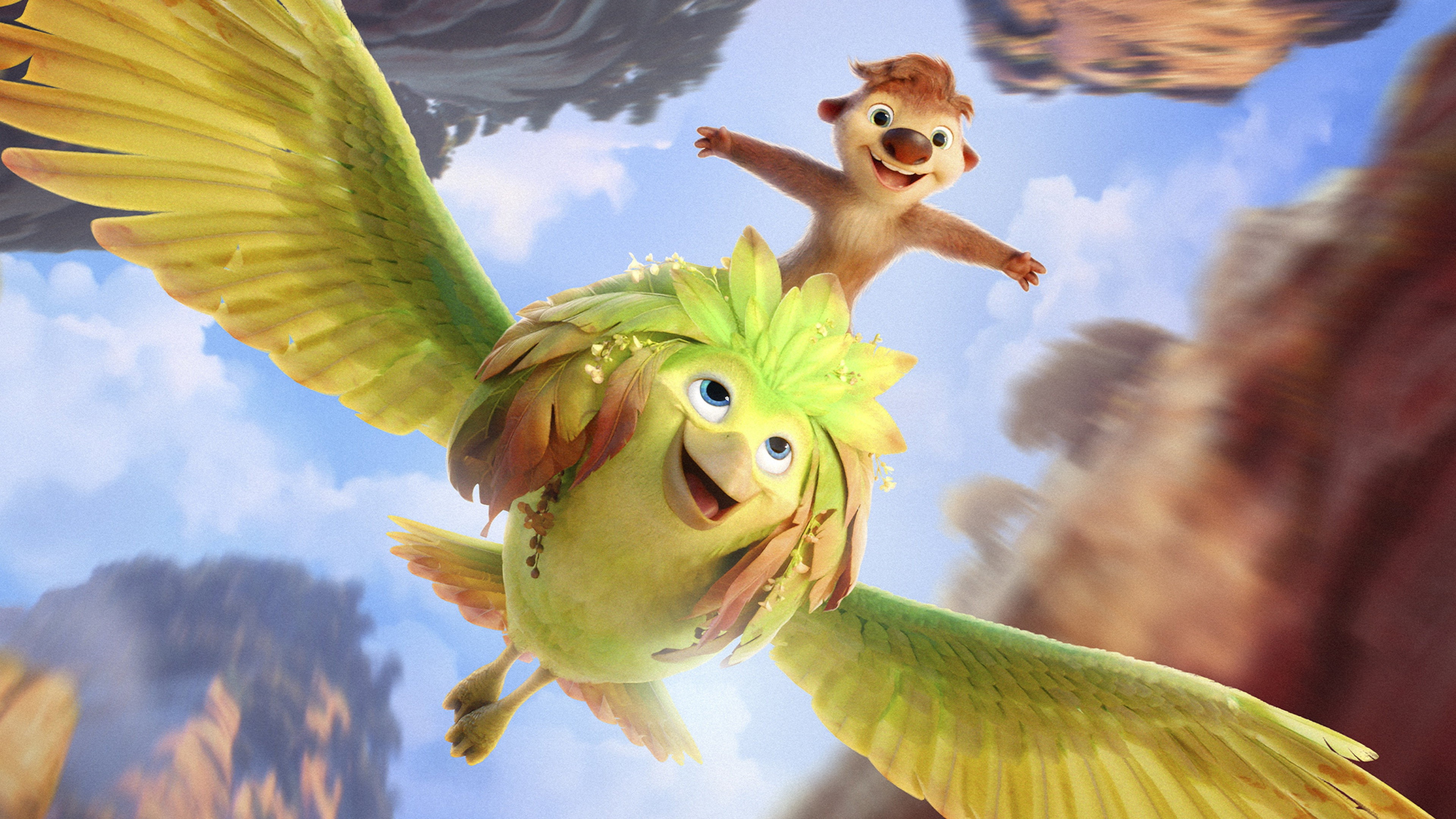
At the heart of the film’s enduring legacy is its sophisticated treatment of "Umwelt"—the unique sensory world experienced by a living organism. The narrative centers on the forced metaphysical exchange between a terrestrial woodland creature (the ground-dwelling, hyper-vigilant vole-like protagonist) and a majestic predatory raptor. Historically, cinema has treated animal adversaries through the lens of binary conflict. Swapped, however, utilizes its magical premise to explore the dissolution of the ego. By forcing these natural enemies to inhabit one another’s physical realities, the film crafts an eloquent thesis on radical empathy.
This thematic depth is amplified by the looming "greater threat" to their shared valley—a thinly veiled allegory for the Anthropocene and industrial encroachment. The genius of the screenplay lies in its refusal to offer easy moralizing. The salvation of the Valley is not achieved through conquest, but through the synthesis of disparate perspectives. The bird, trapped in a fragile, earthbound vessel, learns the terrifying vulnerability of the forest floor; the rodent, thrust into the heavens, must master the terrifying, weightless expanse of the sky. This mutual surrender of identity becomes the ultimate weapon against ecological collapse, a theme that resonates even more urgently today than it did during the film's initial release.
The Virtual Camera and the Tactile Sublime
Perhaps the most remarkable aspect of Swapped is how its cinematography continues to set the standard for digital and virtual filmmaking. Cinematographer Elena Rostova utilized pioneering macro-lensing techniques and dynamic virtual cameras that redefined the spatial grammar of cinema. Today, the film’s visual language holds up spectacularly, avoiding the sterile, dated look of many late-2020s CGI-heavy productions through its commitment to a "tactile sublime."
Before the swap, the camera work is sharply divided into two distinct visual vocabularies. The woodland creature’s world is shot with an oppressive, shallow depth of field, characterized by rich, earthy chiaroscuro, damp textures, and a frantic, handheld kineticism that mimics prey behavior. Conversely, the raptor’s domain is captured in sweeping, ultra-wide, high-frequency aerial shots, utilizing a cool, crystalline palette that emphasizes detachment and dominance. The moment of the metaphysical transition is a masterclass in visual editing and lighting design, as these two disparate aesthetics violently collide and fuse.
When the characters inhabit their new bodies, the camera brilliantly mirrors their somatic dissonance. We witness the raptor-minded rodent attempting to navigate the forest floor with a haughty, bird-like tilt of the head, captured in sweeping, low-angle tracking shots that feel ironically heroic. Meanwhile, the rodent-minded bird’s first attempt at flight is filmed with a dizzying, claustrophobic vertigo that remains one of the most thrilling sequences in modern cinema. This sophisticated alignment of camera movement with psychological state ensures the film's visual power remains undiminished.
A Monument of Modern Mythmaking
Ultimately, Swapped is far more than a technical showcase; it is a mythic text for the modern age. By marrying cutting-edge cinematography with a deeply philosophical narrative, Vance and Rostova created a work that challenges viewers to look beyond their own sensory horizons. It stands as a timeless reminder that survival is not a solitary pursuit, but a collaborative symphony played out across the delicate, shared ecosystems of our world.