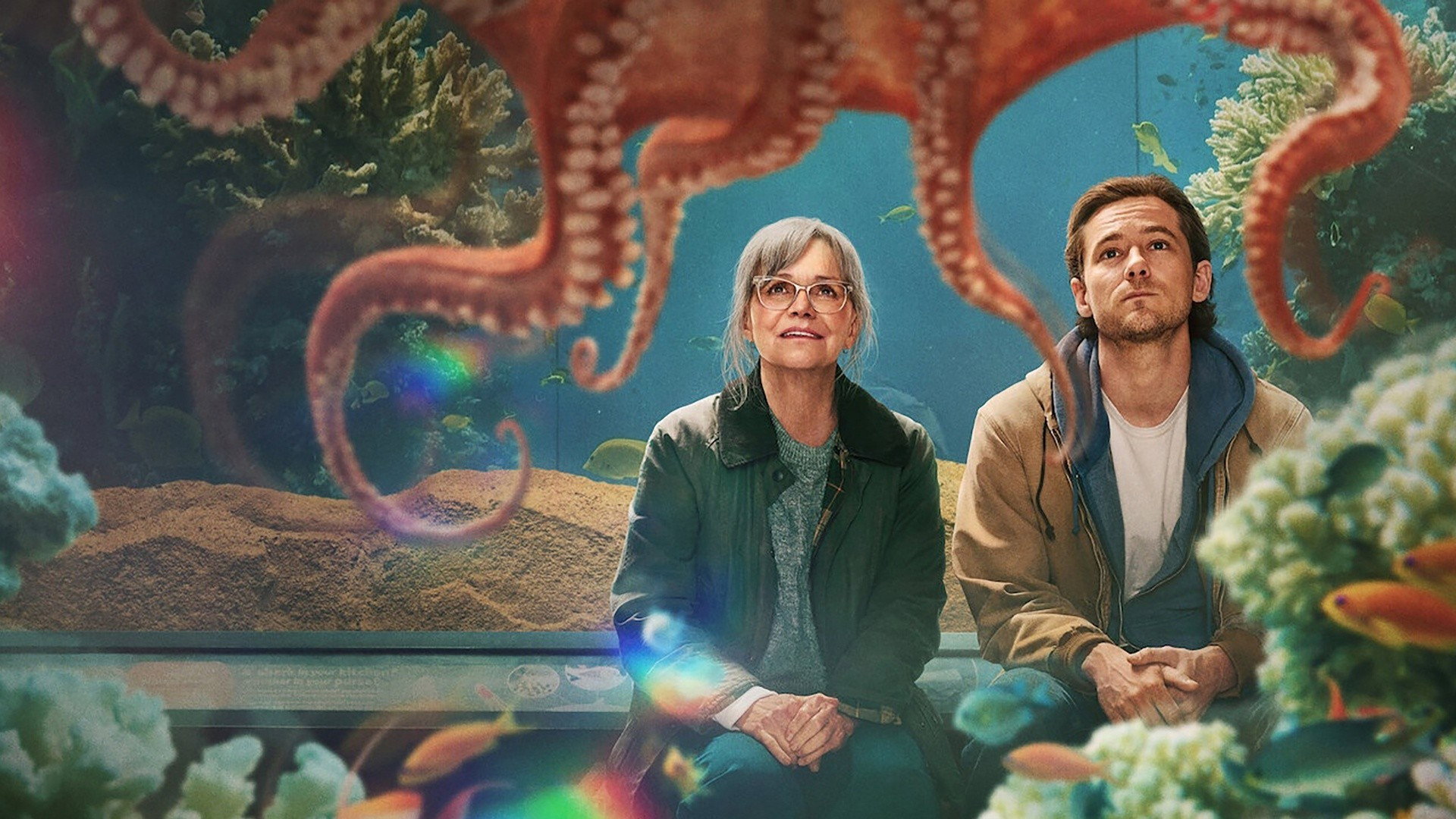
REMARKABLY BRIGHT CREATURES
Archive Entry No. 2026-PR
The Luminescent Solitude of *Remarkably Bright Creatures* (2026): A Retrospective
Released in the spring of 2026, Remarkably Bright Creatures arrived at a critical juncture in cinematic history. Emerging from an era dominated by sensory overload and hyper-kinetic digital spectacles, this quiet masterpiece directed its gaze inward, offering a profound meditation on grief, aging, and the unexpected conduits of grace. Decades after its premiere, the film stands as a towering achievement in humanist cinema, demonstrating how a narrative of intimate scale can possess cosmic resonance.
Thematic Resonance: Grief, Connection, and the Non-Human Other
At the heart of the film’s enduring legacy is its delicate exploration of existential isolation. Tova Sullivan, portrayed with a sublime, weathered dignity, represents the quiet tragedy of the left-behind. Her night shifts at the Sowell Bay Aquarium are not merely an occupation but a ritualistic purgatory where she scrubs away the dust of a life marked by profound loss—the unresolved disappearance of her son and the subsequent death of her husband.
The film’s narrative masterstroke, inherited from its literary origin, lies in the silent, transcendent communion between Tova and Marcellus, the giant Pacific octopus. What could have easily devolved into whimsical caricature is handled with rigorous intellectual honesty. The film treats Marcellus not as an anthropomorphized pet, but as an alien consciousness—a fellow captive observing the absurdities of human grief. Their bond becomes a philosophical inquiry into sentience and mutual recognition. Through this interspecies dialogue, the film posits that healing often requires us to look beyond our own species' solipsism, finding solace in the vast, mysterious intelligence of the natural world.
Visual Poetry: The Cinematography of the Deep
To analyze why *Remarkably Bright Creatures* holds up so spectacularly today is to examine its revolutionary visual grammar. The cinematography, lensed with a breathtaking sensitivity to light and shadow, avoids the sterile look of contemporary digital cinema. Instead, it embraces a rich, organic texture that feels almost tactile.
The filmmakers masterfully employ a palette of aquatic liminality. The aquarium at night is transformed into a sanctuary of deep indigos, muted teals, and amber glows. The contrast between the harsh, fluorescent reality of Tova’s domestic life and the ethereal, undulating light refracting through the water tanks creates a visual dichotomy of safety and sorrow. The camera movement is deliberately fluid, mimicking the slow, weightless drift of cephalopod motion. Close-up shots of Marcellus’s eye are rendered with astonishing macro-cinematography, capturing a depth of emotion that rivals any human actor. This visual choice forces the audience into a state of active contemplation, mirroring Tova’s own gaze into the abyss of the glass tanks.
Legacy: A Beacon of Quiet Cinema
In the decades since its release, the legacy of *Remarkably Bright Creatures* has only grown. It anticipated a broader cinematic movement toward "slow cinema" and ecological empathy, proving that audiences hungered for narratives grounded in quiet observation rather than relentless conflict. It challenged the industry's ageist paradigms by placing an elderly protagonist at the center of a redemptive arc, treating her interior life with the gravity usually reserved for tragic heroes.
Ultimately, the film remains a classic because it understands that wonder is not found in the grand gestures of the universe, but in the quiet corners of our shared existence. By illuminating the dark waters of grief with the soft glow of connection, *Remarkably Bright Creatures* continues to offer modern audiences a rare and necessary balm: the reminder that we are never truly alone in the deep.