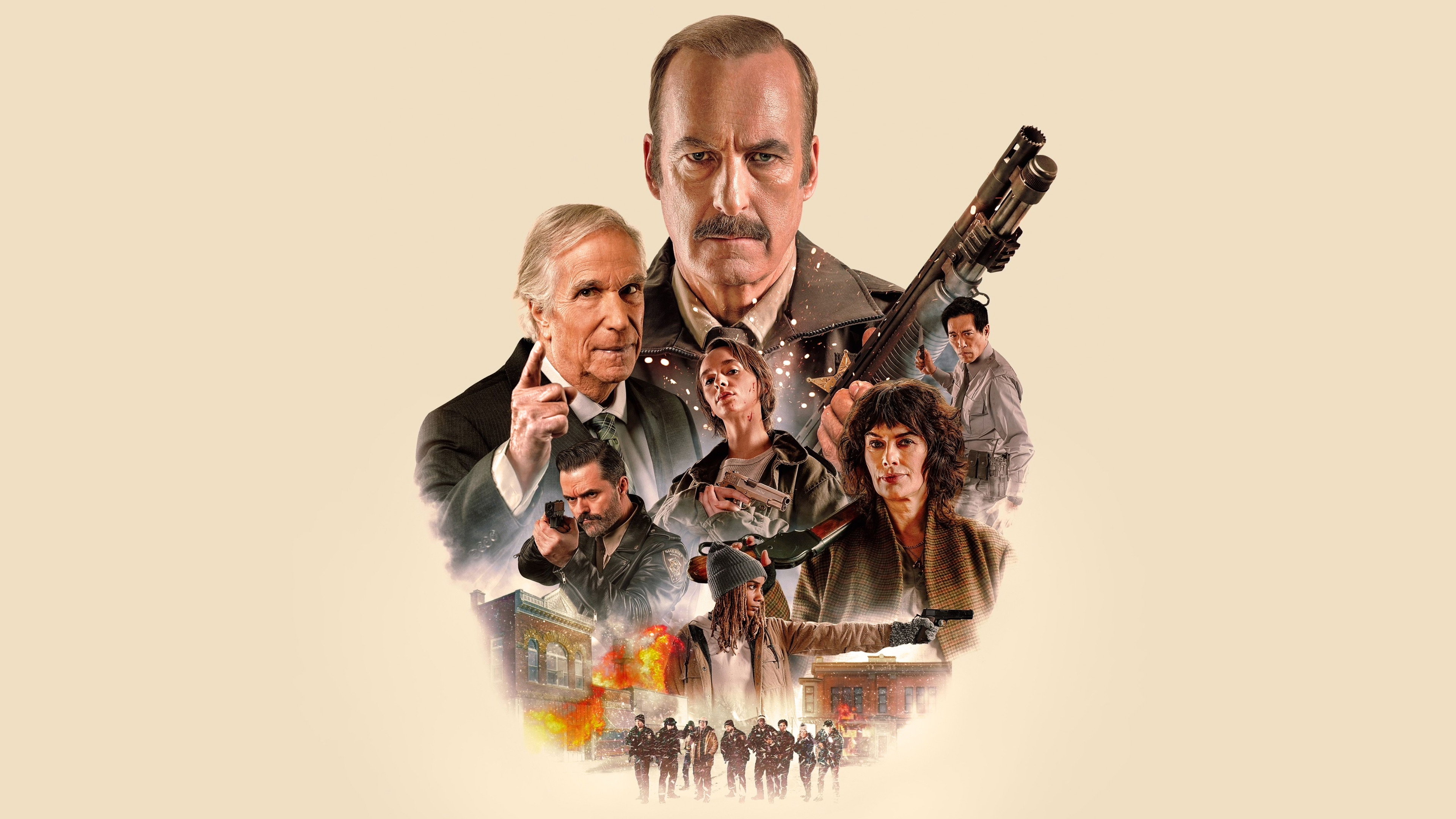
NORMAL
Archive Entry No. 2026-PR
The Anatomy of the Mundane: Anticipating *Normal* (2026)
In contemporary cinema, the word "normal" is rarely a description; it is a provocation. Scheduled for release on April 16, 2026, the upcoming thriller Normal arrives with a deceptively quiet premise that harbors the potential for a devastating genre disruption. By positioning a substitute lawman against the backdrop of a sleepy, insular town, the film positions itself within a rich lineage of rural neo-noirs, where the quietude of the American landscape serves as a fragile veneer over systemic rot. As an object of anticipation, *Normal* promises to be less about the preservation of order and more about the violent, inevitable collapse of a carefully constructed illusion.
Narrative Architecture and Elevated Expectations
The narrative engine of *Normal* relies on a classic, highly effective cinematic catalyst: the routine call-out gone wrong. However, the sophistication of the premise lies in its character dynamics. Our protagonist is not a seasoned, entrenched sheriff, but a substitute sheriff—a liminal figure who lacks the deep-rooted community ties of a local, yet bears the burden of authority. This temporary status immediately introduces a sense of displacement. When this outsider, burdened by a "troubled past," responds to a seemingly pedestrian bank robbery, the film sets up a compelling psychological parallel. The protagonist’s internal fractures are bound to mirror the external fractures of the town itself.
Audiences should expect a slow-burn escalation. The "explosive" revelation hinted at in the synopsis suggests that the bank robbery is merely a symptom of a much larger, more insidious disease. Rather than a straightforward heist thriller, *Normal* is poised to operate as a puzzle-box mystery, where every clue unpeeled by the protagonist forces him—and the audience—to confront the complicity of the town's quiet citizens.
Subverting the Neo-Western and Rural Noir
Genre-wise, *Normal* occupies the fertile ground where the neo-Western meets the conspiracy thriller. In recent years, films like *Hell or High Water* and *Wind River* have successfully utilized desolate or sleepy topographies to explore contemporary anxieties. *Normal* has the opportunity to push this subgenre forward by interrogating the very concept of "normalcy" in post-industrial or rural America.
The impact of the film will likely hinge on its visual and atmospheric execution. To subvert genre expectations, the director must resist the temptation of cheap jump-scares or kinetic action sequences, opting instead for a dread-soaked atmosphere. The contrast between the mundane duties of a substitute sheriff and the geopolitical or corporate conspiracy he uncovers could provide a stark, jarring aesthetic. If executed with a sharp, clinical lens, *Normal* could redefine the "small-town secret" trope, transforming it from a gothic cliché into a modern critique of institutional corruption.
Thematic Resonance: The Fragility of the Pastoral Myth
At its core, *Normal* is intellectually primed to tackle the erosion of the pastoral myth. The "sleepy town" is a sacred space in the American psyche—a symbol of safety, community, and moral clarity. By introducing an "explosive" element through a bank robbery, the film suggests that capitalistic greed and violence are not external threats, but internal realities already woven into the fabric of these communities.
Furthermore, the protagonist’s troubled past suggests a thematic exploration of trauma and redemption. Is the substitute sheriff seeking a quiet haven to escape his demons, only to find that peace is an impossibility? The film will likely argue that normalcy is not a natural state of being, but a strenuous act of suppression. What is uncovered in the wake of the robbery is not just a crime, but the return of the repressed—both for the town and its temporary protector.
The Analytical Prognosis
As we look toward its Spring 2026 release, *Normal* stands out as a highly anticipated intellectual thriller. Its success will depend on its willingness to embrace ambiguity and avoid easy moral resolutions. If the film can successfully marry its tense, procedural elements with a deep, philosophical inquiry into the nature of societal facades, it will not just be a gripping night at the theater—it will be a defining text on the anxieties of our time.