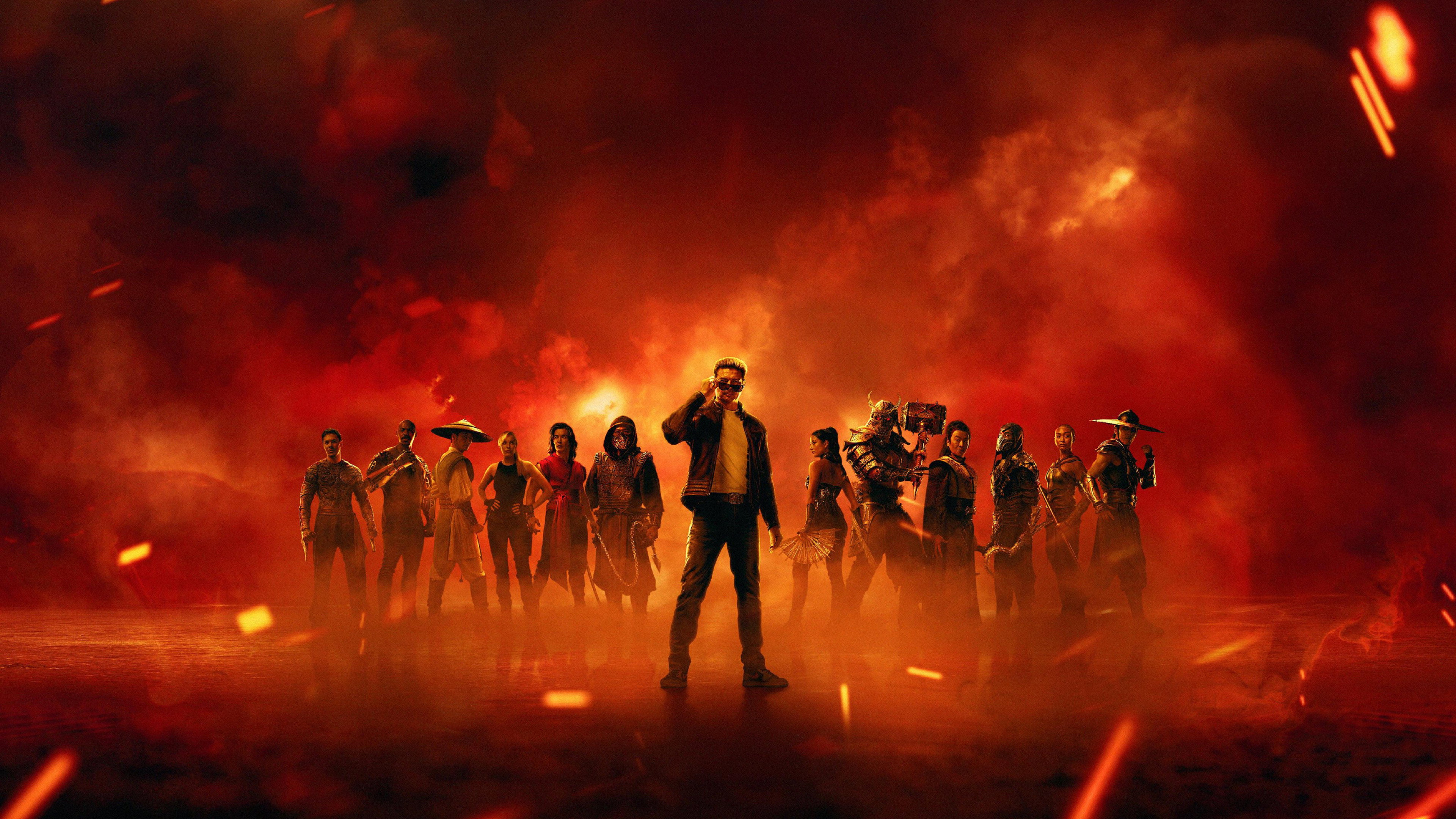
MORTAL KOMBAT II
Archive Entry No. 2026-PR
On the Horizon: The Visceral Mythos of Mortal Kombat II
As the landscape of blockbusters increasingly leans into serialized intellectual property, the anticipation surrounding the upcoming release of Mortal Kombat II (scheduled for May 6, 2026) represents a crucial juncture for modern action cinema. The 2021 predecessor re-established the franchise's cinematic viability by stripping away the camp of the 1990s iterations in favor of a gritty, lore-heavy foundation. With the sequel, the stakes are elevated from mere adaptation to a litmus test for the viability of high-concept, R-rated martial arts fantasy in a saturated market.
Expectations: The Meta-Textual Catalyst of Johnny Cage
The narrative premise promises a synthesis of fan service and structural expansion, most notably through the introduction of Johnny Cage. In the ecosystem of Mortal Kombat, Cage is not merely a combatant; he is a deconstructive tool. By inserting a self-aware, Hollywood action star into an existential, interdimensional conflict, the film possesses a built-in mechanism to critique its own grandiosity. Analysts expect Cage to serve as the audience surrogate, grounding the high fantasy of Earthrealm’s defense in a cynical, modern reality. The tension between his performative vanity and the grim reality of Shao Kahn’s tyrannical threat will likely dictate the film’s tonal balance, shifting it from a straightforward battle royale to a more layered exploration of heroism under the spotlight.
Genre Impact: Elevating the Cinema of Cruelty
Historically, video game adaptations have struggled with the translation of interactive mechanics to passive spectatorship. Mortal Kombat II confronts this challenge by leaning into its signature element: uncompromising, visceral violence. However, from a critical perspective, the impact of this "no-holds-barred, gory battle" extends beyond mere shock value. The sequel has the potential to redefine the aesthetic of the R-rated action blockbuster. By treating martial arts choreography with the reverence of operatic tragedy, and the "fatalities" as grand guignol spectacles, the film can bridge the gap between low-art exploitation and high-concept action design. If successful, it will solidify a trend where hyper-violence is not a detractor, but a stylized, narrative punctuation mark, influencing how physical combat is shot and edited in Western cinema.
Potential Themes: Existential Hegemony and the Burden of Legacy
Beneath the blood-splattered exterior lies a rich tapestry of thematic inquiry. The threat of Shao Kahn introduces the classic philosophical struggle against authoritarian hegemony. Kahn represents absolute, consuming power—an empire that assimilates cultures and erases realms. Opposing this is a disparate coalition of Earthrealm champions. This dynamic allows the film to explore the theme of collective resistance versus individual ego. The champions are "pitted against one another," suggesting that the path to salvation requires surviving internal friction before confronting external tyranny. Furthermore, the film will likely grapple with the burden of destiny; these characters are bound by cosmic rules to fight in a tournament they did not design, raising questions about free will in a universe governed by elder gods.
The Analytical Verdict
Ultimately, Mortal Kombat II sits high on the industry radar because it represents the zenith of contemporary genre hybridization. It is simultaneously a nostalgic tribute, a martial arts showcase, and a dark fantasy epic. By balancing the visceral demands of its core demographic with a sophisticated narrative framework, the film is poised to be more than a sequel; it could very well be the definitive statement on how modern cinema translates the interactive thrill of the arcade into a compelling, mythic experience.