MICHAEL
Archive Entry No. 2026-PR
The Iconography of the King: Anticipating Antoine Fuqua’s Michael
Few figures in modern cultural history command the labyrinthine complexity of Michael Jackson. To attempt a cinematic rendering of his life is to step into a tempest of unparalleled artistic genius, unprecedented global celebrity, and profound, polarizing controversy. Scheduled for release on April 22, 2026, Antoine Fuqua’s Michael arrives not merely as another entry in the saturated landscape of musical biopics, but as a high-stakes cultural event. The film promises to chart Jackson’s trajectory from the precocious prodigy of the Jackson 5 to the singular architect of modern pop music, ostensibly balancing his legendary stagecraft with an intimate exploration of his off-stage existence. For film analysts and cultural critics alike, the anticipation surrounding this project is defined by a singular question: can a mainstream biopic successfully navigate the chasm between the myth and the man?
The Tightrope of Hagiography vs. Psychological Realism
The primary expectation weighing upon the film is how it will negotiate its subject's deeply contested legacy. The production, backed by the Jackson estate, carries the inherent risk of hagiography—a sanitized, celebratory portrait that prioritizes myth-making over psychological complexity. However, for the film to achieve genuine artistic merit, it must delve into the friction between Jackson’s public triumphs and his private tribulations. The "relentless pursuit to become the biggest entertainer in the world," as noted in the film’s overview, suggests a narrative driven by ambition, but the cost of that ambition is where the true dramatic tension lies. Audiences will expect more than a sequence of meticulously recreated music videos; they will demand an interrogation of the isolation, the intense familial pressures, and the psychological fragmentation that accompanied his meteoric rise.
Elevating the Musical Biopic Genre
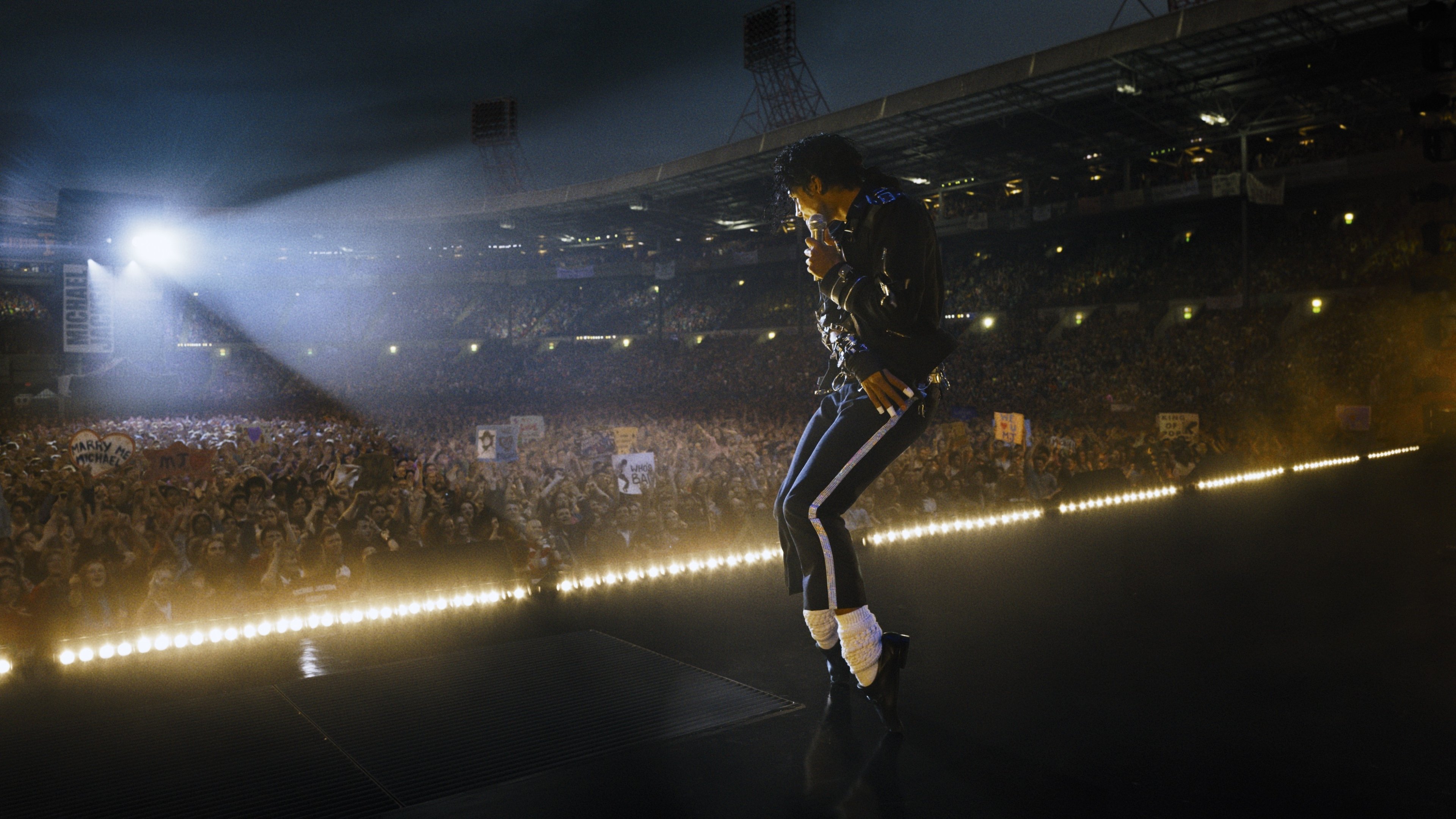
In recent years, the musical biopic has oscillated between formulaic crowd-pleasers and more stylized, impressionistic portraits. This film has the potential to redefine the genre's parameters. Given the sheer scale of Jackson's influence on visual media—essentially pioneering the modern music video format—the film’s aesthetic language must be as revolutionary as its subject. Director Antoine Fuqua, known for his visceral action and gritty character studies, is an intriguing choice. His direction, coupled with the cinematography of Oscar-winner Dion Beebe, suggests a film that will eschew glossy nostalgia in favor of a dynamic, visually arresting experience. The challenge will be integrating the ecstatic energy of Jackson’s iconic performances with a somber, cinematic realism that grounds his off-stage life.
Thematic Currents: The Panopticon of Fame and the Lost Childhood
At its core, the film is poised to explore several rich thematic veins. Chief among these is the tragedy of arrested development. Thrust into the spotlight as a child, Jackson’s life was defined by a perpetual search for the childhood he was denied. The film’s focus on his early solo career offers a fertile ground to examine this transition from childhood commodity to autonomous creator. Furthermore, the film can serve as a profound study of the panopticon of modern celebrity. Jackson was perhaps the first artist to exist entirely under the microscopic gaze of a globalized media apparatus. His life off-stage was not merely private; it was a contested territory scrutinized by millions. If the screenplay can intellectualize this dynamic, the movie will transcend the boundaries of a standard biopic to become a searing critique of the machinery of fame.
The Verdict of 2026
Ultimately, the anticipation for this project is charged with a sense of inevitability and apprehension. It is a film destined for immense commercial success, but its critical legacy will depend entirely on its courage. If Fuqua and his team can deliver a portrait that honors Jackson’s unparalleled artistic vision while refusing to shy away from the haunting complexities of his humanity, it could stand as a landmark achievement in biographical cinema. It is a narrative of a visionary who reshaped the world, only to find himself increasingly alienated from it—a modern tragedy waiting to be told on the grandest scale possible.