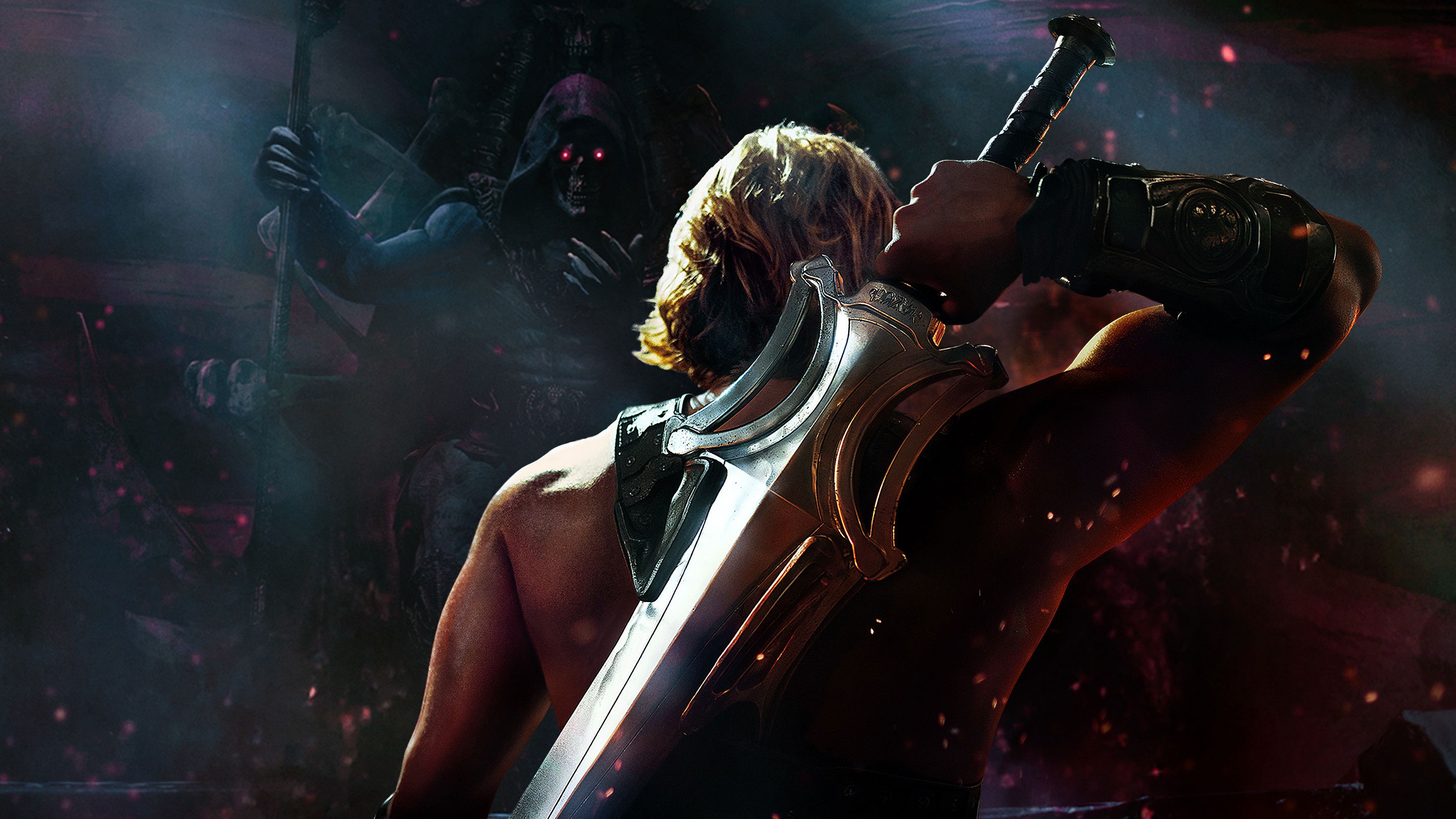
MASTERS OF THE UNIVERSE
Archive Entry No. 2026-PR
The Mythic Return: Anticipating the Resurrection of Eternia
When Masters of the Universe arrives in theaters on June 3, 2026, it will carry a burden far heavier than the expectations of a standard summer blockbuster. For decades, the intellectual property has oscillated between beloved toy-line nostalgia and campy cult curiosity. However, the newly unveiled premise suggests a narrative pivot toward a more solemn, high-stakes epic. By centering the narrative on a fifteen-year separation and a shattered homeland, this iteration promises to transcend its plastic origins, offering instead a sophisticated exploration of exile, legacy, and the heavy crown of destiny.
The Psychology of Exile and the Burden of Destiny
At the heart of this anticipation is the thematic weight of Prince Adam’s fifteen-year absence. This is no longer a simple coming-of-age story; it is a narrative of displacement and reclamation. Returning to an Eternia subjugated by Skeletor reframes the conflict from a binary battle of good versus evil into a profound meditation on trauma and systemic collapse. Adam’s journey is not merely about claiming power, but about confronting the guilt of absence. The Sword of Power serves as a potent metaphor for deterministic responsibility. It is an artifact that does not just grant agency, but demands it, forcing a displaced prince to reconcile his fractured identity with the mythic archetype of He-Man. This psychological friction between the vulnerable man and the infallible god-figure could elevate the film into a compelling character study, reminiscent of classical Greek tragedies where heroism is both a gift and a curse.
Redefining the Science-Fantasy Synthesis
From a genre perspective, Masters of the Universe occupies a unique, highly volatile intersection of high fantasy and retro-futuristic science fiction. Historically, cinema has struggled to balance these elements without slipping into aesthetic incoherence. However, in a post-Dune cinematic landscape, audiences are primed for complex, world-building tapestries that treat bizarre mythologies with absolute sincerity. The film has the potential to redefine this hybrid genre. By contrasting the ancient, esoteric magic of Castle Grayskull with the advanced, technocratic warfare of Duncan (Man-At-Arms), the film can explore the philosophical tension between nature, magic, and technological progress. If the filmmakers lean into a gritty, tactile realism—where the fantastical elements feel lived-in and culturally grounded—they could establish a new visual and thematic benchmark for science-fantasy cinema.
Navigating Nostalgia: The Critical Expectations
The ultimate success of the film will hinge on its ability to navigate the treacherous waters of modern nostalgia. Today's audiences are fatigued by self-referential irony; there is a growing hunger for sincere, unironic myth-making. To resonate, Masters of the Universe must resist the urge to wink at the audience regarding its 1980s origins. Instead, by treating the triumvirate of Adam, Teela, and Duncan with psychological gravity, the film can recontextualize these archetypes for a contemporary era. The expectation is not for a campy romp, but for a sweeping, eschatological conflict that questions what it truly means to hold "the power." If it succeeds, the film will not only resurrect a franchise but will also demonstrate that even the most commercialized myths can be forged into profound cinematic art.