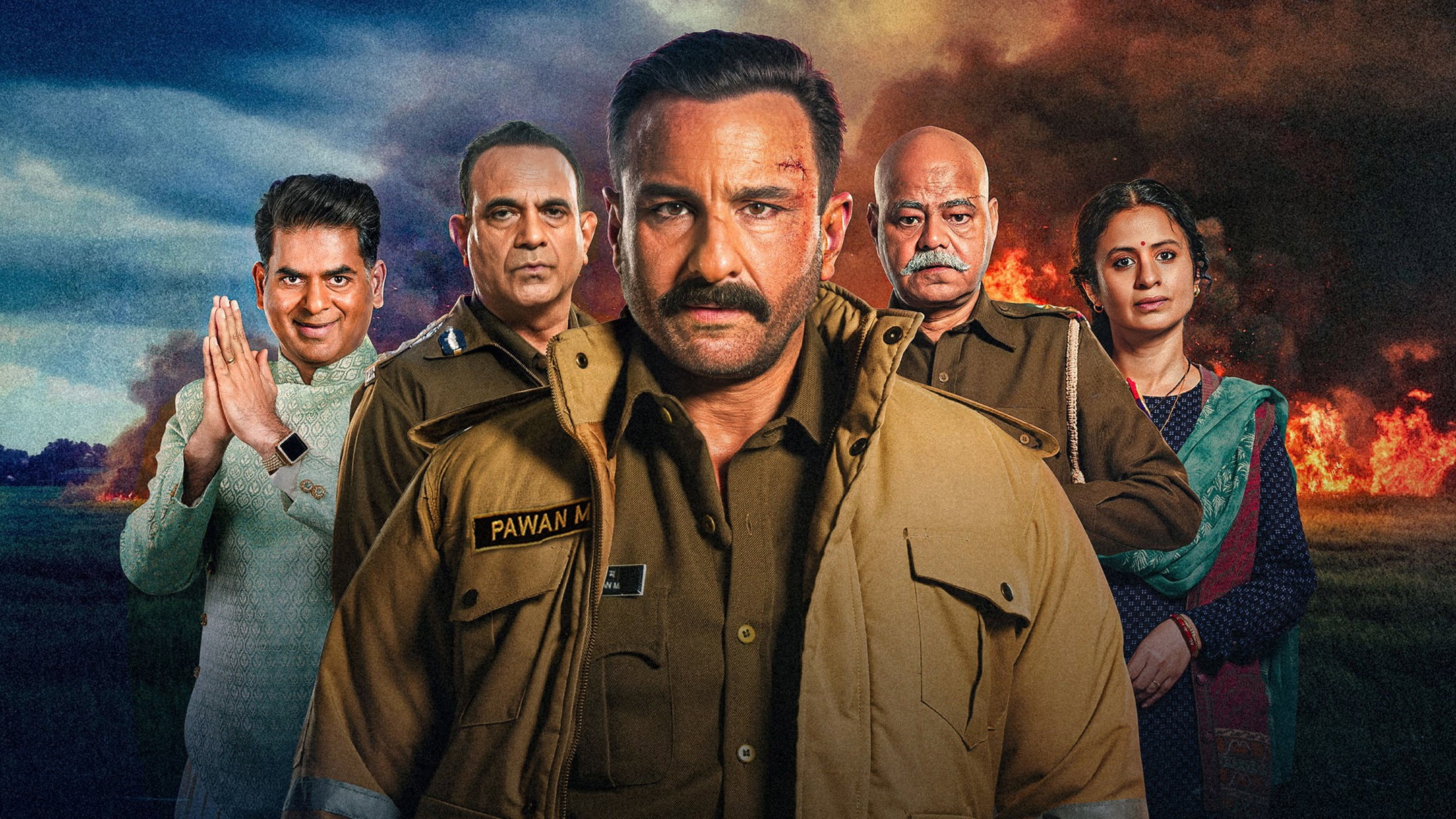
KARTAVYA
Archive Entry No. 2026-PR
The Crucible of Conscience: Why Kartavya is the Definitive Neo-Noir of Our Anxious Era
In an era where the boundary between institutional preservation and moral decay has worn paper-thin, director Amitav Sen’s Kartavya emerges not merely as a tense police procedural, but as a devastating autopsy of the modern soul. Released on May 15, 2026, the film arrives in theaters at a moment of acute cultural exhaustion, offering a cinematic mirror to our collective anxieties about safety, systemic rot, and the terrifying price of integrity. It is a film that demands to be experienced in the dark, communal space of a theater, where its suffocating atmosphere can fully envelope the audience.
A Symphony of Shadows and Claustrophobia
Cinematically, Kartavya is a triumph of sensory oppression. Cinematographer Priya Prasad eschews the glossy, high-contrast aesthetics of contemporary action cinema in favor of a bruised, low-key visual palette. The film is drenched in sickly sodium-vapor yellows, deep slate blues, and a chiaroscuro lighting scheme that suggests the characters are constantly being swallowed by their environments. Sen utilizes tight, anamorphic framing that keeps the camera hovering uncomfortably close to the protagonist, creating an almost physical sensation of claustrophobia. The sound design complements this visual trap; the ambient hum of a decaying city, the rhythmic, heartbeat-like thud of windshield wipers, and a minimalist, drone-heavy score by Alok Dev build a slow-burning tension that makes the theater seat feel like a pressure cooker. This is pure, visceral cinema that weaponizes the medium's formal elements to evoke a state of existential dread.
The Weight of the Badge: Performances of Quiet Desperation
At the heart of this atmospheric nightmare is a masterclass in minimalist acting. Kabir Mehta delivers a career-defining performance as Devansh, the embattled police officer caught in an impossible vice. Mehta eschews the histrionics typical of the genre, choosing instead to convey a lifetime of compromised ideals through the slump of his shoulders and the haunted, hyper-vigilant darting of his eyes. His portrayal of a man watching his domestic sanctuary collide with his professional hell is agonizingly subtle. Opposing him, Ananya Dutt provides a chillingly understated performance as the antagonist—not a mustache-twirling villain, but a cold, bureaucratic manifestation of systemic corruption. The chemistry between the leads is not explosive, but rather a quiet, gravitational pull toward an inevitable tragedy, highlighting the film's thesis that in a broken system, personal morality is a luxury few can afford.
The Erosion of the Social Contract
Beyond its formal brilliance, Kartavya is a work of profound cultural relevance. In 2026, society finds itself grappling with a pervasive distrust in public institutions and an escalating sense of individual vulnerability. The film’s central question—how far must one go to uphold a duty to a system that no longer protects its own?—strikes a raw nerve. Devansh’s descent into moral ambiguity is not born of ambition, but of desperation. It reflects a contemporary anxiety: the realization that the social contract is fraying, leaving the individual to navigate a lawless wilderness of survival. By forcing its protagonist to choose between the abstract concept of justice and the immediate, primal need to protect his family, the film interrogates the very utility of "duty" in a world that has abandoned its ethical anchors.
Verdict
Ultimately, Kartavya is a haunting, intellectual exercise wrapped in the skin of a thriller. It does not offer easy answers or comforting resolutions. Instead, it leaves the audience walking out of the theater into the night air, blinking against the streetlights, suddenly hyper-aware of the shadows stretching out around them.