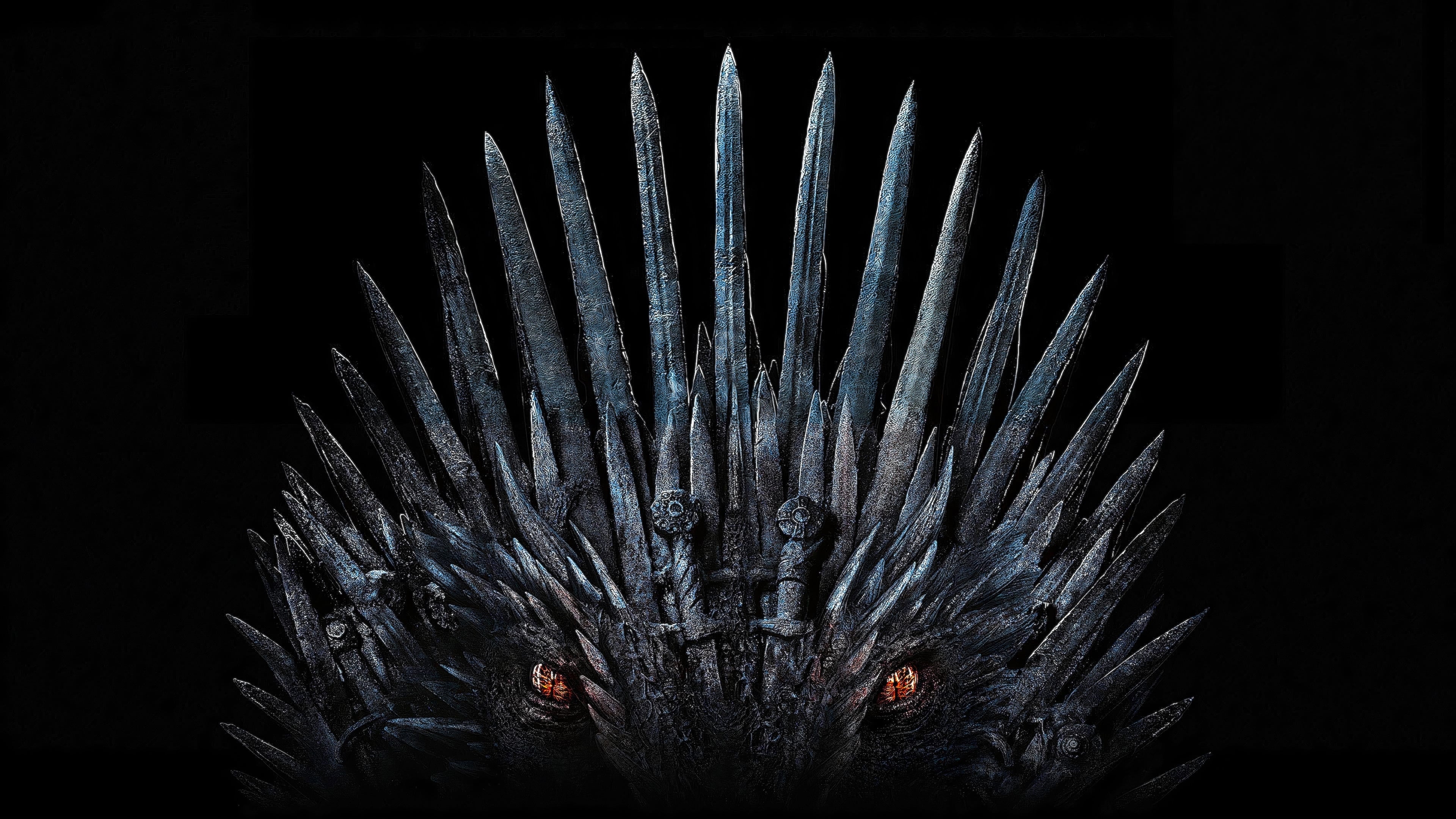
GAME OF THRONES
Archive Entry No. 2011-PR
The Anatomy of Power: A Critical Post-Mortem of Game of Thrones
When Game of Thrones premiered on April 17, 2011, it did not merely debut; it inaugurated a seismic shift in prestige television. Adapting George R.R. Martin’s dense literary tapestry, the series constructed a dark, cynical mirror of medieval history, challenging the romanticized tropes of high fantasy. At its zenith, it was a narrative colossus that interrogated the corrupting nature of authority, the weight of legacy, and the existential dread of human apathy in the face of annihilation.
Geopolitical Verisimilitude and Tactical World-Building
The triumph of the show’s world-building lies in its rigorous commitment to geopolitical verisimilitude. Westeros is not a static backdrop for heroic quests; it is a living ecosystem shaped by topography, resource scarcity, and historical grievances. The narrative brilliantly juxtaposes the warm, Machiavellian corridors of King’s Landing with the stark, austere isolation of the North. This geographic polarity dictates the psychology of its inhabitants. By grounding the fantastical elements—dragons and ice wights—within a framework of strict socio-political realism, the series forced the audience to accept the supernatural not as a whimsical escape, but as an existential crisis. The Wall, guarded by the tragic misfits of the Night’s Watch, stands as a monument to humanity's collective denial, separating petty mortal squabbles from the cold, indifferent reality of nature’s wrath.
The Subversion of the Monomyth and Tragic Character Arcs
At the heart of the series' critical acclaim was its ruthless deconstruction of traditional character archetypes. Game of Thrones rejected the binary moralism of classic fantasy, opting instead for a grey, Shakespearean psychological depth. Characters were defined by the friction between their internal desires and the rigid societal structures constraining them. The tragic trajectory of Daenerys Targaryen, whose messianic descent from liberator to tyrant serves as a devastating critique of imperialist savior complexes, remains a bold narrative choice. Similarly, the redemption arc of Jaime Lannister challenged viewers to find empathy for a monster, reminding them that human nature is rarely linear. The show’s willingness to execute its apparent protagonists established a universe of genuine stakes, where honor was a fatal liability and survival demanded moral compromise.
The Friction of Narrative Pacing: From Chess Match to Blitzkrieg
The structural evolution of Game of Thrones is a study in shifting narrative velocities. In its golden era, the pacing was a masterclass in deliberate, dialogue-driven tension. The narrative progressed like a grand chess match, where a whispered conversation in a dimly lit chamber carried more weight than a clash of armies. This slow-burn approach allowed the political stakes to simmer, making the sudden bursts of violence—such as the infamous Red Wedding—feel earned and catastrophic.
However, as the series outpaced its source material, the pacing underwent a radical, and ultimately polarizing, acceleration. The intricate web of cause and effect was sacrificed for cinematic spectacle and narrative expediency. Characters began to traverse vast geographical distances instantly, eroding the sense of scale that had made Westeros feel so immense. This compression of time in the final seasons highlighted the delicate balance required to sustain a narrative of such unprecedented scale, proving that even the most brilliant world-building can be undermined by rushed execution.
Conclusion
In retrospect, Game of Thrones remains a monumental, if flawed, masterpiece. It proved that television could match the cinematic grandeur of blockbuster cinema while maintaining the intellectual complexity of a literary epic. While its final chapters stumbled under the immense weight of their own momentum, the series' legacy as a profound exploration of power, survival, and the human condition is secure. It was a cultural phenomenon that redefined what the medium could achieve.