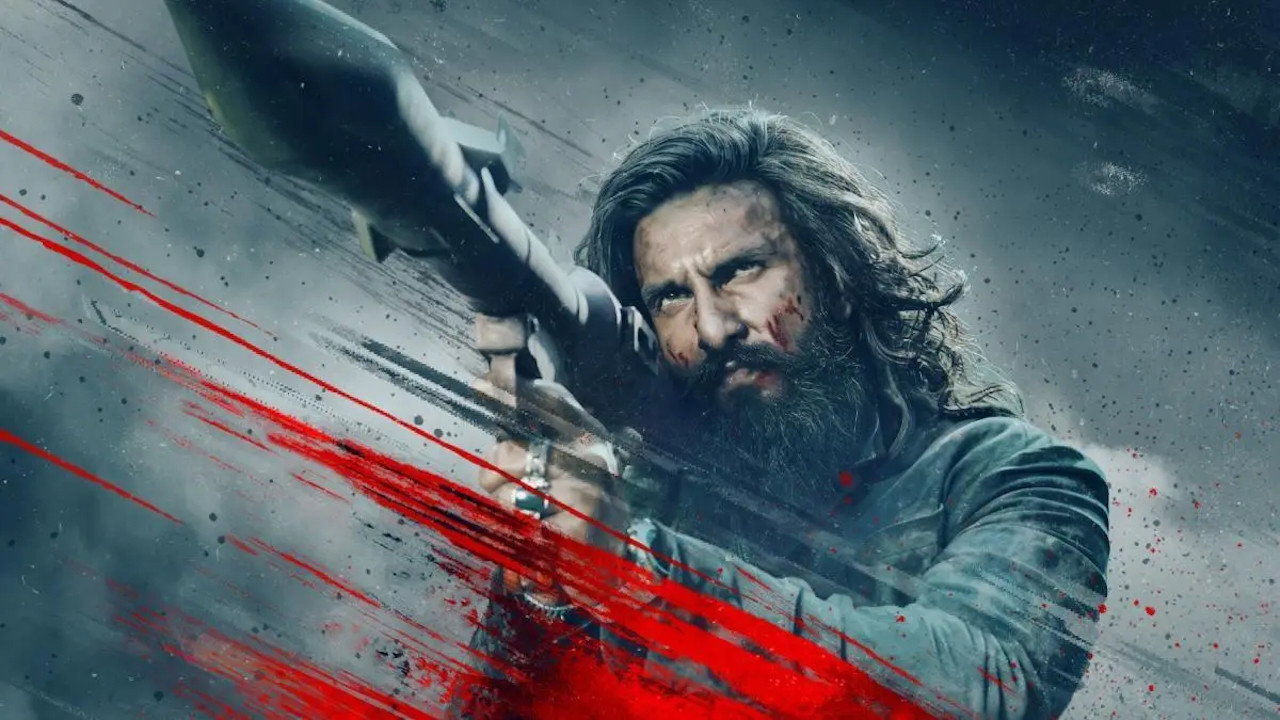
DHURANDHAR: THE REVENGE
Archive Entry No. 2026-PR
The Abyss of Patriotism: A Brutal, Brilliant Descent in 'Dhurandhar: The Revenge'
Released into theaters on March 18, 2026, director **Zia Mandviwalla’s** Dhurandhar: The Revenge is far more than a conventional political thriller; it is a suffocating, kinetic descent into the moral vacuum of state-sanctioned violence. Set against the labyrinthine, blood-soaked alleyways of Lyari, the film strips away the glossy myth of the righteous soldier, leaving behind a raw, visceral post-mortem of nationalism. It is a cinematic crucible that demands we watch the slow, agonizing transformation of a patriot into a monster, offering no easy redemptions or comforting platitudes.
A Claustrophobic Symphony of Dust and Blood
The cinematic experience of Dhurandhar is defined by its relentless, claustrophobic geography. Mandviwalla, alongside cinematographer **Arjun Sanyal**, treats the historic Karachi neighborhood of Lyari not as a mere backdrop, but as an active, breathing antagonist. The camera navigates the sun-bleached, concrete corridors with a restless, hand-held anxiety, capturing the sweat, the peeling plaster, and the sudden, explosive bursts of violence with terrifying intimacy. Through a masterful use of chiaroscuro lighting and a muted, dust-choked color palette, the film evokes a perpetual twilight—a visual metaphor for the protagonist’s decaying morality. The sound design is equally oppressive; the ambient hum of the city is constantly punctured by the metallic clatter of automatic gunfire and a haunting, discordant score that mirrors Hamza’s fracturing psyche. This is sensory cinema at its most demanding, refusing to offer the audience the clean, stylized choreography of typical action fare.
The Anatomy of Ruin: Performances of Haunting Intensity
At the beating, bruised heart of this tragedy is **Ahad Raza Mir** in the role of Hamza. Mir delivers a career-defining performance of astonishing physical and emotional elasticity. He portrays Hamza’s descent not as a sudden dramatic pivot, but as a slow, agonizing erosion of the soul. The tragedy lies in his eyes; we watch the light of idealistic patriotism gradually extinguished, replaced by the hollow, dead-eyed stare of a man who has looked too long into the abyss. Opposing him is the veteran **Kay Kay Menon** as the chillingly pragmatic Major Iqbal. Menon plays Iqbal with a terrifying, quiet restraint. He is the bureaucratic face of cruelty—a man who sanitizes atrocity with the language of national security and utilitarian necessity. The ideological chess match between Mir and Menon provides the film with its most electric, dialogue-driven tension, elevating the narrative from a simple tale of vengeance into a profound philosophical debate on the cost of statecraft.
The Monster in the Mirror: Cultural Resonance in 2026
What elevates Dhurandhar: The Revenge from a superb genre exercise to an essential cultural document is its biting contemporary relevance. In an era increasingly defined by hyper-nationalism, militarized policing, and the systemic abandonment of marginalized urban spaces, the film acts as a mirror to our collective anxieties. Lyari, with its history of gang warfare and state neglect, becomes a microcosm of the modern world’s proxy battlegrounds. The film boldly interrogates the cost of "peace" and who is forced to pay for it. By dismantling the binary of the heroic defender and the villainous insurgent, Mandviwalla forces the viewer to confront an uncomfortable truth: when the state adopts the tactics of the monster to fight the monster, the distinction between the two ceases to exist. It is a timely, urgent warning against the seductive lie of redemptive violence.
Verdict: A Masterpiece of Uncompromising Vision
Ultimately, Dhurandhar: The Revenge is a triumph of uncompromising filmmaking. It is a grueling, intellectually rigorous experience that lingers long after the house lights come up. By fusing the visceral thrills of a political thriller with the existential weight of a Greek tragedy, it challenges the very nature of modern action cinema. It is not an easy watch, but in 2026, it is an absolutely vital one.